

The auto industry is a fascinating world with a rich history of innovation, engineering triumphs, and unforgettable designs. However, amidst these achievements, there are cars that, for one reason or another, received a bad rap.
Upon closer inspection, some of these vehicles deliver much more than they were given credit for. Buckle up as we take a journey through 15 cars that were universally hated, but definitely deserved better.
AMC Pacer
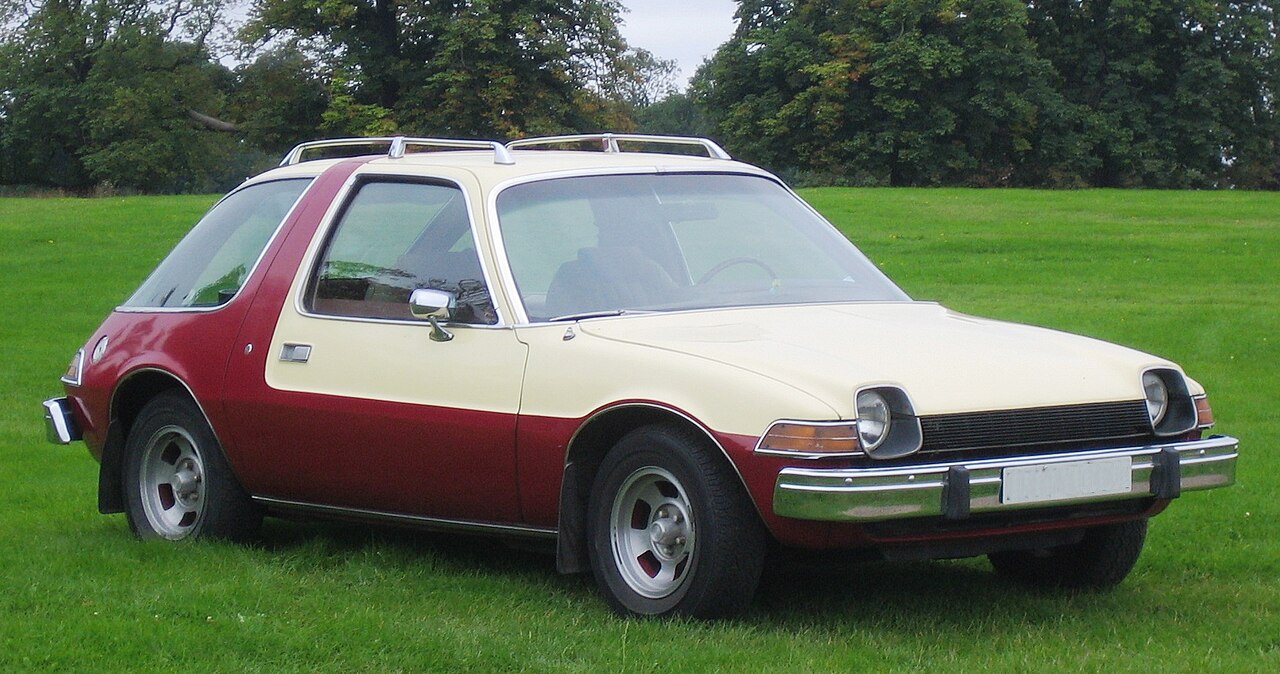
The AMC Pacer was initially criticized for its odd look and was even humorously referred to as the “fishbowl on wheels.” However, its unconventional design was actually ahead of its time.
The Pacer was one of the first cars designed with safety in mind, offering increased visibility with its large glass area and wider passenger space. It might not have won any beauty contests, but it was a pioneering vehicle that deserved more recognition.
Chevrolet Vega
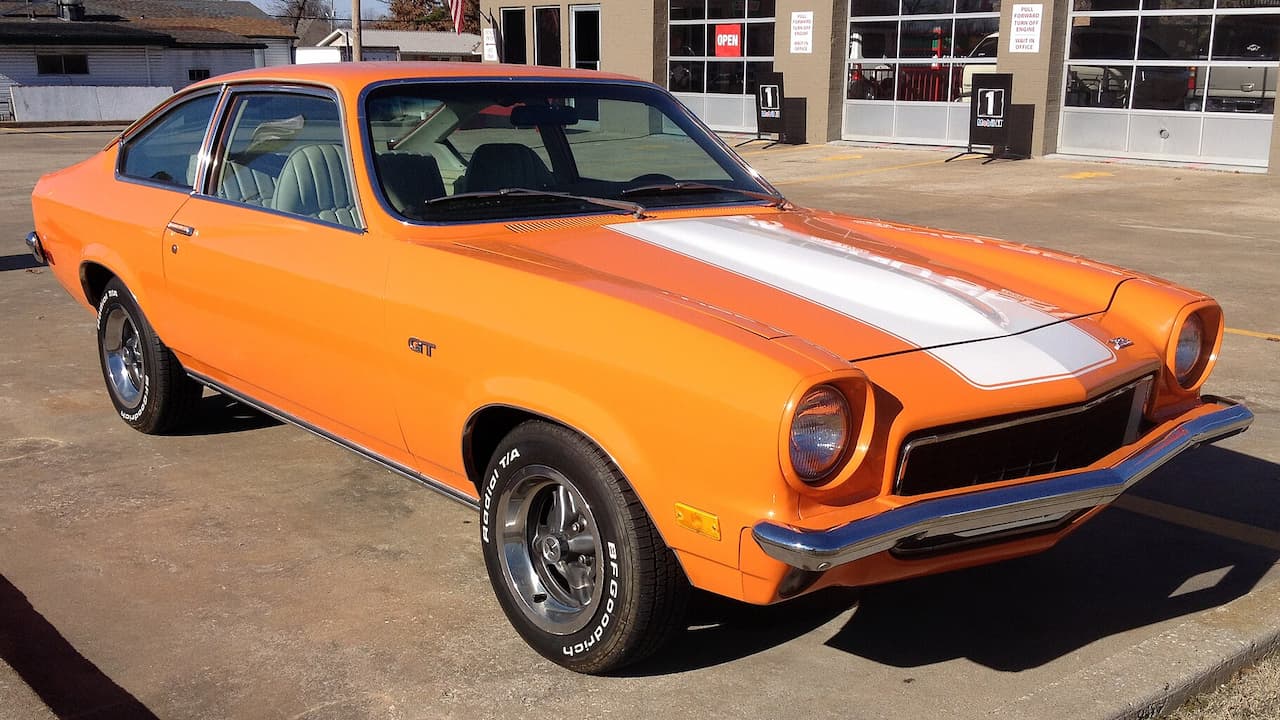
The Chevrolet Vega was plagued with reliability issues from the start, but it wasn’t all bad. The Vega had a sleek design and was praised for its handling and performance.
It was also one of the first cars to be built using a completely automated assembly line, paving the way for modern manufacturing processes.
Ford Pinto
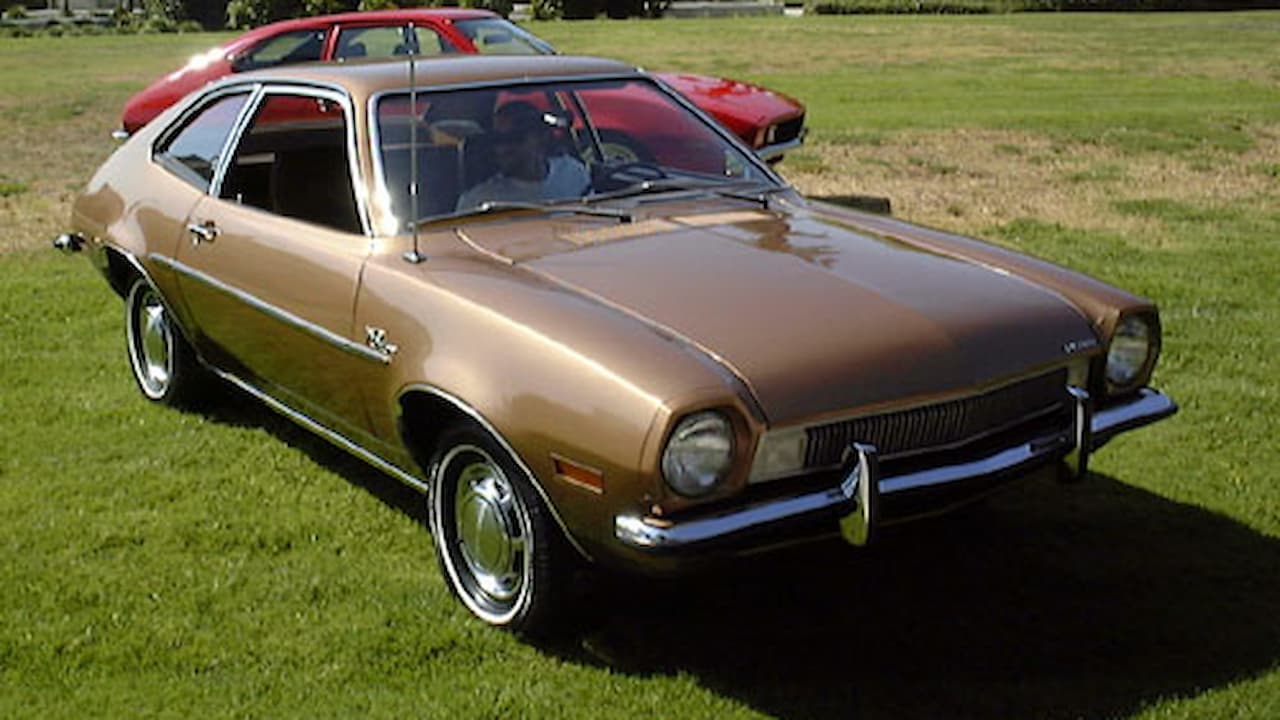
The Ford Pinto’s reputation was tarnished by a design flaw that made it prone to catching fire in rear-end collisions. However, it was an affordable and economical option during the 1970s oil crisis.
The Pinto was also the first subcompact vehicle produced by Ford in the U.S., making it a notable entry in the company’s history.
Pontiac Aztek

The Pontiac Aztek was universally panned for its polarizing design. Some even consider it the ugliest car ever made. Despite the criticism, the Aztek was a pioneer in the crossover SUV market.
Its versatile design offered a range of features like a removable cooler and a built-in tent, making it ideal for outdoor enthusiasts.
Yugo GV
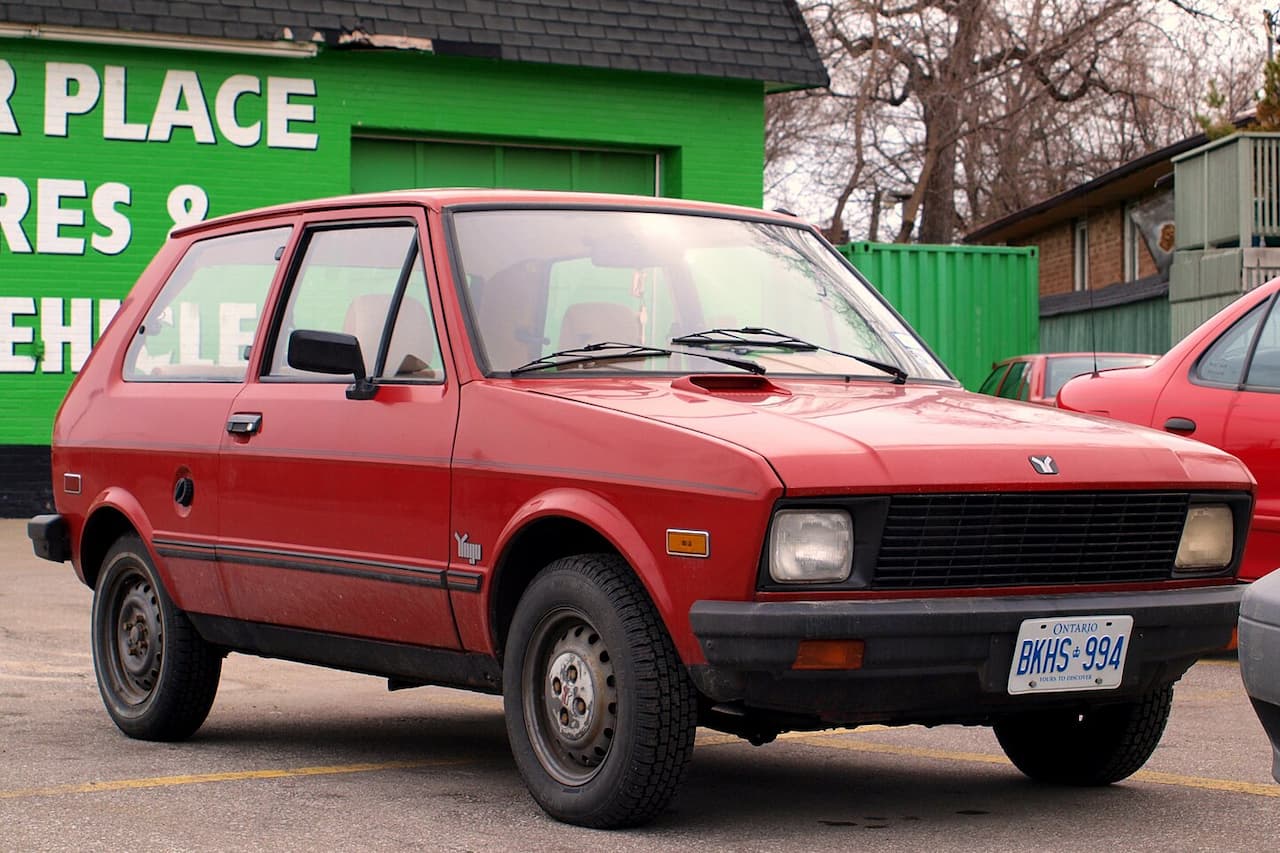
The Yugo GV was often mocked for its poor quality and performance. However, it was one of the most affordable cars on the market during its time.
This tiny car was a symbol of Yugoslavia’s auto industry and remains a cult classic among car enthusiasts.
Dodge Caliber
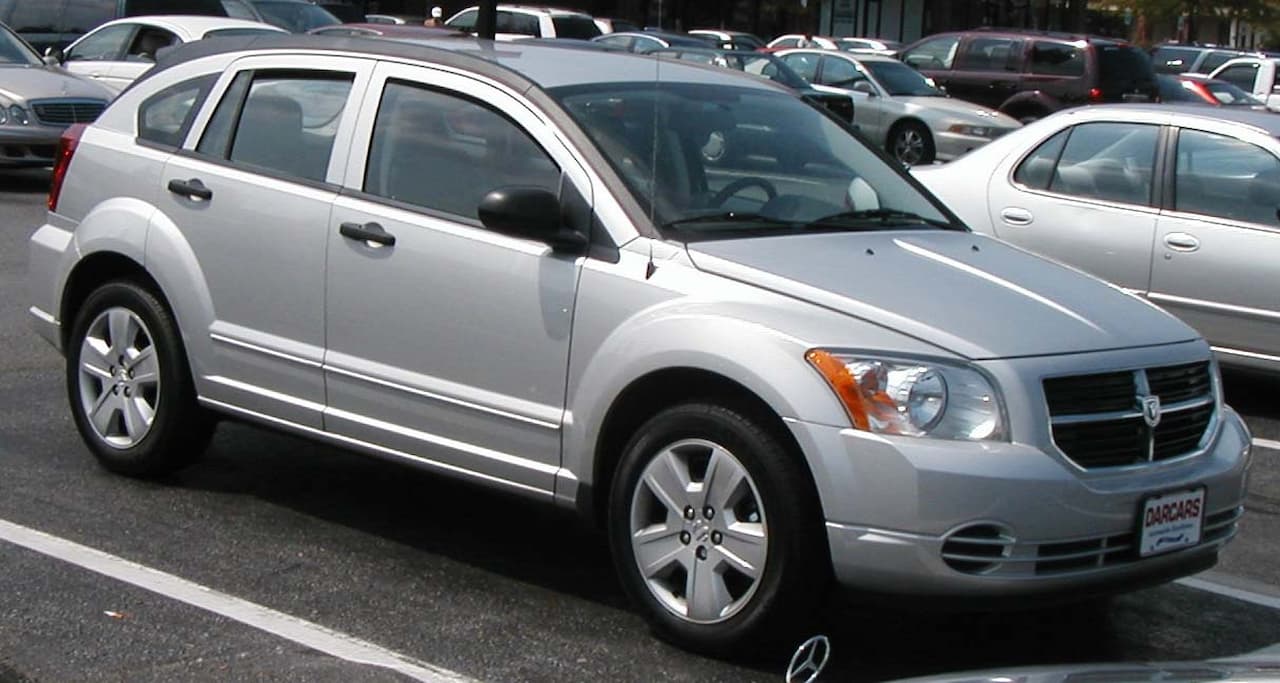
Critics of the Dodge Caliber often point out its low-quality interior and lackluster performance. Despite this, the Caliber offered a versatile compact design with a lot of interior space.
It was also one of the first Dodge vehicles to use a continuously variable transmission (CVT), which contributes to improved gas mileage.
Chevrolet Corvair
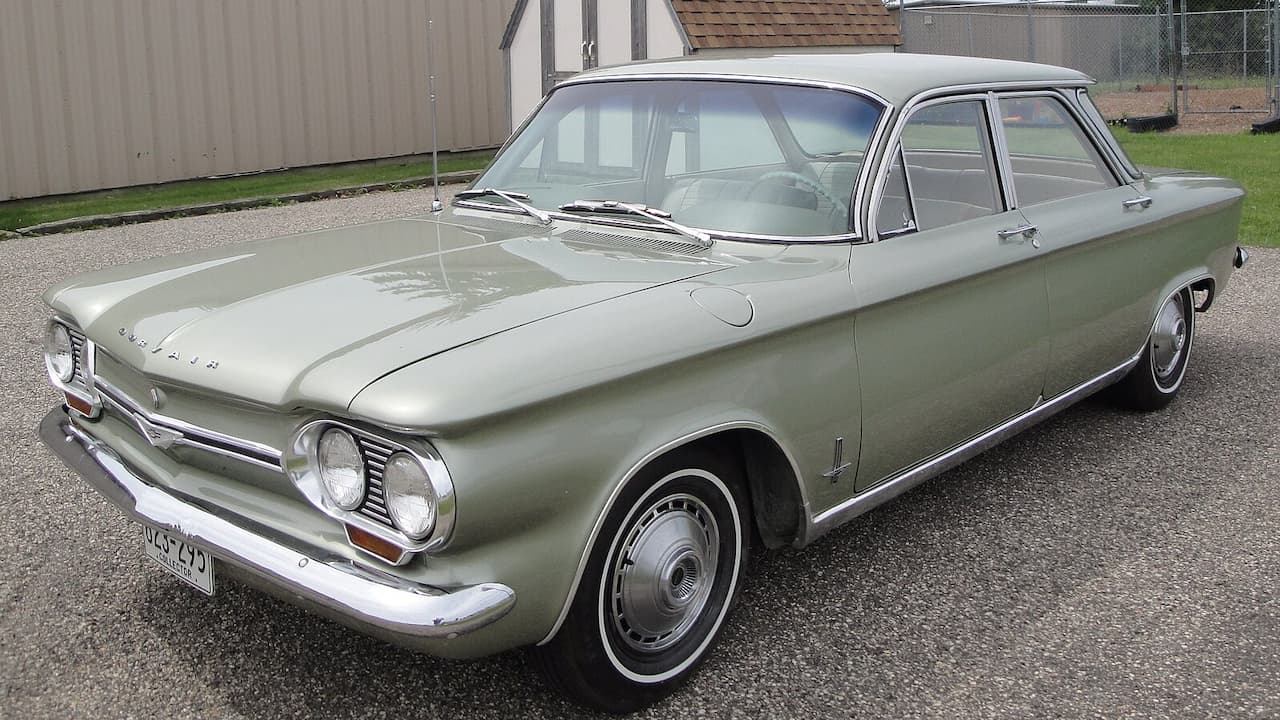
The Chevrolet Corvair was notoriously labeled as unsafe at any speed by consumer advocate Ralph Nader. Yet, it was an innovative car for its time.
The Corvair was the only mass-produced American car with a rear-mounted, air-cooled engine, and it offered a unique driving experience.
Suzuki X-90

The Suzuki X-90 was criticized for its unusual design and lack of practicality. However, it was a unique blend of a sports car and SUV.
The X-90 was one of the first cars to feature T-top removable roof panels, offering a convertible-like experience.
Chrysler PT Cruiser

The retro-styled Chrysler PT Cruiser was often ridiculed for its design. However, beneath its polarizing exterior, the PT Cruiser was a practical car with a spacious interior.
It also offered a unique blend of car and minivan characteristics, making it a versatile choice for families.
Fiat Multipla
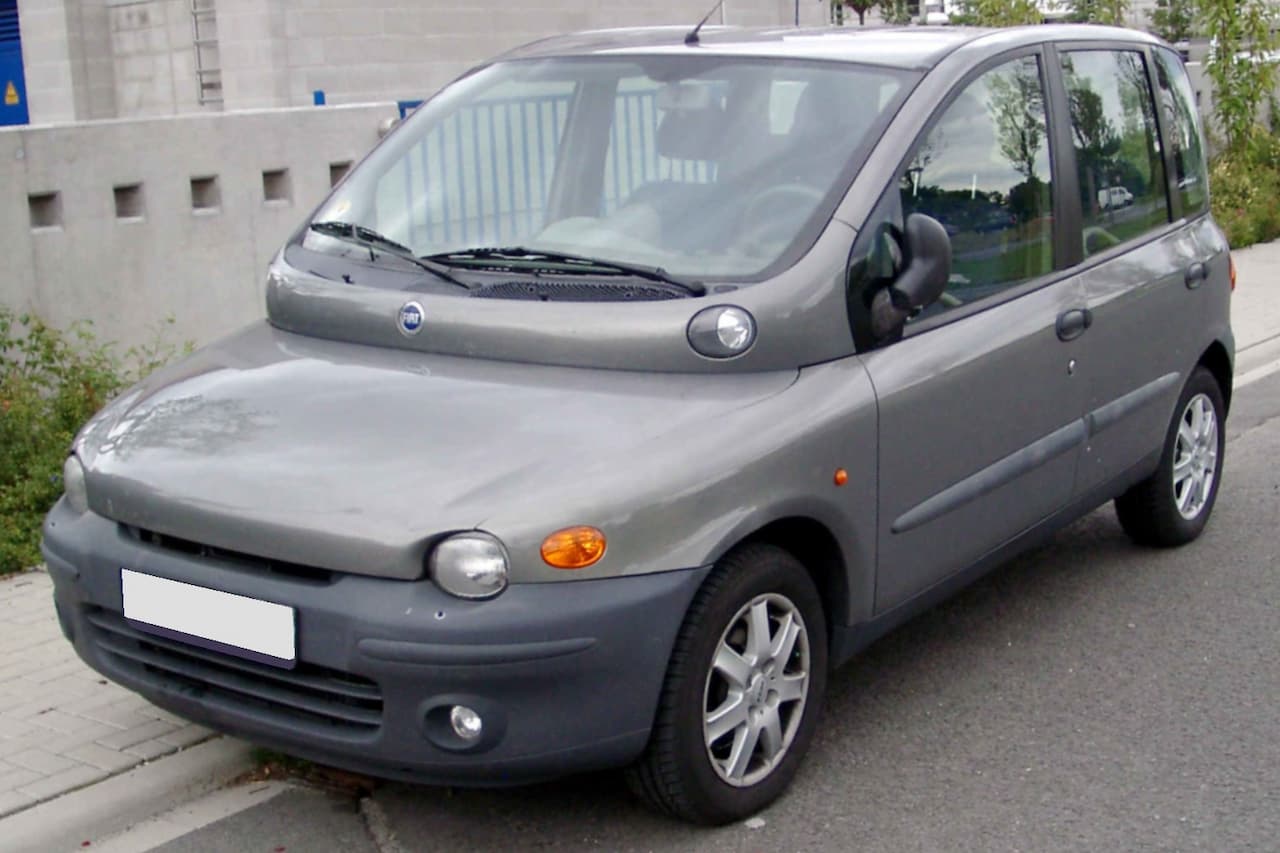
The Fiat Multipla was often the butt of jokes for its peculiar design. Yet, it was a remarkably practical car.
The Multipla offered seating for six people in a compact design, and its interior could be configured in several ways to accommodate different needs.
Nissan Cube
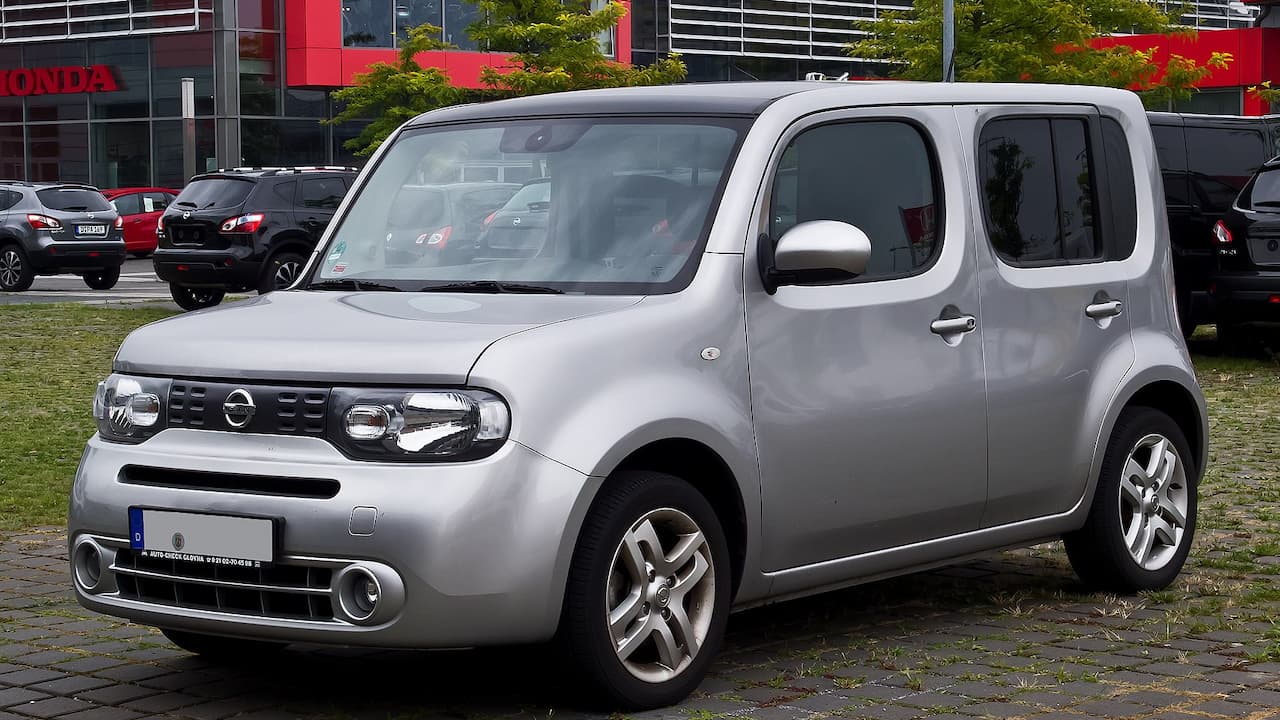
The Nissan Cube’s boxy design was not universally loved. However, it offered a spacious and comfortable interior.
The Cube was also one of the first cars to feature a wrap-around rear window, which added to its unique appeal.
Smart ForTwo
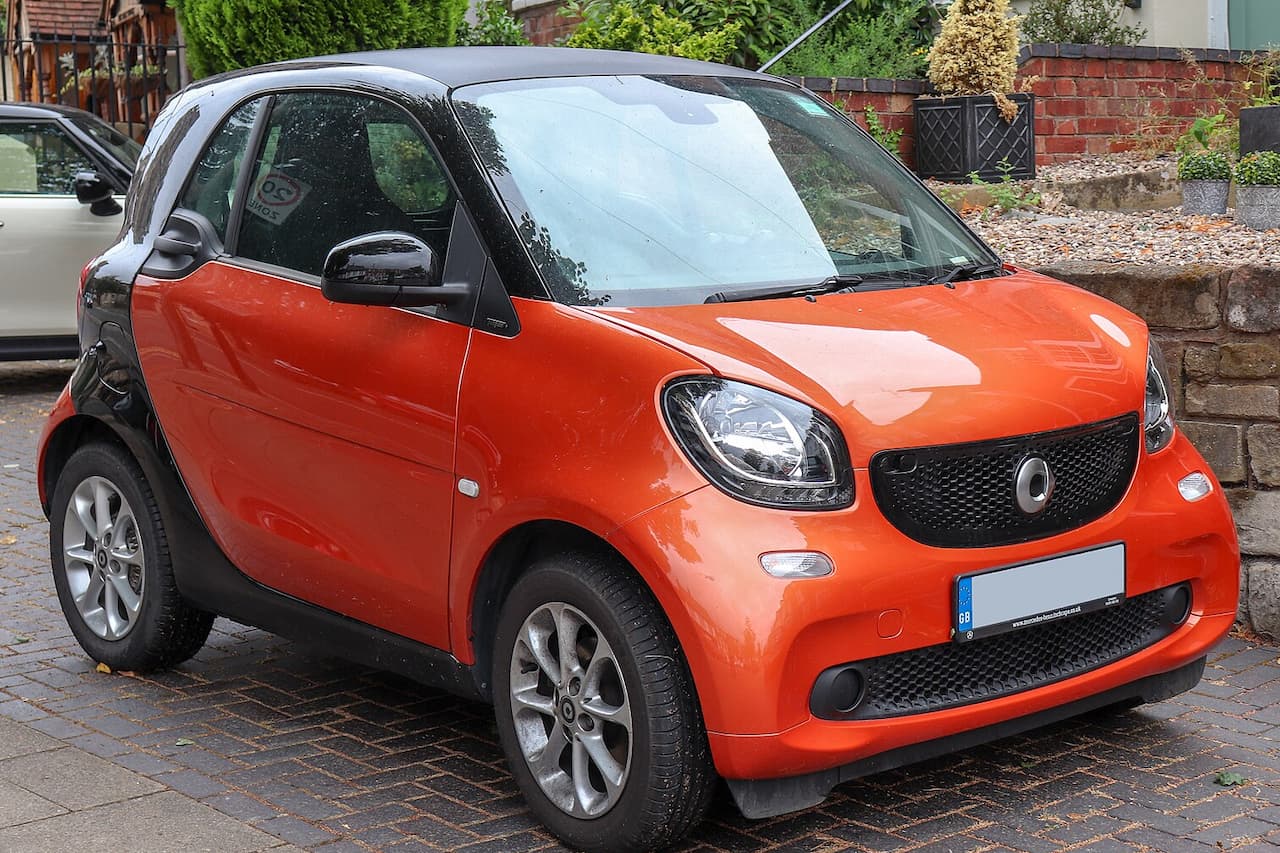
The Smart ForTwo was criticized for its tiny size and lackluster performance. However, its compact design made it an excellent city car.
The ForTwo was one of the first cars designed with urban living in mind, offering easy parking and excellent fuel efficiency.
Hummer H2

The Hummer H2 was often vilified for its excessive size and poor fuel economy. However, it was a capable off-road vehicle that offered a commanding presence on the road.
The H2 was a symbol of American excess, but it was also a vehicle that delivered on its promise of ruggedness and durability.
DeLorean DMC-12

The DeLorean DMC-12 was infamous for its underwhelming performance and high price. However, its iconic gull-wing doors and stainless steel body made it a standout in design.
The DMC-12 became a pop culture icon thanks to its appearance in the Back to the Future movies.
Edsel
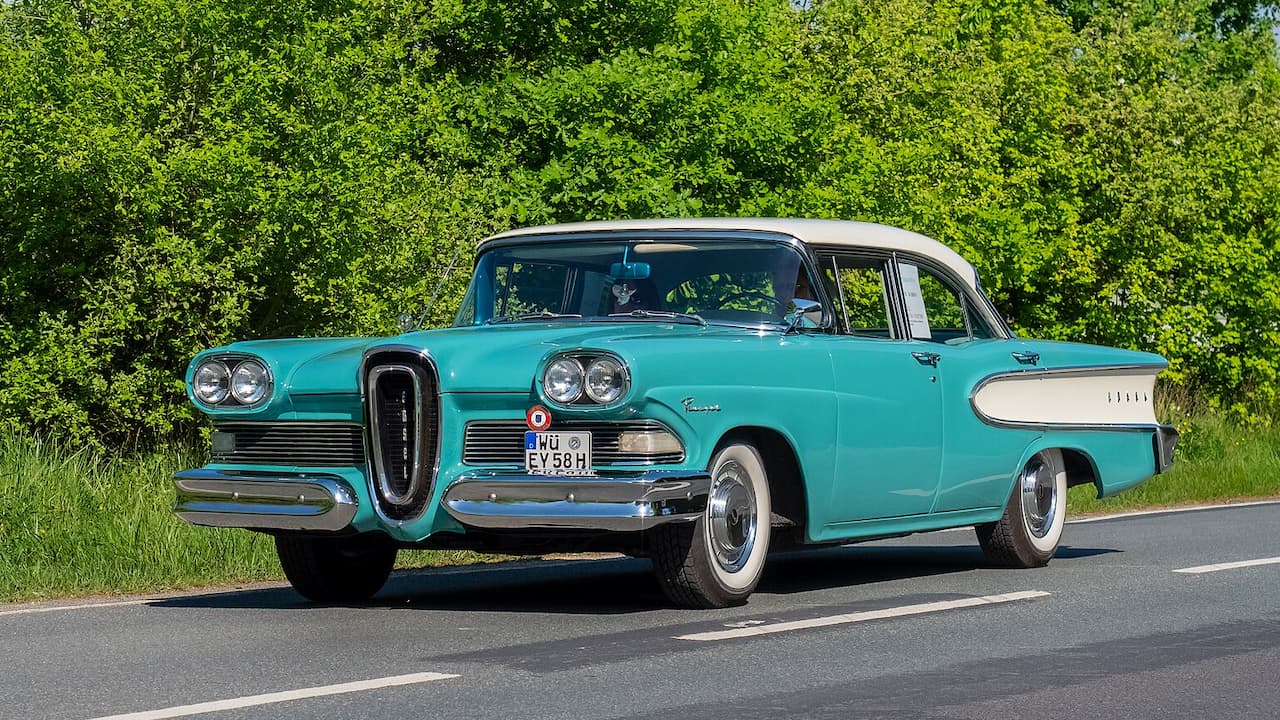
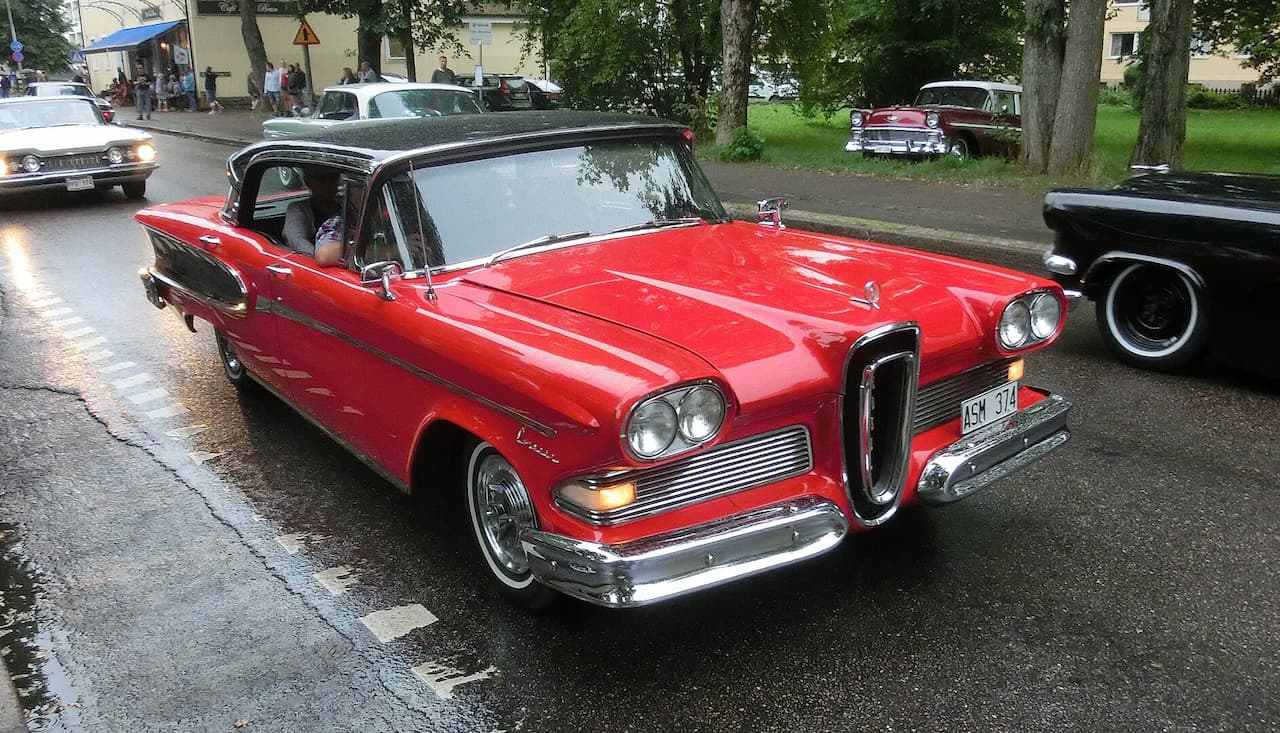
The Edsel was a massive commercial failure for Ford and is often cited as a textbook case of how not to launch a new brand. Despite this, the Edsel was a well-built car that offered several innovative features, such as the Teletouch automatic transmission that was controlled by push buttons on the steering wheel. It’s a shame that the Edsel’s legacy is often overshadowed by its failure in the market.
In the end, beauty is in the eye of the beholder, and what may seem like a universally hated vehicle can indeed have its redeeming qualities. These 15 cars show that sometimes, there’s more than meets the eye when it comes to automotive design and engineering.