

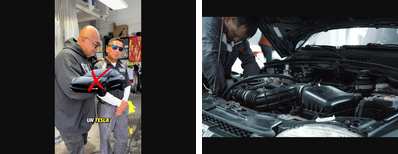
Nobody sees a car’s weak points quite like the people who fix them after a crash. In a new TikTok from @collision.consult, the owner of an East LA auto body shop walks the floor and asks his own employees a simple but loaded question: which car would you personally never buy?
The answers come fast and vary widely from one tech to the next, each one speaking from firsthand experience repairing collision damage, electrical gremlins, and build-quality issues most everyday drivers never see until something goes wrong. It’s an unscripted, insider roundup of the kind of opinions that usually only get shared shop to shop, not posted for the whole internet to see.
@collision.consult
Body shop techs see a side of car ownership that dealership showrooms never advertise: what a vehicle looks like after it’s been in an accident, and how hard or easy it is to put back together correctly. Some vehicles are engineered with repairability in mind, using standardized parts and accessible panel layouts. Others pack electronics, sensors, and proprietary components so tightly into the body that even a minor fender bender can turn into a five-figure repair bill.
That difference matters more than most buyers realize at the point of sale. A car with a lower sticker price but notoriously expensive or difficult collision repairs can end up costing more over time, especially once insurance premiums are factored in. Insurers price policies partly based on a model’s average repair costs and claims history, which is one reason two seemingly similar vehicles can carry noticeably different monthly premiums.
Reliability and collision-repair difficulty aren’t always the same thing, either. A vehicle can be mechanically dependable day to day while still being a nightmare to fix after a crash, due to how its body panels, sensors, or crumple zones are engineered. That nuance is exactly why insider opinions like the ones in this video carry extra weight: they’re coming from people who see the aftermath, not just the test drive.
For shoppers who want to dig deeper before buying, a few resources can help fill in the picture a body shop tech would otherwise only share in passing. Insurance Institute for Highway Safety (IIHS) ratings include structural and repairability data alongside crash-test scores, and asking a local independent body shop, not just a dealership, about a specific model’s repair history can surface the same kind of unfiltered insight featured in this clip.
It’s also worth remembering that individual experiences can vary by region, climate, and even which generation of a model is being discussed. A tech in a salt-heavy winter state may flag rust-prone models that rarely come up in warmer climates, and a car that struggled in an earlier model year may have been significantly improved in a later redesign. Treat roundups like this one as a useful data point and a conversation starter, not the final word.
At the end of the day, content like this works because it pulls back the curtain on a part of car ownership most buyers never think about until they need a repair themselves. Getting a few honest opinions from the people who actually open these vehicles up for a living is a small edge worth having before signing on the dotted line.
More from Steel Horse Rides
- Buyer Risked Five Hundred Dollars On A Mercedes GL450 Worth Close To Fifteen Thousand Dollars And Is Revealing Every Hidden Mechanical Flaw One By One
- Truck Flipper Was Mid Inspection On A Suspicious Facebook Marketplace Truck When It Suddenly Started Smoking And Leaking Fluid All Over The Parking Lot
- Weekly Bank Repo Auction Just Sold An Entire Running Car For Only Three Hundred And Fifty Dollars And The Crowds Reaction Says Everything About How Shocked They Were