

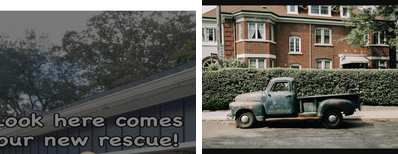
Creator @full_steam_designs posted a reel captioned “Look here comes our new rescue!” as a beat-up, well-worn old truck rolls into frame, playfully borrowing the “adopt don’t shop” language usually reserved for animal rescue groups to describe picking up the latest project vehicle.
It’s a small framing choice, but an effective one. Instead of presenting the truck as just another junkyard find or project car, the post leans into genuine affection for a vehicle that most people would drive right past.
The “rescue” framing taps into something real in car culture. Builders and restorers who take on genuinely rough trucks, the ones with rust-through panels, dead interiors, and engines that haven’t turned over in years, often talk about the work in emotional terms that sound a lot like adopting a neglected animal. There’s a shared sense of giving something written off by everyone else a second chance at a useful life.
Practically speaking, a truck in this kind of condition usually comes with a long list of needs before it’s road-ready again: structural rust repair on the frame and cab corners, a full brake system rebuild if it’s been sitting, fuel system cleaning or replacement since old gas turns to varnish over time, and often a complete rewiring job if rodents or corrosion have gotten into the wiring harness. None of that is cheap or fast, but it’s exactly the kind of methodical, visible transformation that makes project-truck content so satisfying to watch unfold.
There’s also a financial logic behind choosing a truck this far gone rather than something merely used. Trucks that look genuinely rescued, rather than lightly fixer-upper, tend to sell for a fraction of a running, driving example, which gives a patient builder far more room to invest in exactly the upgrades and repairs they want rather than paying a premium for someone else’s half-finished work.
What makes these old single-cab and farm trucks particularly appealing to rescue is their mechanical simplicity. Many pre-emissions-era and early emissions-era trucks use carbureted engines, simple leaf-spring suspensions, and body-on-frame construction that’s straightforward to repair compared to a modern unibody vehicle packed with sensors and computer modules. A patient owner with basic tools and some mechanical know-how can realistically bring one back from the brink in a home garage.
Whether this particular truck ends up as a daily driver, a weekend cruiser, or simply a labor of love parked in the driveway, the “rescue” framing is a reminder that plenty of car people see these old trucks the same way: as something worth saving, not just something worth flipping.
More from Steel Horse Rides
- Creator Shares Garage Camera Footage of a Ford F250 Rolling Away Across a Driveway and Onto the Lawn Under a Caption Saying It Almost Took Out a Third Vehicle in Four Weeks
- Truck Flipper Was Mid Inspection On A Suspicious Facebook Marketplace Truck When It Suddenly Started Smoking And Leaking Fluid All Over The Parking Lot
- Builder Turned An Ordinary Volvo Sedan Into A Full Blown Off Road Trophy Truck And The Transformation Is Almost Completely Impossible To Recognize