

A car dealership owner who posts as @georgejsaliba has pulled in 1.1 million views with a true-crime-style breakdown of surveillance footage that, he says, proves an employee he trusted conspired with an outside thief to steal a high-value vehicle straight off the lot. Narrating the footage himself, the owner walks viewers through the sequence of events as it played out on camera, framing it as the kind of betrayal that’s hard to see coming until it’s already happened.
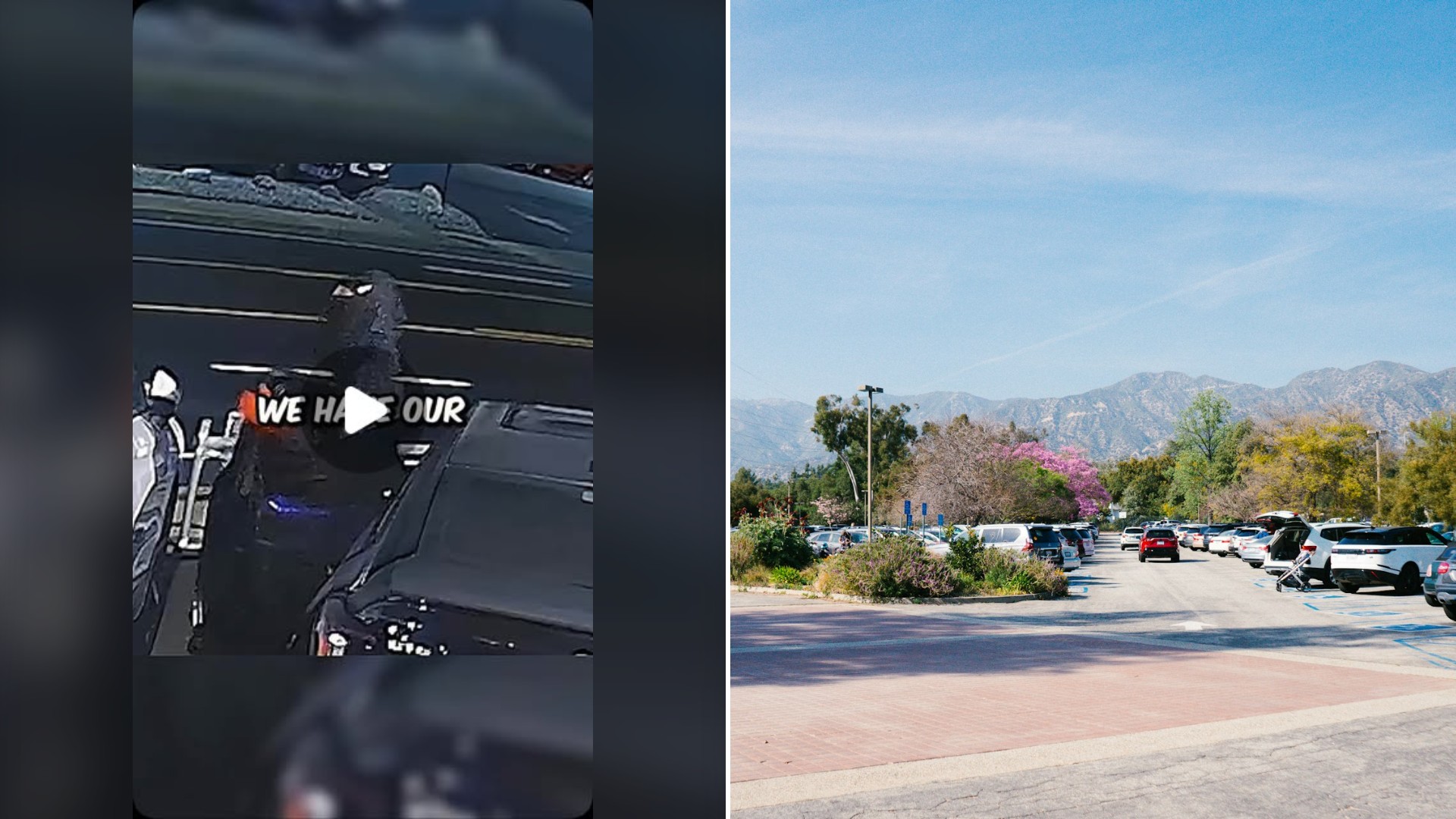
The appeal of the video is partly the surveillance footage itself and partly the dynamic it exposes: a theft that didn’t require breaking in, because someone already had a key to the door. For dealership owners and inventory managers, it’s also a plainspoken warning about a risk that’s easy to underestimate.
Internal theft is one of the least discussed but most costly risks in the used and new car business. Industry loss-prevention estimates have long pointed to “internal shrinkage” — inventory, parts, or cash lost to employees rather than outside criminals — as a disproportionately large share of total dealership losses compared with external theft or shoplifting-style incidents. A single stolen vehicle, especially a higher-value one, can represent tens of thousands of dollars in loss that insurance may only partially cover, on top of the operational disruption of investigating what happened.
Dealerships that have been burned by incidents like this tend to tighten the same handful of controls afterward. Key management is usually first: moving from a simple pegboard or lockbox to an electronic key-tracking system that logs exactly who checked out which vehicle’s keys and when. Access logs for the lot itself — who has a gate code, who has an alarm code, and whether those credentials are rotated when staff turnover happens — are a close second, since a former or current employee with lingering access is a common thread in inside-job thefts.
Surveillance coverage matters just as much as the hardware around it. Cameras that only record to a local hard drive without off-site or cloud backup can be disabled, damaged, or have their footage deleted before an investigation even starts, which is why many dealerships now pay for cloud-based storage specifically so that footage survives even if someone tampers with the on-site equipment. Placement matters too: cameras angled to clearly capture license plates and faces at every lot exit tend to be far more useful after the fact than wide establishing shots of the showroom floor.
There’s also a process side to prevention that has nothing to do with cameras. Background checks before hiring are standard at larger dealerships but inconsistently applied at smaller, independent lots, where trust is often extended quickly to a small staff. Rotating responsibilities — so that no single employee has unsupervised, unlogged access to high-value inventory for extended stretches — is a basic internal-controls principle borrowed from retail and banking that smaller operations frequently skip simply because it feels unnecessary among people who know each other well.
For an owner who has gone through a theft like the one in this video, the aftermath typically involves more than just a police report. Recovering a stolen vehicle, if it happens at all, often depends on how quickly the theft was identified and reported, since cars moved quickly across state lines or sold for parts become exponentially harder to trace. That urgency is part of why so many dealership owners who’ve been through it choose to go public with the footage afterward — not just to warn other business owners, but because broadcasting a clear image of the vehicle and the people involved genuinely does improve the odds that someone, somewhere, recognizes it.
More from Steel Horse Rides
- A Truck Flipper Was Mid Inspection On A Suspicious Facebook Marketplace Truck When It Suddenly Started Smoking And Leaking Fluid All Over The Parking Lot
- A Weekly Bank Repo Auction Just Sold An Entire Running Car For Only Three Hundred And Fifty Dollars And The Crowds Reaction Says Everything About How Shocked They Were
- A Buyer Risked Five Hundred Dollars On A Mercedes GL450 Worth Close To Fifteen Thousand Dollars And Is Revealing Every Hidden Mechanical Flaw One By One