

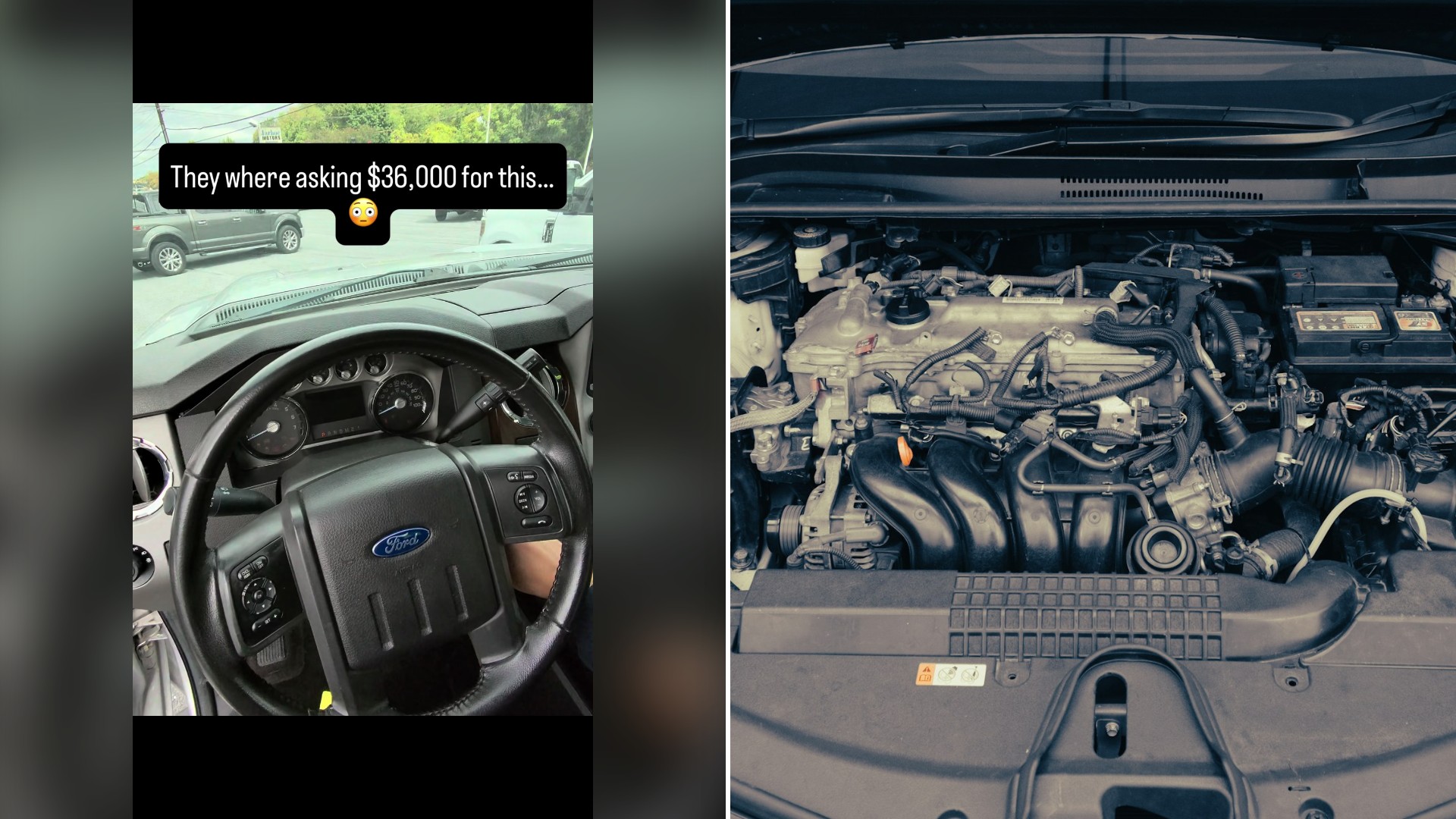
A used truck’s trip to a dealership lot came with a full set of claims about its condition, and one mobile mechanic decided to check every one of them before any money changed hands. In the video from @macsmobilemechanic, the mechanic performs a hands-on pre-purchase inspection, working through the truck piece by piece to see whether what the dealership said matched what was actually underneath the hood and beneath the frame. It’s a straightforward premise with real stakes, since a buyer relying on a salesperson’s word alone has no way of knowing whether the truck is as clean as advertised.
@macsmobilemechanic
A pre-purchase inspection, often shortened to PPI, is one of the simplest ways a buyer can protect themselves before committing to a used vehicle, yet it’s frequently skipped, especially on dealership lots where the sales process is designed to move quickly. Hiring a mobile mechanic to come inspect a vehicle, whether it’s sitting at a dealership or in a private seller’s driveway, typically costs between roughly $100 and $200 depending on the region and the depth of inspection requested, a small price relative to the thousands of dollars a hidden mechanical issue could end up costing after the sale is final.
A thorough inspection usually starts under the hood, checking fluid levels and color, looking for oil residue that points to a leak, and inspecting belts and hoses for cracking or wear. From there, a mechanic typically puts the truck on a lift or uses a creeper to check underneath for frame rust, signs of prior accident repair like fresh welds or mismatched undercoating, and the condition of the exhaust system. Suspension components get checked for play and uneven wear, brakes get measured for remaining pad and rotor life, and a scan tool run against the onboard computer can reveal stored trouble codes the dashboard warning lights aren’t currently showing, including codes that may have been cleared right before the truck went up for sale.
Dealership claims about a used truck’s condition can range from completely accurate to significantly overstated, and the gap often comes down to how much the dealership itself actually knows. Many used vehicles arrive at a lot as trade-ins or auction purchases with limited documented history, and a dealership’s own reconditioning process may not go much deeper than a visual cleanup and a basic safety check before the truck is priced and listed. That means claims like “no accidents” or “mechanically sound” are sometimes based on what the dealership was told rather than what was independently verified, which is exactly the gap an independent inspection is designed to close.
For buyers who can’t arrange an in-person mechanic inspection, there are still meaningful steps to take. Pulling a vehicle history report through Carfax or AutoCheck can surface reported accidents, odometer discrepancies, and title issues like salvage or flood branding. Asking the dealership directly for maintenance records, and being specific about requesting documentation rather than accepting a verbal assurance, puts the burden of proof where it belongs. And test-driving the truck under varied conditions, including some highway speed and some stop-and-go, can reveal issues like transmission hesitation or brake pulsation that a short lot test drive might miss entirely.
It’s also worth knowing that most states give buyers some degree of protection against dealerships misrepresenting a vehicle’s condition, though the specifics and remedies vary widely. Keeping a written record of what claims were made, ideally in the form of a listing printout or a text message rather than just a verbal conversation, creates a paper trail that matters if a dispute comes up after the sale. Combined with an independent inspection before signing anything, that documentation puts a buyer in a far stronger position than simply trusting the sales pitch.
Whether this particular truck’s claims hold up or not, the inspection itself is the real takeaway: verifying condition independently, rather than taking a dealership’s word at face value, is the difference between an informed purchase and an expensive gamble.
More from Steel Horse Rides
- Truck Flipper Was Mid Inspection On A Suspicious Facebook Marketplace Truck When It Suddenly Started Smoking And Leaking Fluid All Over The Parking Lot
- Buyer Risked Five Hundred Dollars On A Mercedes GL450 Worth Close To Fifteen Thousand Dollars And Is Revealing Every Hidden Mechanical Flaw One By One
- Mechanic Pours Molten Metal Into a Damaged Spark Plug Hole, Sands It Flat, Drills It Out, Cuts Fresh Threads With a Tap and Screws the Plug Back In Over Three Minutes