

Few credentials carry more weight in used-car content than volume, and @textomar leans on exactly that with a claimed track record of personally buying over 10,000 cars. The video, which has reached 1.7 million views, rates a range of popular models as either smart long-term investments or costly traps, grounding every call in reliability and long-term maintenance costs rather than opinion alone.
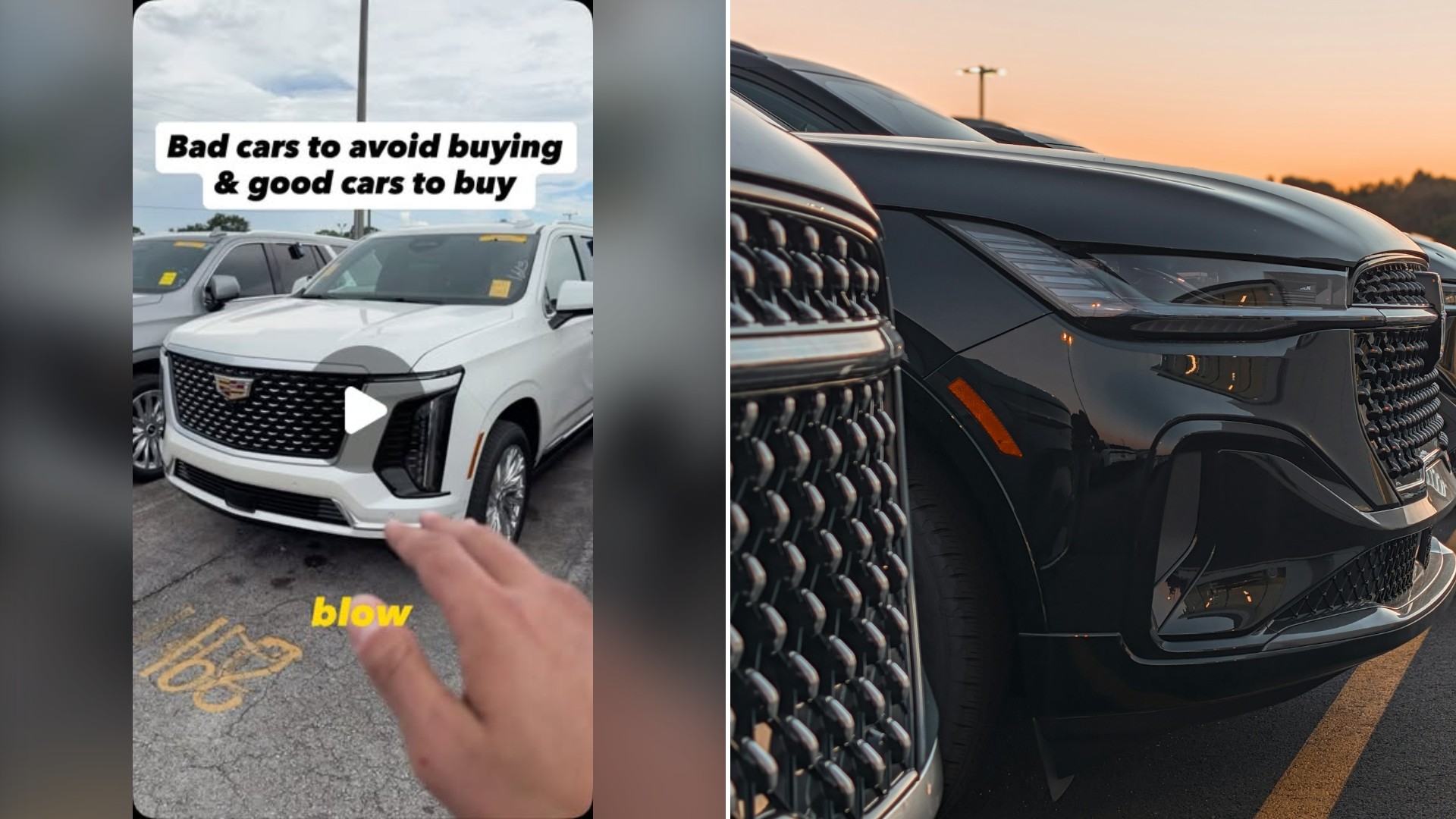
The “insider knowledge” framing is part of what makes the video so shareable — a transaction history that large suggests patterns most buyers would never personally encounter in a lifetime of car ownership, which gives every rating an air of hard-won authority.
Reliability ratings from high-volume buyers tend to diverge from manufacturer marketing in predictable ways, mostly because volume buyers see a car’s entire ownership lifecycle rather than just the showroom experience. A model can score well in initial quality surveys, which mostly capture defects in the first 90 days of ownership, while still developing expensive, well-documented issues at the 80,000- to 120,000-mile mark that only become visible to someone who’s bought and resold hundreds of examples of the same car over several years.
Total cost of ownership, rather than purchase price alone, is the metric that separates a genuinely smart used-car buy from a trap. Two vehicles priced identically at purchase can diverge wildly over a five-year ownership period once insurance, routine maintenance, and the likelihood of a major repair are factored in. A model known for a costly, non-negotiable maintenance item — a timing belt interval that requires removing major engine components, for instance — can end up costing thousands more over time than a competitor with a simpler, cheaper maintenance schedule, even if the two cars looked identical on a dealer lot.
Parts availability and labor cost are two related factors that high-volume buyers tend to weigh more heavily than casual shoppers. A popular, high-production domestic model typically has cheap, widely available aftermarket parts and a large pool of mechanics familiar with common repairs, keeping maintenance costs predictable. A low-production or imported model, by contrast, may have excellent engineering but considerably higher costs simply because parts are scarcer and fewer shops specialize in working on it — a dynamic that can make an objectively well-built car a financially poor choice for an owner without access to a specialist.
Resale value trends also factor heavily into whether a used car counts as a smart investment. Some models are known to hold value unusually well due to sustained demand and a reputation for longevity, letting an owner recoup a larger share of their purchase price at trade-in or resale. Others depreciate sharply once initial demand cools, regardless of how well they’re actually built, which means a technically reliable car can still be a poor financial choice if its resale value collapses faster than its maintenance costs stay low.
For everyday buyers without access to a 10,000-car sample size, the practical takeaway is to treat a high-volume buyer’s ratings as a useful starting point rather than gospel, then verify against independent reliability data, ownership forums for the specific model and year being considered, and a pre-purchase inspection before buying any used vehicle — since even the most experienced buyer’s general patterns can’t account for how well one specific car was maintained by its previous owner.
More from Steel Horse Rides
- A Weekly Bank Repo Auction Just Sold An Entire Running Car For Only Three Hundred And Fifty Dollars And The Crowds Reaction Says Everything About How Shocked They Were
- A Buyer Risked Five Hundred Dollars On A Mercedes GL450 Worth Close To Fifteen Thousand Dollars And Is Revealing Every Hidden Mechanical Flaw One By One
- A Truck Flipper Was Mid Inspection On A Suspicious Facebook Marketplace Truck When It Suddenly Started Smoking And Leaking Fluid All Over The Parking Lot