

Picture inheriting a patch of land and discovering that it comes with a yard full of old trucks nobody has touched in years. For @daisyonthefarm, that was not a hypothetical. She shared the first chapter of what she hopes will be a long restoration adventure, and the opening act ended with a very satisfying engine sound.
@daisyonthefarm
She explains it plainly. She says she inherited 260 acres from her uncle, and that he left behind a ton of trucks that are super old. Her plan is simple: work on them one by one, clean them up and see what kind of shape each is in. Her other posts mention a slightly different acreage, so the exact number is worth treating loosely, but the scale is clear. This is a lot of land and a lot of vintage iron.
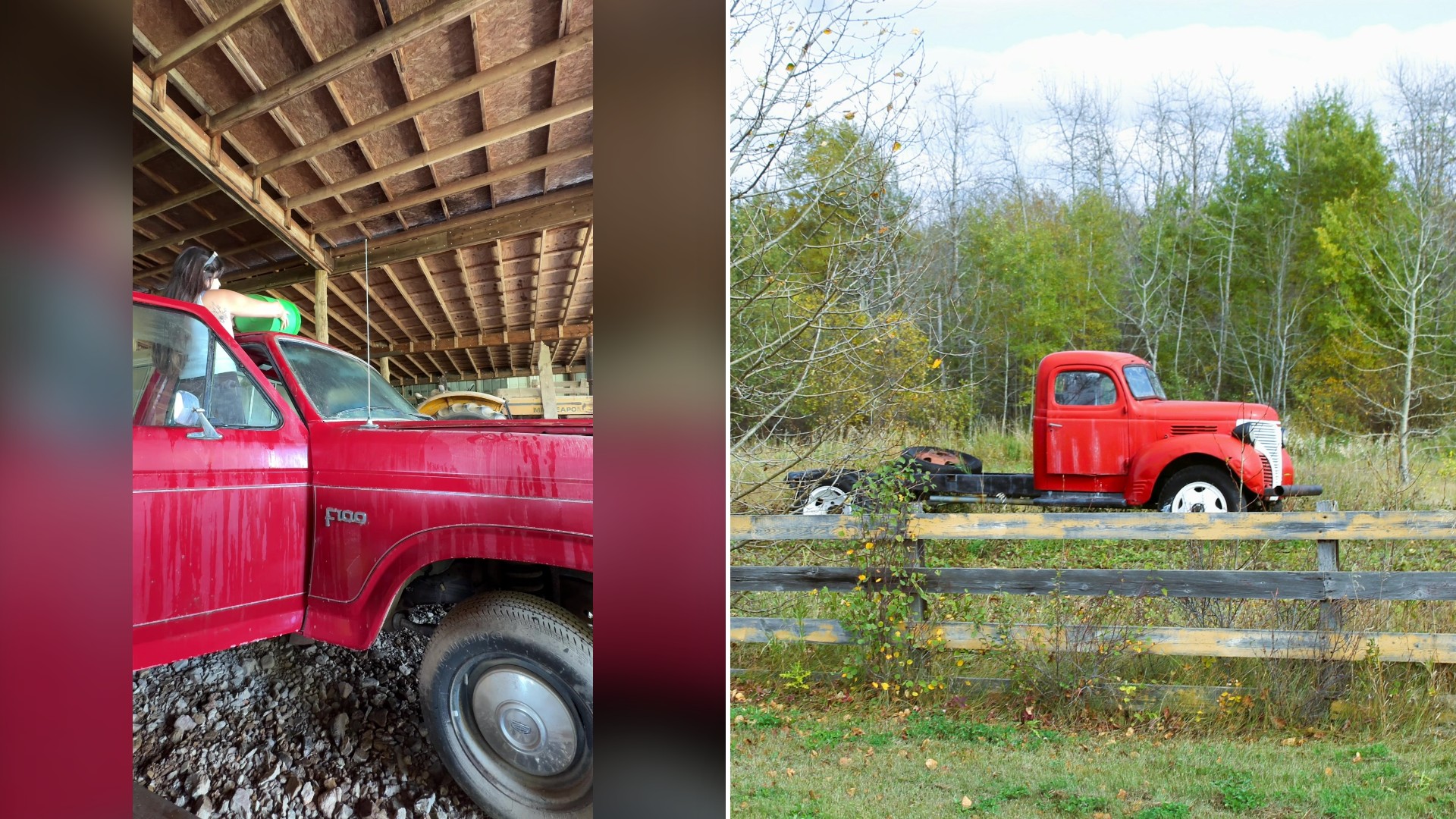
The truck she picked to start with is a 1982 Ford F-100 Sport, and her caption says it shows just 41,000 miles. Low mileage on a truck that old is the sort of detail that makes collectors lean in, though it is her claim and worth confirming with paperwork before anyone builds a value around it.
She starts by finding the key. Then she shows the inside, which she describes as not too bad. She admits she cannot tell whether the grime is mold or just dirt, and she has not even tried starting the truck yet. Her approach is the right one for a first look: do not rush to turn the key, just clean and observe.
Out come a bucket of water and some rags. She invites a helper named Lacey to join in, and the family gets to work. At one point she asks her dad whether he has a key, and he tells her it is already in the ignition. Then comes the question every barn find owner asks: have you got some gas? Her dad goes to fetch some, and they add fuel. Her summary, with a laugh, is that they already know it starts. A few moments later she announces that they have it running, and then asks the question that closes the story, “Who wants to buy it?”
Why a first look matters so much
It is tempting to turn a key the second you find it. Resist that. A truck that has sat for years can hide a long list of problems, and cranking the engine before checking basics can turn a small repair into an expensive one. A careful sequence will protect the truck and give you a clearer picture of what you own.
Start with the exterior and interior. Check for animal nests, which mice and birds love to build in air cleaners, glove boxes and engine bays. Look under the truck for leaks and check the tires, since old rubber can crack and hold air badly. Inspect the fluids. Old oil may look milky if water has entered, and old coolant may be rusty or sludgy.
Getting an old truck running safely
There is a well known routine for waking a sleeping engine. First, make sure the battery is charged or replaced. Second, deal with the fuel. Gas that has sat for years turns stale and can leave varnish in the tank, lines and carburetor. Fresh fuel in a small amount, as she did, can be enough for a first start, but a longer term fix usually means cleaning or replacing the tank, lines, filter and carburetor parts.
Third, before cranking, many mechanics pull the spark plugs and add a small amount of oil to each cylinder, then turn the engine over by hand to be sure it is not seized. That gentle step helps coat dry cylinder walls. Fourth, check the oil level and cooling system. Finally, once it starts, keep a close eye on temperature, oil pressure and any unusual smoke or noise.
A truck that fires up after sitting is a great sign, but it is not the end of the job. Brakes are a major concern. Fluid absorbs moisture, rubber lines deteriorate, and calipers or wheel cylinders can stick. Do not drive the truck on the road until the brakes have been inspected and serviced.
What makes the 1982 F-100 appealing
The Ford F-Series has been a staple of American roads for generations. Trucks from the early eighties sit in an interesting spot. They are simpler than modern pickups, with plenty of room to work in the engine bay, and parts for many of them remain easy to find through aftermarket suppliers and salvage yards. Interior trim and certain body panels can be harder to source, but the community around these trucks is active and generous with advice.
The Sport trim, as the caption calls it, usually points to a more appealing package than a basic work truck. Whether the mileage is original is something a buyer would want to check by looking at wear on the pedals, seat and steering wheel, as well as any records.
Handling a big inheritance of vehicles
Inheriting a collection like this is both a gift and a project. If you ever find yourself with a field of forgotten trucks, start by documenting everything. Photograph each vehicle, record any identification numbers and note what paperwork exists. Make sure the titles are in order, since a missing title can complicate any later sale. Decide which trucks are worth saving, which are best kept for parts and which may be sold as they stand.
Setting priorities saves money. A solid, low mileage truck like this F-100 is a natural place to begin, because it rewards effort quickly. A running, clean truck is easier to sell, easier to enjoy and easier to use as proof of what the rest of the collection might become.
It is also worth thinking about the human side. Old trucks carry memories of the people who owned them. Working on them with family, as she did with her dad and Lacey, turns a chore into something shared. There is a quiet sort of respect in cleaning a vehicle that someone once cared about and bringing its engine back to life.
Whether she keeps the F-100 or finds a buyer, the first win is already in the books. The truck started, the family laughed, and a long line of old trucks now has a champion willing to give each one its turn.