

Imagine calling a dealership with a check ready, a specific truck picked out and a promise to buy that same day, only to spend more than twenty minutes on the phone without hearing a single price. That is the frustrating story shared by car buying creator @tomislavmikula in part two of a three part series, and it has people asking how a simple sales call got so complicated.
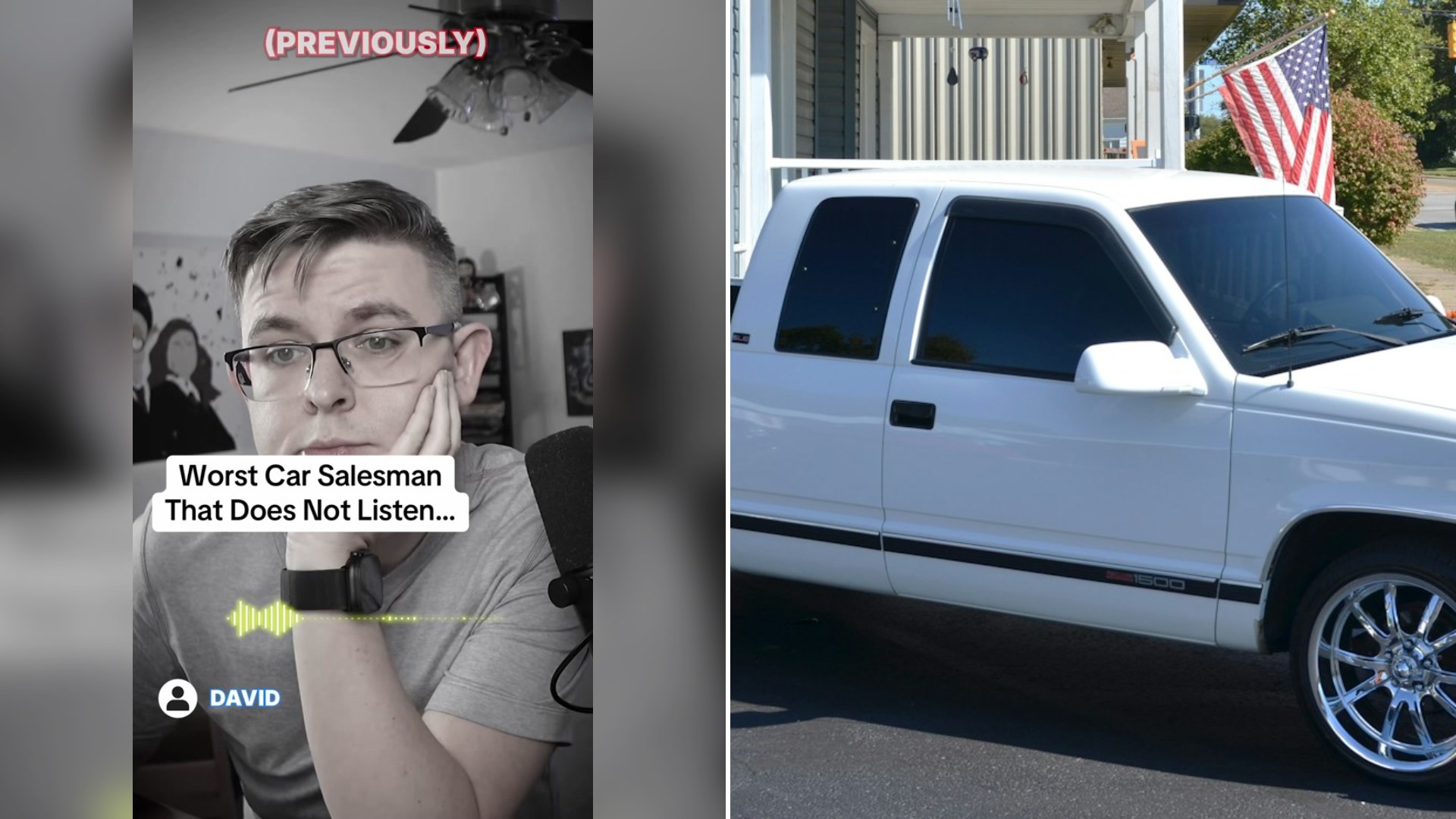
The vehicle in question is a GMC Yukon in the AT4 trim, and the buyer says it is the exact build and stock number he wants. What follows is a long, winding conversation that teaches a lot about how not to handle a customer.
@tomislavmikula
A buyer with cash and a plan
From the start, the buyer says he is serious. He explains that he is buying a car today or tomorrow from whoever gives him a good deal, and that he is shopping several dealerships to figure out what a fair price looks like. He says he and his business partner have a ninety thousand dollar check they could pay with right away. He says he would take the Yukon for ninety thousand dollars, and then he makes his offer: five thousand dollars off.
The salesman says he would need to check, and that he would need the buyer to come in. The buyer is willing to come in once they agree on a price, but he wants the price first.
The call goes in circles
This is where the conversation bogs down. The salesman says the dealership does business on a more personal level and mentions a loyal customer base and free car washes for life. The buyer asks a plain yes or no question: does the dealership sell cars to out of state buyers over the phone? The salesman replies that he is not sure he heard correctly and asks the buyer to repeat himself. Later the buyer points out that it is the first time he is hearing that the deal requires an in person visit.
The buyer also notices that the salesman keeps forgetting the offer. At one point he asks the salesman to say what his offer was. After a long pause the answer comes back as five thousand off, and the salesman says he might have to check on it. The buyer jokes that it feels like talking to an AI chatbot that has no memory.
Questions that had nothing to do with the truck
As the call stretches on, the salesman starts asking about the buyer’s personal life. He asks what he does for a living, whether he has kids, what he uses the Yukon for and whether he goes off roading. The buyer explains he is a consultant who advises people on big purchases, and that the truck is for business, driving people around. He is clear that he does not need a more loaded model. This is the exact vehicle he wants, because the AT4 looks cool.
The buyer’s frustration is that the sales questions never lead to a number. He suggests the simplest path: put me on hold, walk to your manager, say a guy wants this Yukon and offered five thousand off, and see whether the dealership can come back with something like two thousand off. That, he argues, takes about a minute. Instead the call has run for twenty three minutes.
A different truck and a hang up
Then the salesman pivots. He says the dealership has a 2024 Yukon with about thirty three thousand miles and suggests the buyer consider a pre owned one. The buyer says no, that is not what he asked for. The salesman then says he is going to speak with his boss and call back within a half hour to an hour, and the line goes quiet.
Moments later the salesman calls back and says that because they do not get many AT4 trucks, the dealership will stick to the full sticker price. The buyer points out that the salesman said someone had come into the store and then hung up on him. He suspects the sticker price offer only came after the salesman realized who he was. The buyer says he would be willing to pay sticker, but at this point he feels he is being disrespected. Finally, he calls the dealership’s main line and asks for a manager, saying a salesperson has just run him around for thirty minutes and claimed to have spoken to a manager who is not there.
What this means for your next purchase
Not every dealership works this way, and it is only one conversation. But the call offers several lessons for anyone shopping for a new vehicle.
- Get a written quote. Ask for an email with the price, fees and taxes spelled out. A dealer who wants your business will usually provide one.
- Give them the stock number. It points to one exact vehicle, so there is no confusion about trim or options.
- Know your limit. Decide before the call what you will pay and what you will not.
- Ask to speak to a sales manager early. The person who can approve a price is not always the first person who answers the phone.
- Keep notes. Write down names, times and what was quoted. It helps if the story changes.
- Do not be afraid to hang up. If a conversation is not going anywhere after ten minutes, move on to the next dealer.
Why some dealers resist phone deals
Dealers often prefer to talk with customers face to face because it gives them time to learn about the buyer, present financing and trade in options and add extras. A phone call that asks only for a price can feel like a risk to a salesperson who thinks the customer will simply shop the number around. Out of state buyers can also raise questions about taxes, registration and delivery. None of that excuses a call that goes in circles, but it does explain why a salesman may be cautious. A good one still finds a way to say yes, no or let me check and call you right back.
The buyer in this story just wanted a number. In the end, that is what most of us want when we shop for a vehicle: a clear price, a straight answer and a little respect for our time.