

It is hard to think of a more dramatic way to start a restoration story than pulling a Porsche out of the woods. In an episode from @ammonyc, the crew rescues an abandoned 1977 Porsche 911 Targa that the caption says was rotting in the trees. The reel is short, and much of it is set to music, but the caption lays out the whole plan, and it is a great one for anyone who has ever wondered what really goes into bringing a forgotten classic back to the surface.
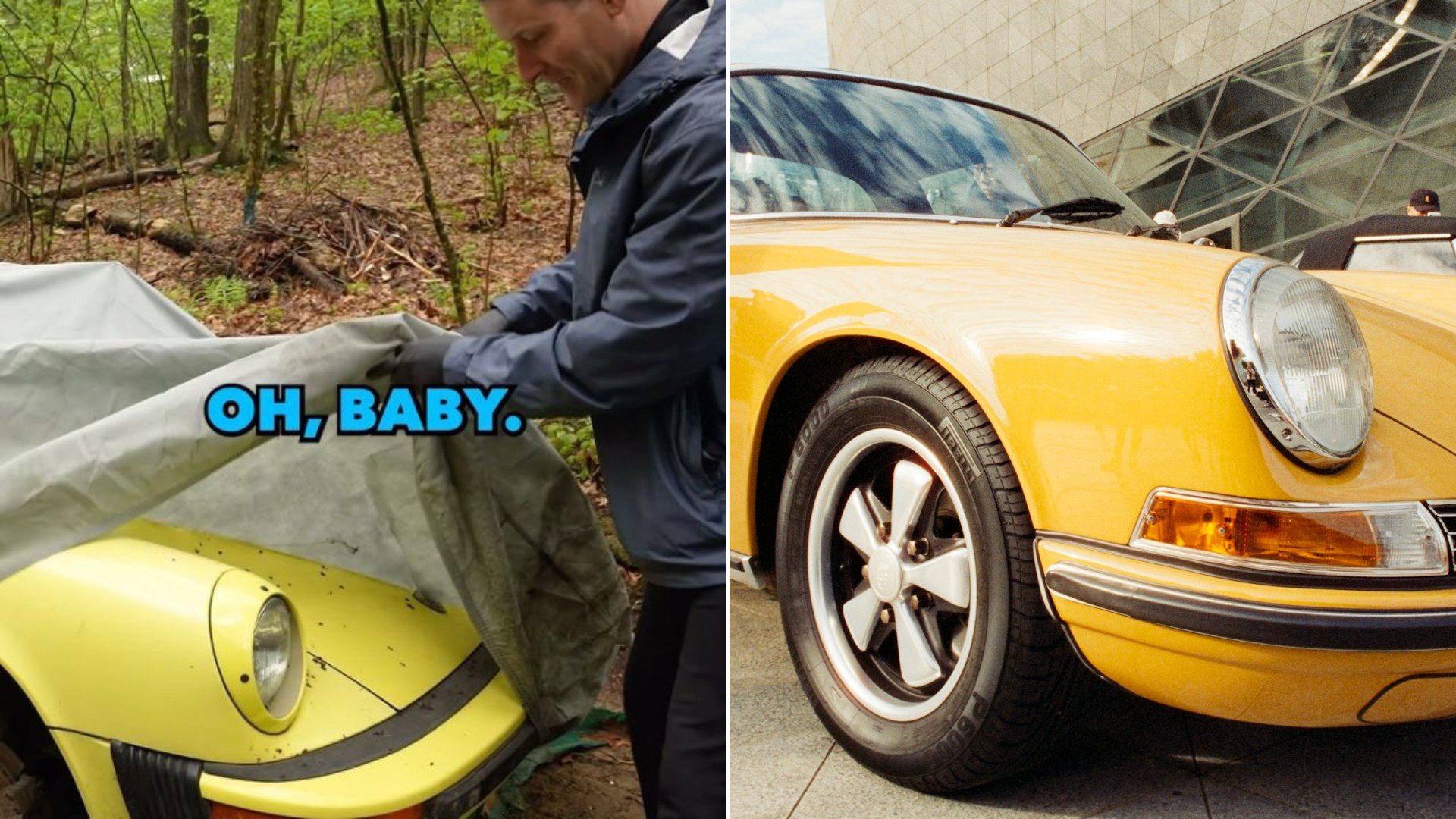
The spoken part of the reel is brief. Someone asks what the crew has here, and the answer is a 77 Porsche 911 Targa that has been sitting for about 20 years. A second voice asks the name of the color, and the reply is some sort of yellow. After that the reel moves to upbeat music with no more talking, so this article sticks to what the caption describes.
View this post on Instagram
The Plan, Straight From The Caption
According to the caption, the episode follows several stages. First the crew rescues the Targa from the woods. Then, back at the studio, the host power washes the years of accumulated dirt off the car. Next the interior is taken apart so it can be cleaned thoroughly. After that comes the part that makes the biggest visible difference, which is bringing the faded, oxidized paint back to life with a polish. The caption promises a crazy transformation, and it ends with a question that keeps the story moving. The host says that he and Axel will find out whether they can get this amazing find running.
The caption does not give the answer in the text, and the reel does not either, so there is no way to say whether the car ever turned over. What the caption does make clear is the order of the work. Wash first, then take the interior apart, then polish. That is the same order that professional detailers tend to follow on a neglected car, and it is worth understanding why.
Why The Work Starts With A Power Wash
A car that has spent years outdoors collects a thick layer of dirt, pollen, leaves and grime. Before any polishing can happen, all of that has to come off, or it will scratch the paint when it is touched. A power washer is the fastest way to loosen it, though it has to be used with care on an older car. Pressure that is too high, or a nozzle held too close, can damage weak paint, strip trim or push water into places where it does not belong. Old cars are particularly sensitive, since seals have aged and surfaces may already be thin.
That is why careful detailers rinse from a safe distance and let soap do as much of the work as possible. They also pay attention to where the water is going. A car that has been outside for years may already have moisture trapped inside, and extra water can make that problem worse.
Taking The Interior Apart
The caption says the host disassembles the interior for a thorough cleaning, and that is the sort of step that separates a quick wash from a true restoration. A car that sits in the woods lets in dampness, dust and animals. Carpets can hold moisture, which leads to musty smells and rust beneath. Seats and door panels collect dirt in places that a vacuum cannot reach.
Removing the seats and carpets allows the crew to see the floor pans, look for rust and clean areas that would otherwise stay hidden. It is slow and sometimes messy, but it is the only way to be sure the job is done properly. For any owner of an older car, the same rule applies. If you smell dampness, find out where it is coming from before you cover it up.
Polishing Oxidized Paint
The last step in the caption is the one that people love to watch. Oxidized paint looks dull, chalky and faded, because the top layer of the finish has been broken down by sun and weather over many years. A polish removes a very thin layer of that damaged surface to reveal fresh paint underneath. Done properly, it can turn a lifeless color into one that shines again.
There is a limit to what polish can do. If the paint is too thin, or if the oxidation has gone through to the metal, it may not be possible to bring it back. That is why experienced detailers test a small area first and work slowly. The yellow color mentioned in the reel is the kind of shade that can look especially striking once the haze is gone, though the reel does not show the final result in the spoken part.
What Makes The Targa Special
The Targa is one of the best known versions of the Porsche 911. Its removable roof panel and fixed rear roll bar gave drivers a taste of open air driving while keeping a measure of structure overhead, and the name has been part of the 911 family for decades. Fans of the model love the look of the bar and the way it ties the car to Porsche’s racing heritage.
A Targa from the late seventies belongs to the era many enthusiasts consider the heart of the classic air cooled 911. That is part of why a find like this gets so much attention. Even a car in poor shape can be worth the effort for the right owner, and the crew obviously thought so, since they called it an amazing find.
What To Take From The Story
The big lesson in an episode like this is patience. A car that sat for about 20 years in the woods will not be fixed in an afternoon. There will be dirt to remove, hidden damage to discover and a long list of mechanical questions. The host’s closing line, about whether the crew can get it running, is the honest one. Nobody knows until they try.
If you ever find yourself with an old car that has been forgotten, the same steps apply on a smaller scale. Photograph it first. Clean it gently. Look for moisture and rust. And do not skip the research before turning the key. A car like this has survived a lot already, and it deserves a careful hand.