

Most of us have sat in a left turn lane behind a driver who just will not go. You watch the gaps in traffic open and close, you tap the wheel, and eventually your patience runs out. One driver says that moment of impatience ended with an officer pointing a gun at him in the street.
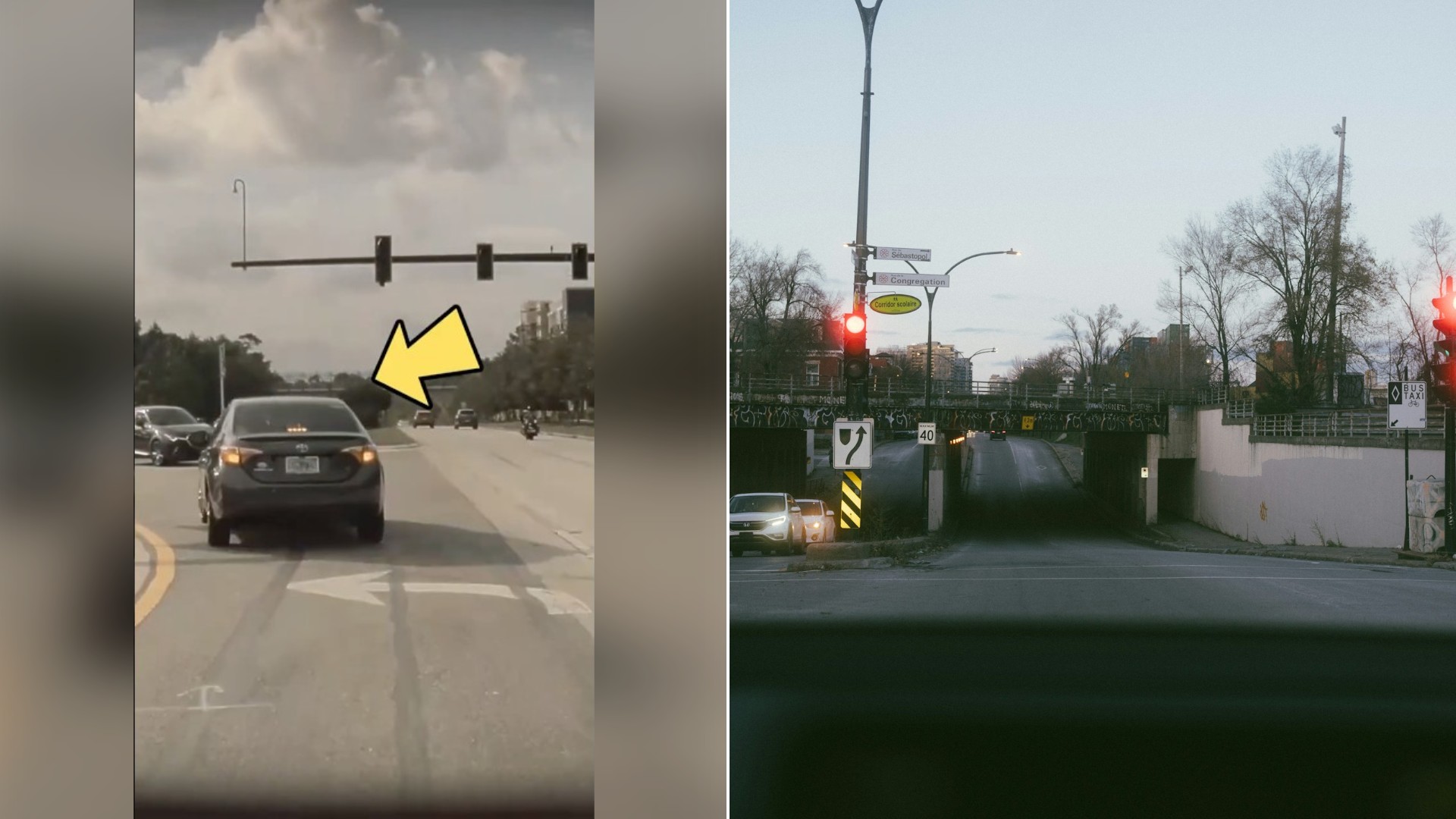
As he tells it, he pulled into a dedicated left turn lane with one car ahead of him. There was a lot of traffic in the median, with cars turning left from the opposite direction, so he figured the driver in front was waiting because they could not see well. He waited too. Eventually every other car cleared out of the intersection, and it was just the car in front of him and himself. By his count there were at least three really large gaps in traffic where that driver could have turned. They never did. So he decided to go around, make his left turn, and head home.
What happened next, he says, is where things escalated fast. Radio traffic describes a black Tesla and says the driver is “trying to take off.” A voice asks for more units to come over.
The account, shared on the @thecivilrightslawyer channel, describes the driver being called out of the car at gunpoint. The commands come fast: walk over here, keep walking, turn around, get on your knees, put your fingers behind your head. A voice marks the car by its tag and notes one person is at gunpoint, complying. Right before the officer puts him in handcuffs, the gun is finally put back in the holster. Then it is hands behind your back, lean against the car, spread your feet, wider, do not move.
The driver does not stay quiet through all of it. At one point he snaps back at an officer, insisting, “You definitely saw me.” Another voice in the story makes the case from the other side of the argument: when there are lights and sirens behind you and you keep going, that is how a stop turns serious.
We only have this one account, and it does not tell us how the case ended, whether any ticket or charge followed, or what the officers say about why they approached the way they did. What it does illustrate is how fast a routine driving decision can turn into a high stress, high risk encounter.
Why a gun can come out over a traffic matter
It helps to understand how officers are trained to see these moments. Anyone who does not stop promptly for emergency lights can be viewed as running from the police, even if the driver simply did not notice or was looking for a safe place to pull over. Once a call goes out saying a car is trying to get away, officers may treat the stop as a higher risk situation than an ordinary ticket. That is not a defense of every decision made on the street. It is simply the reality you are walking into, and it is why a calm, predictable response from the driver matters so much.
If you see lights behind you
- Slow down and signal right away so the officer knows you have seen them.
- Pull over as soon as it is safe, ideally somewhere well lit and out of traffic. If you are unsure whether the officer wants you, slow down and turn on your hazard lights.
- Turn off the engine, roll the window down, and keep both hands where they can be seen, on the wheel.
- Do not reach for the glove box or your pockets until you have said what you are reaching for and been told that is fine.
- If you are ordered out of the car, do exactly what is said, slowly, and keep your hands visible.
Save the argument for later
Whether the officers were right or wrong, the roadside is the worst place to win a debate. Anything you want to challenge, a ticket, an arrest, or how force was used, can be challenged afterward in court or through a complaint, and a lawyer can tell you what your local rules allow. Arguing in the moment gives you nothing and can only make a tense scene worse. You can be polite, say that you do not agree, and leave it at that.
What about the turn lane?
Rules about passing a stopped car in a turn lane differ from place to place, and many areas treat going around another vehicle in a turn lane as improper. Even where it is not spelled out, it can be unsafe, because you may be crossing the path of traffic you cannot see. That slow driver in front of you may be nervous, lost, or watching something you cannot. The extra thirty seconds of waiting is almost always cheaper than the alternative.
A dash camera can be a smart purchase for any driver, since it records your side of what happened. Check your local rules on recording audio, because they vary. And whatever you do behind the wheel, remember that the best outcome of any stop is the boring one, where everyone goes home.
More Stories You May Like
- Honda Owner Went For A Coupon Oil Change And The Dealership Said The Oil Pan Was Leaking Until An Independent Shop Looked And Found No Oil At All
- Barn Find 2002 Pontiac Trans Am WS6 With A Six Speed And A Hurst Shifter Gets Pulled Out Of A Shed After Years Of Sitting And Starts Right Up
- Family Sold Their Grandmother’s 1971 Plymouth Valiant To A Detailer For Five Hundred Dollars Cash After Twenty Seven Years In A Field And He Made It Shine Again