

There is a special kind of heartbreak that comes with the first warm day of spring. You walk out to the garage, pull back the cover on the classic you have babied for years, turn the key, and something is wrong. The engine stumbles. The car smells musty. The tires thump. And somewhere under the hood, a family of mice has set up housekeeping.
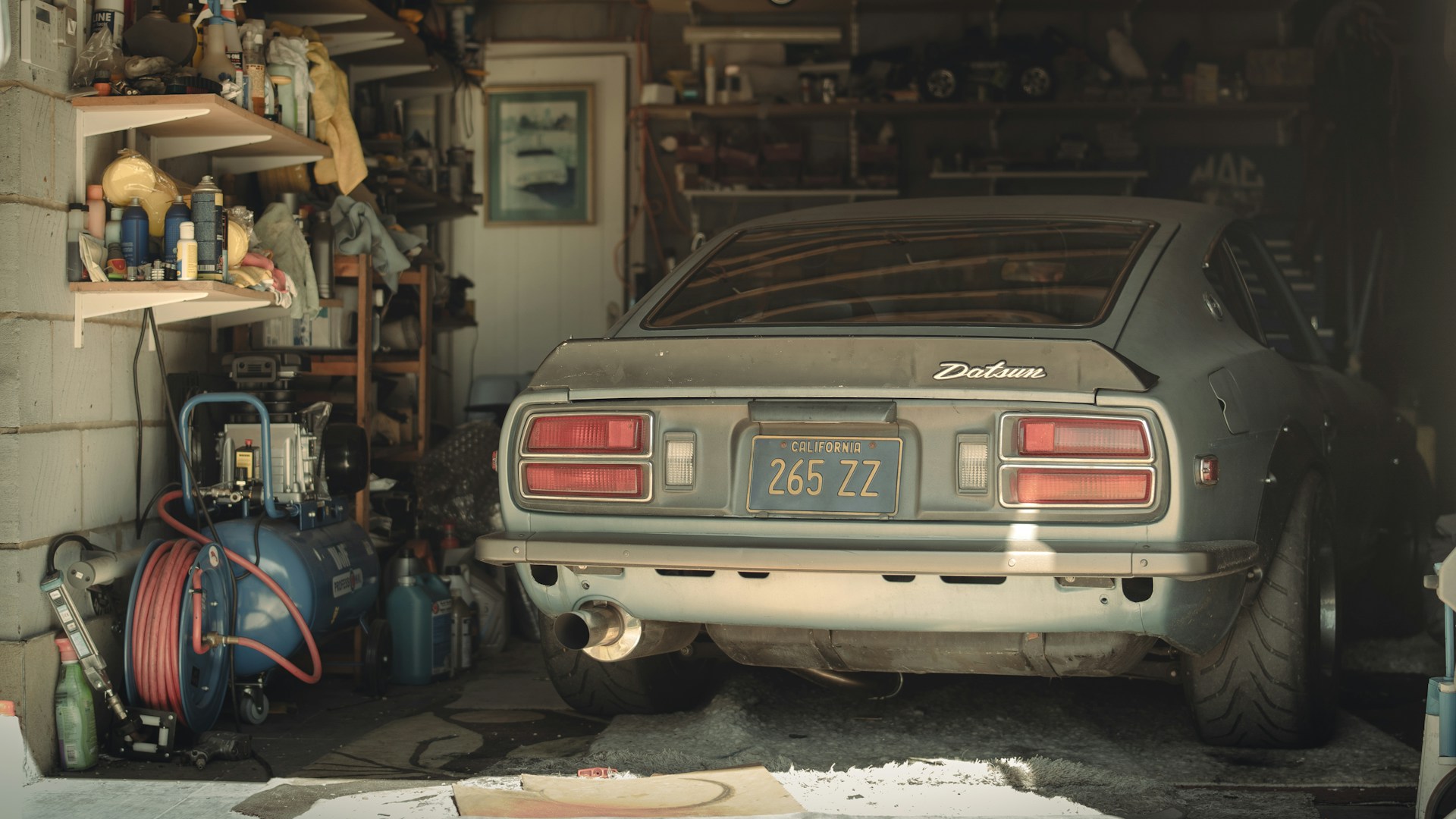
Winter storage done carelessly can quietly undo a lot of good work. Stale fuel, moisture, flat-spotted tires and rodents are the four big troublemakers. The good news is that every one of them can be handled with a little planning before the first cold snap.
Deal With The Fuel
Gasoline does not keep forever. Over a long sit it can degrade, leaving varnish and gummy deposits that clog carburetor jets and injectors. Many gasoline blends also contain ethanol, which can attract moisture over time.
The usual advice is to add a quality fuel stabilizer to the tank and then drive the car long enough for the treated fuel to circulate through the whole system, including the lines and the carburetor or injectors. Many owners also fill the tank near full before storage, because less empty space inside the tank leaves less room for moisture-laden air. Follow the directions on the stabilizer you choose, and check your owner’s manual or a specialist who knows your model if you are unsure.
Fresh Oil Before You Park
Used engine oil holds combustion by-products and contaminants, and you do not want those sitting against internal parts for months. Many classic owners change the oil and filter right before storage rather than after. It is a simple step that takes little time and protects the engine while it rests.
Fight Moisture
Moisture causes rust, mildew and a musty interior, and it sneaks in more easily than most people expect. Start with a clean car. Wash it, dry it completely, and clean the interior, since dirt and crumbs hold moisture and attract pests. Then think about where the car will sit.
- A dry, enclosed space is best, ideally one that stays out of the weather and away from damp floors.
- Skip the plastic tarp. Plastic traps moisture against the paint. Use a breathable car cover made for storage instead.
- Some owners place a moisture absorber inside the cabin. If you do, keep it where it cannot spill.
- Avoid starting the engine just to let it idle now and then. A short run usually does not get the engine fully warm, and that can produce more condensation than it solves.
Protect The Tires
When a car sits in one position for months, the section of each tire touching the ground can take on a temporary flat spot, and on older tires or those in cold weather the thumping can linger. Some owners inflate the tires to the pressure recommended by the manufacturer or a bit above before storage, while others raise the car and set it on jack stands so the weight is off the tires. If you use stands, use properly rated ones on solid points of the frame and follow a trusted guide for your model. Never rely on a jack alone to hold a car up.
Also think about the brakes. Parking brakes that stay engaged for a long period can sometimes stick, especially in damp conditions. Many owners leave the brake off and use wheel chocks instead, as long as the car is on level ground.
Keep The Battery Alive
A battery slowly loses charge while a car sits. A battery maintainer, sometimes called a tender, keeps it topped up safely. If a maintainer is not an option, some people disconnect the battery or remove it for storage in a cool, dry place. Check what your car needs, because older vehicles can have quirks.
Keep The Rodents Out
Mice and other rodents love a quiet, sheltered car. Wiring insulation, upholstery, headliners and air boxes make appealing nesting material, and the damage can be costly. A few smart steps help.
- Clean out any food wrappers, snacks and clutter from the cabin and trunk.
- Close off openings they might use, such as the exhaust tip and air intake. Many owners use coarse steel wool or mesh for this. Whatever you use, attach a bright note to the steering wheel so you remember to remove it before starting the car.
- Seal gaps in the garage itself, like holes along the door or walls.
- Consider traps or deterrents placed around the car, kept away from pets and children.
Waking The Car Up In Spring
When storage season ends, do not simply jump in and drive off. Take your time.
- Remove anything you used to block openings, including the note you left on the steering wheel.
- Look under the hood and around the car for signs of nesting or chewed wires.
- Check the fluid levels and look underneath for any new leaks.
- Set the tire pressures to the correct level and inspect the tires for cracks or lingering flat spots.
- Reconnect or recharge the battery.
- Test the brakes gently in a safe area before heading onto the road.
A Little Effort, A Lot Of Peace Of Mind
None of this is complicated, and most of it can be done in a single weekend afternoon. Every classic has its own habits, so lean on your owner’s manual, your club, or a mechanic who knows your model for details that fit your car. Put the car away right, and that first spring drive is a joy instead of a repair list.
More Stories You May Like
- Creator Stumbles on a Massive Classic Car Graveyard in America Where Mustangs, Camaros and Firebirds Are All Selling for Less Than $2,000 Each
- Barn Find 1977 Ford F250 Sat Untouched For Thirty Five Years With Only Seventeen Thousand Miles And The Detailer Says The Dirt Is The Thickest He Has Ever Seen
- True Barn Find 1967 Corvette L71 427 Is Found in Georgia with Only Three Thousand Miles on It