

Some explorers chase the thrill of a new find. This one went back for a second look. @ExploringWithBoss drove more than five hours to return to a yard he first visited a few months earlier, a place packed with rare vehicles, and he admits the whole spot still feels very uneasy.
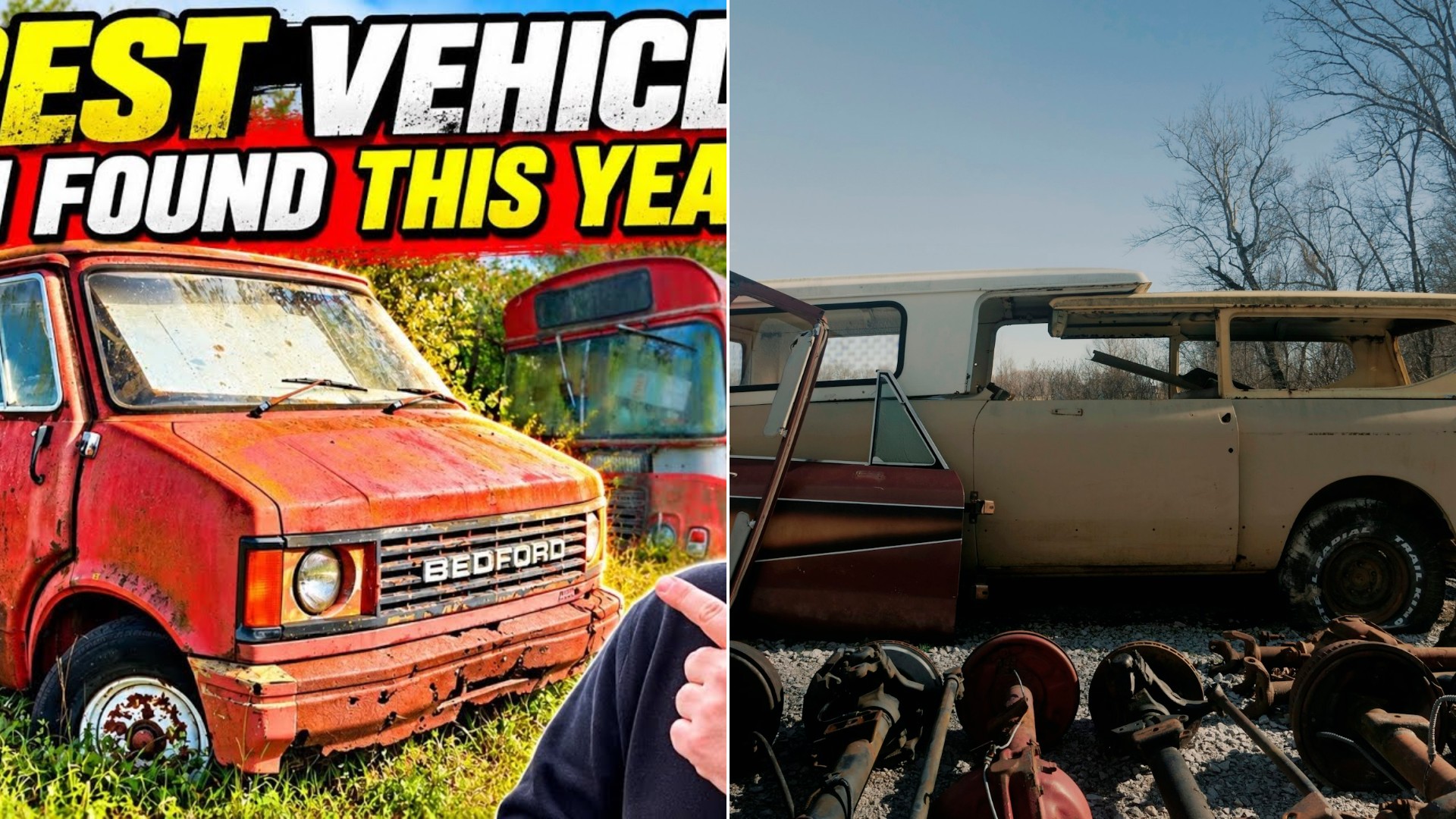
He opens with a simple question, what is going on, and the mood sets in from there. He has come, he says, to document the location properly, and the long drive tells you how much the place stuck with him. When a trip takes five hours each way for the sake of a few old vehicles, you know the pull is real.
The reason becomes clear as he starts pointing things out. Here are the milk floats, he says, lined up in the yard. And then, a little further along, there is the Bedford van. That thing, he adds, is so rare.
What Is a Milk Float, Anyway?
For American readers, a milk float is a quiet little electric delivery vehicle that was a fixture on British streets for much of the twentieth century. Milkmen used them to carry crates of bottles door to door, usually early in the morning, and their slow, whirring electric motors made them a familiar sound. They were built for short, stop-and-go routes rather than speed, which is exactly why electric power suited them so well. Today they are collected by enthusiasts who appreciate their charm and their place in daily life.
The Bedford name is also a big one in British motoring history. Bedford made a wide range of vans and trucks over many decades, and those vehicles worked hard for shopkeepers, tradesmen and councils. Finding a surviving example of certain models is increasingly difficult, since work vehicles were used up and then scrapped without a second thought. That is why an explorer can call one so rare and mean it.
Why Forgotten Yards Feel So Strange
There is a reason a place like this can feel uneasy, and it is not only the vehicles. A yard full of old machines that once had a purpose, with doors hanging and weeds creeping up through the wheels, tells a story of something stopped midstream. These were tools that people relied on every day, and now they sit silent. The stillness itself creates the mood.
It is also worth acknowledging that the creator does not explain why he feels uneasy, at least in the portions we have. Some of it may simply be atmosphere. Some of it may be practical, since overgrown, neglected sites often have hazards. Either way, trusting that feeling is good advice for anyone who explores old properties.
Exploring Safely and Respectfully
Before you head out to see forgotten vehicles of your own, keep a few ground rules in mind.
- Get permission. Many yards that look abandoned are private property with an owner somewhere, and entering without consent can lead to legal trouble.
- Watch your step. Rusted metal, broken glass, hidden holes and rotten floors are common, so wear sturdy boots and gloves.
- Do not climb on or into vehicles that look unstable. A roof that seems solid can collapse under weight.
- Take only photos. Removing parts from a site without permission is theft, and it can erase the history that makes a place interesting.
- Bring a friend, tell someone your plan and keep your phone charged.
How Rare Vehicles Get Lost
Rarity in the car world is rarely about how many were built. It is about how many survived. Commercial vehicles like delivery vans and floats were bought to work, not to be admired, so when they wore out they were stripped for parts, sold for scrap or simply left behind a shed. A model that once filled the streets can become a genuine unicorn in just a few decades, and nobody notices until the last few are gone.
That is why preservation groups and museums often welcome tips about unusual survivors. If you ever find a vehicle you think is significant, take photographs of the whole machine, the data plate and any identifying numbers. Note the location carefully, and share the information with a club or society that specializes in that type. They can sometimes help with identification, funding and even rescue.
The Value of Documenting
There is a real purpose behind the kind of trip he made. Sites like this change quickly. Yards get cleared, vehicles get scrapped, and a collection that has sat for years can vanish in a week. Photographs and video are sometimes the only record that survives, and enthusiasts, historians and restorers often use them to find the last of a rare type or to learn how a model was built and used.
If you spot an old vehicle that interests you, a polite approach to the owner can go a long way. Many people are happy to share the story behind a machine, and some may even be willing to sell. Ask about its history, take careful notes, and respect any limits they set. You may learn a great deal and make a new friend in the process.
The creator calls this place eerie and keeps coming back anyway, which sums up the pull of this hobby better than any essay could. To see the milk floats, the Bedford van and the rest of the yard for yourself, follow @ExploringWithBoss.
More Stories You May Like
- Pickers Checked Out A Hidden Garage Of Cars Next Door Including A Big Block 1967 Chevelle And A 1967 Corvette The Owner Refuses To Put Any Price On
- Running Part Time 4WD On Dry Pavement Can Bind Up The Drivetrain And Lead To A Painfully Expensive Repair Bill, So Learn When To Shift Your 4×4 Properly
- Mechanic Says a Chevy 5.3 Owner Was Already Pricing a Cam Actuator Job When Five Minutes of Diagnosis and One Cheap Part Had the Truck Starting on the First Try