

Everyone wants the Hemi. But a 1969 Dodge Super Bee with the rare A12 package and a 440 Six-Barrel just sold for $151,250, and nobody at the auction seemed to mind.
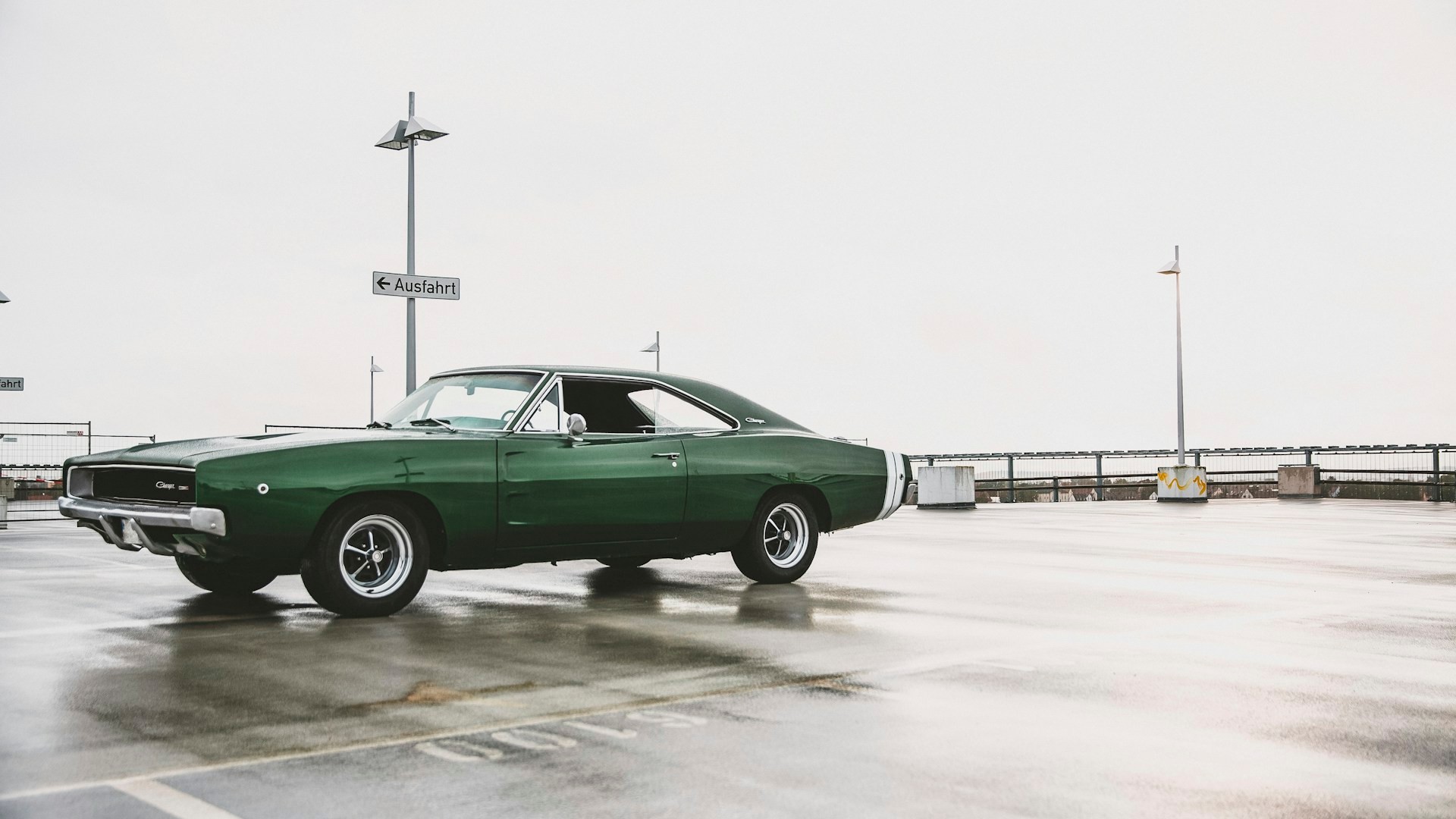
It crossed the block at Mecum’s Dallas/Fort Worth auction in Hemi Orange paint, with its engine displayed right next to it.
Report: autoevolution
The Engine Nobody Brags About Until They Hear The Numbers
The 426 Hemi is arguably Chrysler’s most famous engine from the golden era. The 440 in four-barrel form does not come close, with 375 horsepower and 480 pound-feet of torque.
The six-barrel version is a different animal. Chrysler introduced it for 1969 with three two-barrel Holley carburetors, 390 horsepower and 490 pound-feet of torque, the same torque rating as the Hemi.
It rides on the RB block, a raised-block version of Chrysler’s B engine that debuted in 1959 and grew to 440 cubic inches in 1965.
Only Two Cars Could Get It In 1969, And This One Is A Super Bee
In its first year, the 440 Six-Barrel was offered only in the Dodge Super Bee and the Plymouth Road Runner. Both were affordable muscle cars that had arrived the year before.
The engine came as part of the A12 package, built for drag racers. It added heavy-duty cooling, a Dana 60 rear end with 4.10 gears, heavy-duty brakes and Hemi-spec suspension.
Then the party ended fast. Chrysler dropped the A12 package for 1970, and the six-barrel moved into the Charger R/T, the Plymouth GTX, the Challenger, the ‘Cuda and the full-size Plymouth Sport Fury GT.
Fewer Than 14,000 Vehicles Ever Got One
Across all the Dodge and Plymouth models that offered it, the six-barrel showed up in fewer than 14,000 vehicles. Chrysler discontinued its high-compression V8s after the 1971 model year.
This particular car is one of 1,907 Super Bees built for 1969. It is also one of 826 with the four-speed manual transmission.
It has the correct fiberglass lift-off hood that came with the A12 package, plus its original numbers-matching drivetrain and Dana rear end.
A Refresh, Not A Full Restoration
The car was refreshed a few years before the sale, but it is described as highly original. That matters to buyers who care more about authenticity than a mirror-bright showpiece.
The final price of $151,250 included the buyer’s premium. Some reports round that to $150,000.
For a car with this much drag-strip DNA, that is a strong number, but it is a long way from what a documented Hemi example could bring.
The Same Weekend Proved Mopars Are On Fire
The Super Bee was not alone. At the same Dallas/Fort Worth sale, a triple-black 1971 Plymouth ‘Cuda brought $385,000 and a 1970 Plymouth Superbird brought $368,500.
A pink 1970 Road Runner convertible with a plain 383 went for $269,500. When even the non-Hemi cars hit those numbers, a Six-Barrel Super Bee at $151,250 starts to look like a bargain.
The Cheap Muscle Car That Grew Up
Plymouth launched the Road Runner in 1968 as a stripped-down machine for young buyers, and it sold 44,599 cars in that first year. Dodge answered with the Super Bee the same year.
By 1969 the Road Runner set a nameplate record with 84,420 sold. Those were sales numbers that made Detroit pay attention.
Today the best examples are worth many times their original sticker. That is the part many longtime fans love to hear.
What To Check Before You Pay For A Muscle Car With A Package Name
The letters A12 are a perfect example of why paperwork matters. Cars wearing that package are worth far more than a standard Super Bee, so some sellers add the look without the hardware.
Ask for the build documentation and compare it with what is actually on the car. The fiberglass hood, the rear axle and the cooling hardware should all be correct for the package.
Pay close attention to the engine stampings and the VIN. If the numbers match the car, you are buying the real thing, and if they do not, the price should drop to reflect it.
Take a good flashlight and look at the floor pans, trunk drop-offs and the rear frame rails. Even a refreshed car can hide rust or old repairs behind fresh paint.
Remember that a drag-package car may have been raced hard in its first life. Check for a straight frame, clean suspension mounts and a rear axle with no leaks or whine.
Finally, set aside money for the basics. Fresh brake lines, new fuel hoses, a cooling system flush and good tires are not glamorous, but they keep a 390-horsepower car from becoming a very expensive lesson.
The Super Bee has always been the cheaper cousin of the Road Runner. Auctions like this one prove that cheaper cousins grow up to be very wealthy.
More Stories You May Like
- Pete Borrowed About 500 Dollars From Mom To Get Their Stolen 1978 Trans Am Back Then Sold It For Salvage And 40 Years Later Finally Sees The Rebuilt Dream Car
- Extended Warranty Fine Print Often Leaves Out Wear Items And Prior Repairs, So Read The Exclusions Before You Sign Anything That Says Covered
- Lifetime Fluid Does Not Mean You Never Have To Service It, And Skipping Transmission And Differential Service Because Of That Label Can Set You Up For A Costly Surprise