

The only Shelby Daytona Coupe that Carroll Shelby ever owned just sold for $42,905,000. That makes it the most expensive American car ever sold at auction.
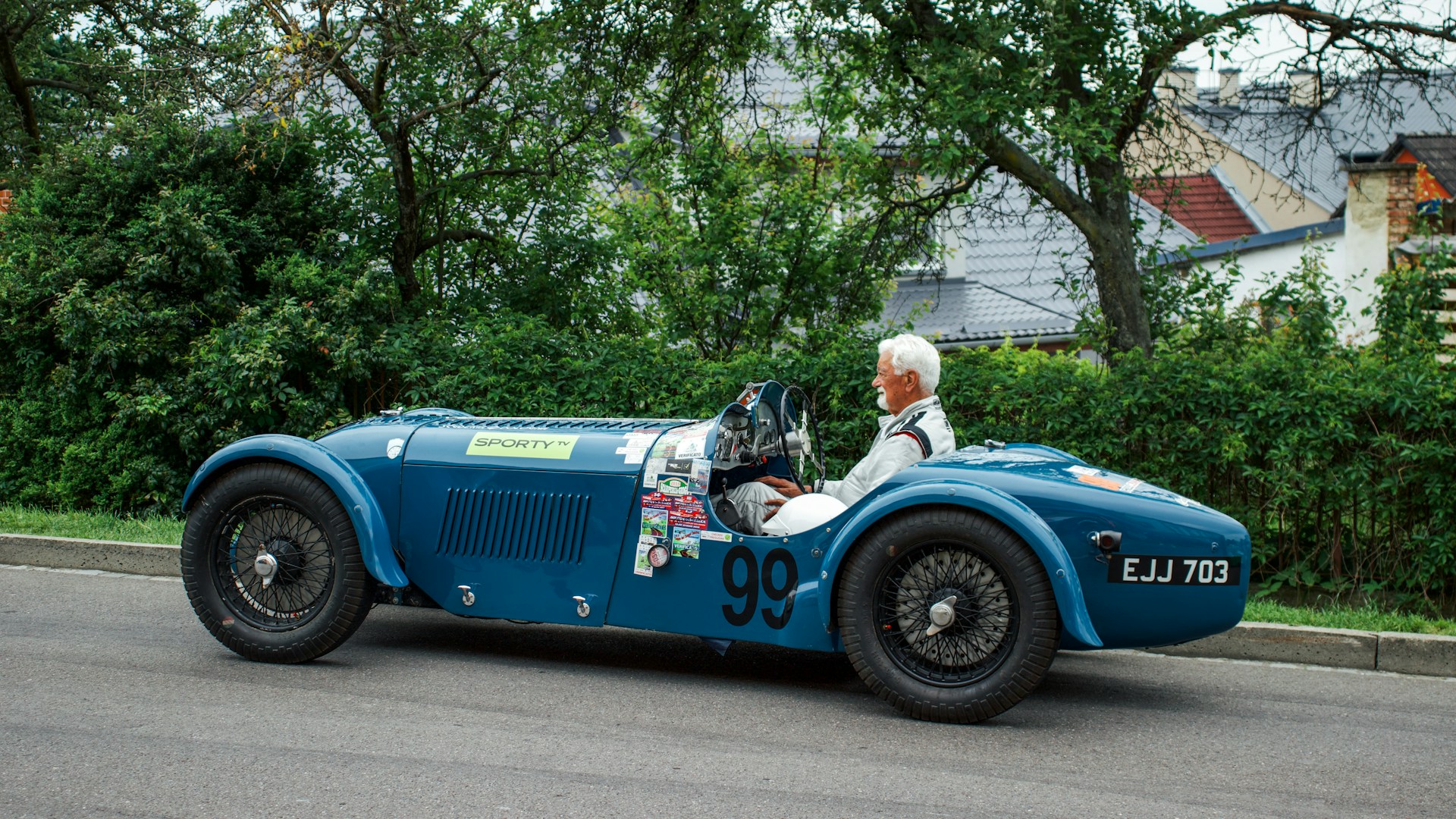
The car is a 1964 Shelby Cobra Daytona Coupe, chassis CSX2300, and it sold at Gooding Christie’s.
Report: Supercar Blondie
Bidding Roared Past The $25 Million Estimate
Before the sale, the guidance was “more than $25 million.” Bidding climbed to $39 million before the hammer fell at $42,905,000.
That crushed the old record for an American car. The previous mark was a 1935 Duesenberg SSJ that sold for $22 million at Pebble Beach in 2018.
The new price is nearly double that figure.
Third Of Six Coupes Ever Built
CSX2300 is the third of six Daytona coupes. The report calls it the only Daytona that Carroll Shelby owned himself.
Designer Peter Brock shaped the Daytona to beat the Ferrari 250 GTO on the track, and this one has the race history to prove it.
Its résumé includes the Daytona Continental, Sebring, the Nürburgring, the Tour de France and Reims.
Still Far Behind The World’s Most Expensive Car
The record for any car sold at auction remains $142 million, paid for a 1955 Mercedes-Benz 300 SLR Uhlenhaut Coupe. In second place is a 1954 Mercedes-Benz W196, bought for $53,917,370 in February 2025.
So the Daytona Coupe has plenty of room to climb, but for an American car, this is a giant leap.
Other Auction Surprises The Same Report Mentions
A rare 2005 Porsche Carrera GT sold for nearly $5 million on eBay. Michael Jordan’s custom Ferrari 550 Maranello sold after 24 years out of the spotlight.
A one-off Cadillac from a Michigan junkyard sold for nearly $500,000, 70 years after the owner saved it from destruction by defying General Motors’ orders to crush it.
Together those results show how fast the collector market keeps moving.
Why Carroll Shelby’s Name Still Moves The Needle
Shelby is the man behind the Cobra, the Daytona Coupe and the Shelby Mustangs. Any car connected to his own hands, his own history or his own garage carries extra value.
That is a lesson in provenance. Provenance means the documented story of a car, and in the collector world a great story can be worth millions.
How Provenance Works For Ordinary Cars
You do not need to own a Daytona Coupe to benefit from provenance. A well-kept folder of paperwork adds value to any classic car.
Keep the original window sticker, bill of sale, owner’s manual and service records. Photos of the car through the years add to the story.
If a famous person, a racing team or a notable event is part of your car’s history, gather proof. Letters, photos and signed statements carry weight at sale time.
Organize everything in one binder. A clean, tidy folder shows the next owner you cared about the car.
How Auction Estimates Really Work
An auction house publishes an estimate or guidance to give bidders an idea of where a car might land. It is only a guide, and a car with the right history can blow right through it.
Here the guidance was “more than $25 million.” The final result was about 70% higher than that starting point, which shows how hungry bidders were.
When two or more serious buyers want the same car, the price becomes less about numbers and more about pride.
Why A Racing Pedigree Pays
This coupe competed at Daytona, Sebring, the Nürburgring and Reims. Those are the circuits that built the Cobra’s reputation, and each race adds to the car’s story.
Peter Brock designed the Daytona with a single purpose, beating the Ferrari 250 GTO. A car that took on the best of Europe and became a legend is hard to replace.
Only six were built, and each one now sits in a rare club. The sale shows how much collectors pay to own a piece of that history.
What Everyday Muscle Car Fans Can Learn
You may not own a Daytona Coupe, but the lesson about originality applies to every Cobra, Mustang and Shelby replica out there.
Know what you own. Real Shelby cars carry registry records, and the Shelby American Automobile Club can help owners document them. Replicas and tribute cars can be a great deal of fun, as long as everyone is honest about what they are.
What The Sale Says About The Market
Even though a few ultra-rare cars bring huge money, the rest of the collector market has seen price swings. Buyers should focus on condition, history and cost of upkeep before chasing headlines.
If a car moves you, buy the best one you can afford. Pay for condition up front rather than hoping for a bargain you will end up spending money to fix.
And keep the fun in it. The best part of any classic car is the drive, the friends you meet at the cruise-in and the stories you collect along the way.
More Stories You May Like
- New Car Payments Hit A Record $787 A Month, And 25.5% Of Loans Run 84 Months Or Longer, While Total Interest Averages About $9,938
- AAA Tested Hybrids And EVs At 20 Degrees And Found Hybrids Lost 22.8% Of Fuel Economy While EVs Lost 39.0% Of Their Driving Range
- Jeremy And His Crew Rig A Cable And A Magnet To Haul A Sunken Car Out Of A River While Debating Whether The Front Axle Is Strong Enough