

A 1964 Chrysler 300 came out of a barn in Versailles, Ohio, with only 42,800 miles on the odometer. It has stayed in the same family since new, and the asking price is $5,000.
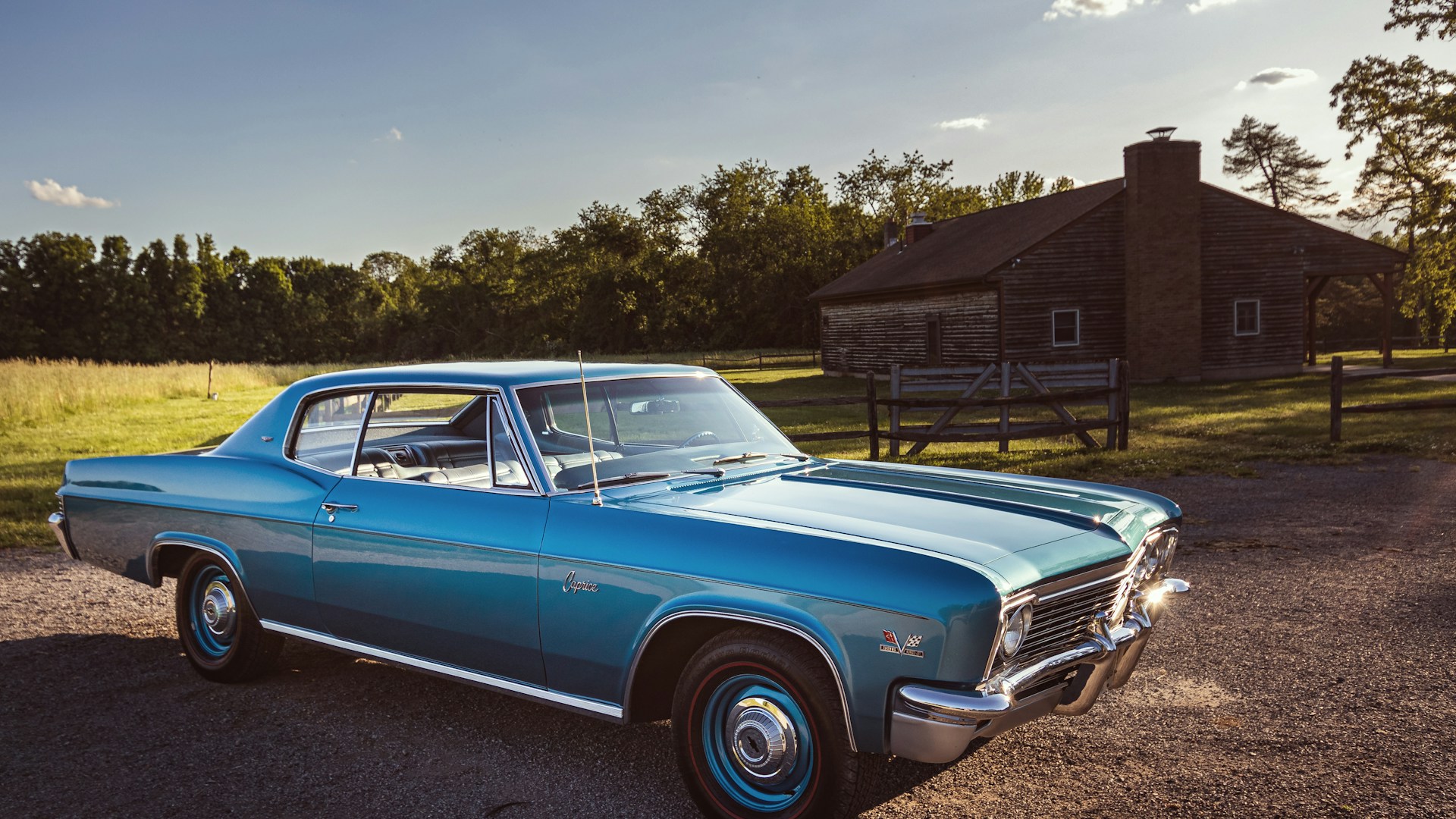
The two-door hardtop is listed on Facebook Marketplace, and its original numbers-matching 383 V8 is still under the hood.
Report: autoevolution
It Spent Years Parked Up Off The Ground
The car shows surface rust, worn paint and a dusty interior. Even so, the report considers it in very good condition for a car that sat for a long time.
The key detail is how it was stored. It was parked off the ground, which protected the frame from rust and kept rodents out of the interior.
Because it has stayed with one family since new, the report says that probably explains the care it received over the years.
The Letter Cars Get The Fame, But The Plain 300 Sold In Droves
Chrysler introduced the C-300 in 1955 as a flagship high-performance coupe. That started the letter series, which ran through 1965 and sold 16,981 cars across 11 model years.
In 1962, Chrysler added a second, non-letter 300. It was cheaper, it lacked some of the letter cars’ exclusive features, and it did not have the special high-performance engine.
The non-letter 300 stayed in production until 1971 and sold more than 270,000 cars across 10 model years.
What Was Under The Hood In 1964
The standard engine for the non-letter 300 in 1964 was a 383-cubic-inch two-barrel V8 rated at 305 horsepower. A 413-cubic-inch V8 with 360 horsepower was the option.
This car carries the numbers-matching 383, which is the engine it was born with. Total 1964 production was 26,887 cars, and about half were two-door hardtops.
This one is one of 13,401 two-door hardtops produced, and the report suggests that possibly fewer than 10,000 of them had the 383 V8.
The Price Is Low, But The Bill Will Not Be
At $5,000 the car looks cheap. The report is clear that getting the V8 running and refreshing the car inside and out will cost a significant amount.
That is the trap with any barn find. The purchase price is only the entry fee, and a car this size takes a lot of parts, paint and labor to bring back.
Still, a clean frame, a numbers-matching engine and a single-family history are exactly the things restorers look for first.
A Land Yacht With Real History
The Chrysler 300 was a prestige car. The letter series was the hot rod of the full-size world, and the plain 300 gave families a stylish, powerful hardtop at a lower price.
Many readers who grew up around these cars remember the long hood and the smooth ride. A restored example turns heads at any cruise night.
Questions To Ask Before You Drive To Ohio
Ask how long the car sat and where. A dry barn is very different from a field, and the answer tells you what the underside will look like.
Ask for photos of the floors, the trunk and the frame rails. Surface rust on the body is one thing, but holes in the structure are another.
Ask for any paperwork the family kept, such as the title, the original window sticker or service records. A single-family car often comes with a stack of papers, and they raise the value.
Ask whether the engine turns freely by hand. That one simple test can separate a solid project from a very costly engine rebuild.
Why A Plain 300 Can Be A Smart Buy
The letter cars get the glory and the high prices. The non-letter 300 gives you much of the look and the big-car feel for far less money.
Parts for the 383 engine are plentiful because the same engine family powered many Chrysler products. That makes the mechanical side of a restoration easier than people expect.
How To Wake Up A Car That Has Been Parked For Decades
Do not just turn the key. Start by checking the oil and coolant, then look for signs of mice or insects in the engine bay and under the seats.
Drain the old fuel and clean or replace the tank, lines and carburetor. Old gasoline turns to varnish and can ruin a fuel system quickly.
Pull the spark plugs and add a little oil to each cylinder. Turn the engine by hand to make sure it moves freely before using the starter.
Replace the brake fluid and inspect the lines, hoses and wheel cylinders. Old brake systems are one of the biggest hazards in a car that has not moved in years.
Plan to replace all the rubber, including tires, belts, hoses and wiper blades. Even a car with 42,800 miles has parts that dried out while it sat.
Take it slowly and keep notes. The most rewarding projects are the ones where the owner keeps a record of every step, since that history adds value later.
More Stories You May Like
- Used Car Dealer Walks A Dealer Auction Lane And Shows What Dealers Really Pay As A 2009 4Runner With 178,000 Miles Has Him Calling The Prices Insane
- Classic Car Fans At A Long Beach Swap Meet Found A 1937 Coupe With A Continental Kit And A 1979 Firebird Priced At 10000 Dollars
- Family Rewires A Trailer To Go Get Another Car And Looks Back On The Day They Helped Pull A Black 67 GTX Out Of A Dirt Floor Garage