

Your dash lights up like a small Christmas tree, and your stomach drops. Which ones are a nuisance, and which ones mean pull over now?
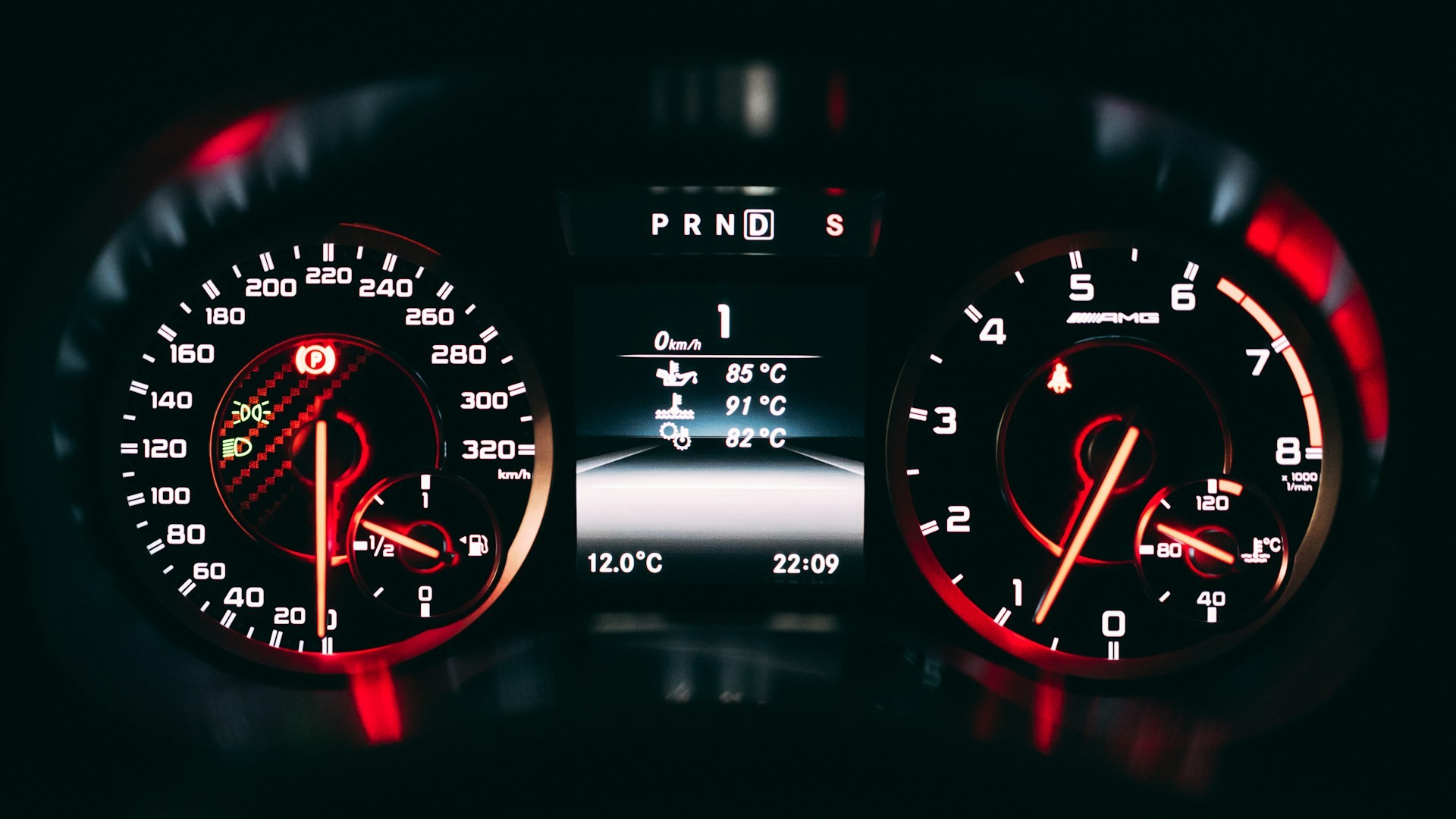
Kelley Blue Book, the National Highway Traffic Safety Administration (NHTSA) and AAA all publish guidance on dashboard lights. Here are 10 that deserve attention, with what those sources say to do.
Designs vary by make and model, and Kelley Blue Book advises consulting your owner’s manual if you are unsure what a light means. AAA adds a simple color rule: green lights need no action, yellow or amber lights need attention soon, and red lights mean you should pull over as soon as you can.
The Red Oil Pressure Light Can Wreck An Engine
Kelley Blue Book’s warning light guide says to top off the oil if it is low. If the light returns, the guide says to suspect a bigger problem.
Extended driving with it lit, according to KBB, “could severely damage the engine’s inner workings.”
The Red Engine Temperature Light Means Overheating
KBB says a red engine temperature light means the engine is overheating, and that you should not drive far. Its instruction is: “Pull over and call for help.”
AAA’s coolant level advice is to stop and let the engine cool down before checking the cooling system.
The Battery Light Points To A Failing Charging System
KBB describes the red battery light as a sign the charging system is failing, and says ignoring it means the system will eventually fail.
AAA recommends a battery inspection to determine whether the issue is with the battery or the charging system.
The Red Brake System Light Is Not Just The Parking Brake
KBB says the red brake system light can be a parking brake reminder, or a sign of worn pads or low fluid. If topping off the fluid does not clear it, the guide says to get the system serviced.
AAA’s dashboard light guide says to address a brake pad warning as soon as possible.
A Check Engine Light Is Not Something To Shrug Off
“Do not ignore the warning,” says KBB. A check engine light is usually orange, and red or blinking is more serious.
If it is red or blinking, KBB says to pull over safely and turn off the engine, since diagnostic testing may be needed. AAA’s maintenance advice is to schedule a diagnostic at an auto shop sooner rather than later.
The Airbag Light Means The Safety System May Not Work
KBB notes the car runs normally with the airbag light on, but says a trained technician should fix it “ASAP.” AAA says you want to get your car checked soon.
KBB lists the airbag light without a color, so check your manual for how your car shows it. The point is that the car keeps driving normally while the safety system sits in question.
The Tire Pressure Light Can Mean A Damaged Tire
KBB says the orange tire pressure light is usually an underinflated tire. Inflate to the correct pressure, and if the light stays on after a few miles, the tire may be damaged.
NHTSA’s tire safety page says a steady light means at least one tire is significantly underinflated, and to check pressure as soon as possible. If the light flashes for 60 to 90 seconds and then stays on, the system may be malfunctioning and you should contact your dealer for an inspection.
A Traction Control Light That Stays On Needs A Look
KBB says an orange traction control light can simply mean the system is active, noting “the traction control system is doing its job,” so no action is needed in that case. A light that stays on is a different matter.
AAA’s guide says if the traction control light stays on, the system is likely not working as it should.
The Transmission Temperature Light Warns Of Overheating
KBB says this orange light means the transmission is overheating. Causes include low fluid, failing parts or heavy towing.
The guide says to rest the vehicle, or go to a service center if the light stays on.
The ABS Light Does Not Mean The Brakes Are Gone, But It Still Matters
KBB says the antilock brake system light means the ABS function is compromised. It stresses that the light “does not signal total brake failure,” and that in an emergency you should keep pressing the pedal.
AAA says the ABS warning may mean the system is inactive. Ask a technician to check the system, and read your owner’s manual for how your car displays the light.
A simple habit helps with all ten. Note the color: red means act now, orange or yellow means schedule a visit soon, and green is informational.
When in doubt, check the manual, and call a roadside service or a mechanic. AAA notes its emergency roadside assistance covers situations like flat tires and sudden overheating.
The lights themselves are not the enemy. They are the car’s way of speaking up before a small problem becomes a big bill or a roadside emergency, and the agencies and publications quoted here agree that listening early is the cheaper path.
More Stories You May Like
- Spongy Brake Pedals, Pulling To One Side And Steering Shimmy Are Suspension And Brake Warning Signs That Are Cheap To Fix Early And Very Costly To Ignore
- DIY Car Jobs Like Bulbs And Filters Can Save Real Money, But Brakes, Airbags And Fuel Lines Are The Ones That Bite Back, So Know The Difference
- Lifetime Fluid Does Not Mean You Never Have To Service It, And Skipping Transmission And Differential Service Because Of That Label Can Set You Up For A Costly Surprise