

Hybrids have been on American roads for decades, yet the rumors about them just keep rolling. Ask around at the coffee shop and you will hear that the batteries die, the savings are a sales pitch, or that you have to plug them in like a phone.
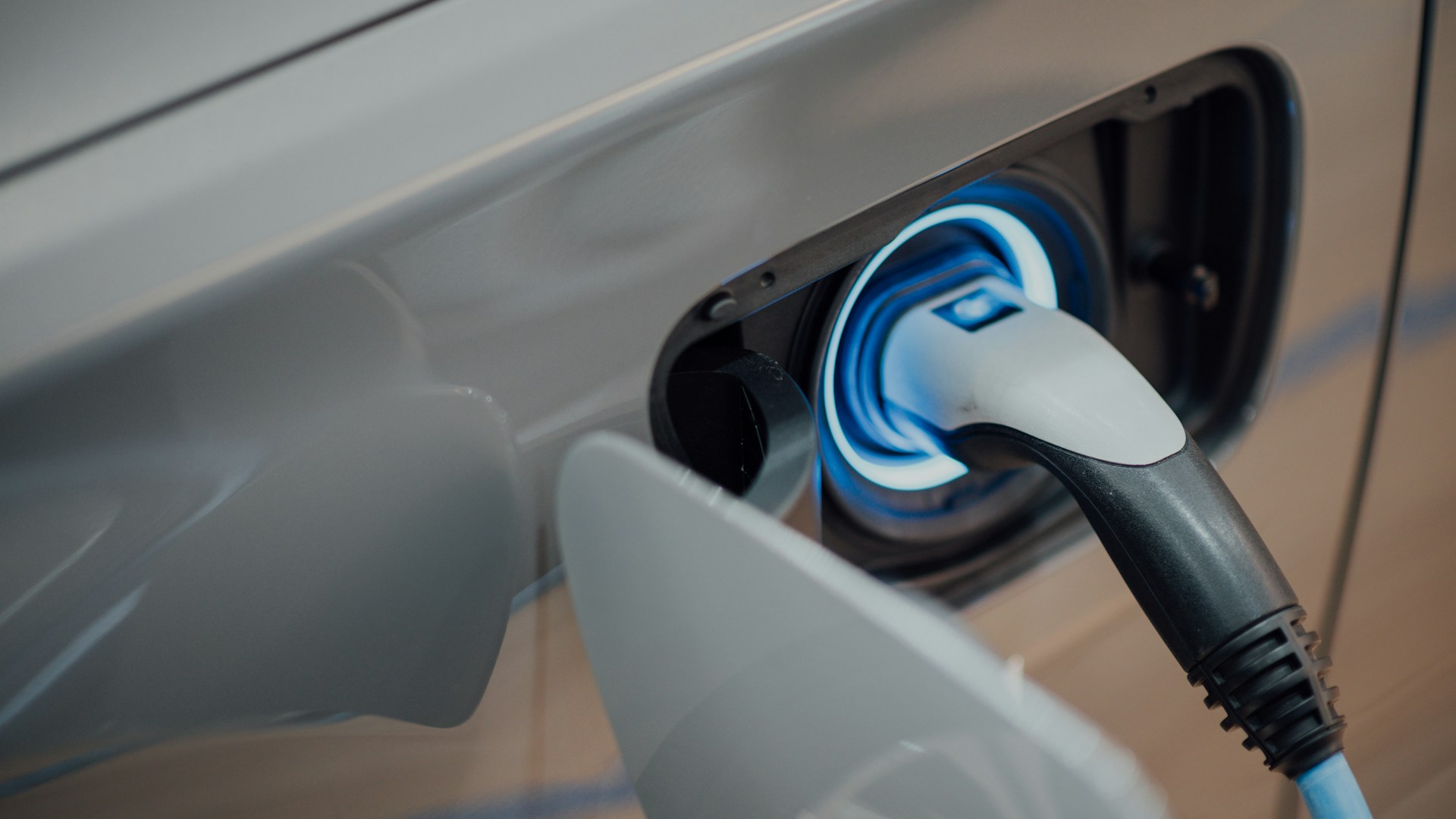
Let us sort fact from fiction using current numbers from the U.S. Department of Energy, Consumer Reports and Kelley Blue Book. Here are 7 common myths about hybrid cars and what the sources say.
Myth 1. You Have To Plug A Hybrid In
This one mixes up two different kinds of vehicles. The Department of Energy’s Alternative Fuels Data Center states that a standard hybrid electric vehicle “cannot plug in to off-board sources of electricity to charge the battery.”
Instead, the car charges itself. The agency says the battery gets its energy from regenerative braking, which captures energy otherwise lost when slowing down, and from the gasoline engine. Plug-in hybrids are a separate type of vehicle that you do charge.
Myth 2. The Battery Will Die And Cost A Fortune
Many people worry about a surprise battery bill. Kelley Blue Book reported in March 2025 that federal rules require hybrid and electric vehicle batteries to be warranted for at least eight years or 100,000 miles.
Consumer Reports adds a dose of realism. In its 2026 hybrid guide, it says replacing a hybrid battery can cost thousands of dollars, but its surveys show such replacements are rare.
Kelley Blue Book also notes that plug-in hybrids have their own rule. The EPA requires their high-voltage batteries to be covered for eight years or 80,000 miles.
Myth 3. Hybrids Are Less Reliable Than Regular Cars
It seems logical that more parts would mean more problems. Consumer Reports’ survey, updated December 2025 and covering owners of about 380,000 vehicles, found the opposite.
The magazine says hybrids have 15% fewer problems on average than gas-only cars. It credits the maturity of the technology, noting that “hybrids have been around for nearly three decades,” and it points to hybrids from reliable brands such as Honda, Lexus and Toyota.
It does say plug-in hybrids are more complex, so reliability can differ for them.
That reliability edge is one reason a used hybrid with a few years on it can be an appealing buy, as long as you check its history and warranty status first.
Myth 4. Hybrids Are Slow And Boring To Drive
The old image of a hybrid is a quiet little car crawling away from a stoplight. Consumer Reports’ tests tell a different story.
It says many hybrid versions have more power and smoother acceleration than their gas-only versions, and that hybrids score higher in its road tests on average.
Hybrids do come in different flavors, though. The Department of Energy says full hybrids have larger batteries and can run briefly at low speeds on electricity, while mild hybrids cannot drive on electricity alone and offer smaller fuel savings.
Myth 5. The Fuel Savings Are Mostly Hype
Consumer Reports says most hybrid SUVs get over 35 mpg and most hybrid sedans get over 45 mpg. That works out to about 40% better fuel economy than nonhybrids on average.
The Department of Energy’s fueleconomy.gov explains one reason: the engine can shut off automatically when the vehicle stops and restart when you press the accelerator, which cuts wasted energy from idling.
Consumer Reports also estimates hybrid emissions are up to one-third lower. For many drivers, that is a nice extra on top of the savings at the pump.
Myth 6. A Hybrid Costs Too Much To Ever Pay Off
It is true that hybrids usually cost more up front. Consumer Reports puts the average at about $1,700 more than a nonhybrid, though some Ford and Lexus models cost about the same as a comparably equipped nonhybrid.
The magazine says most hybrids pay back that higher price in four years or less, assuming gas at $3.32 per gallon and 12,000 miles a year. Drive more, and the payback comes faster.
The Prius, the car that many people picture when they hear the word hybrid, often ranks at the top of Consumer Reports’ reliability surveys.
Myth 7. Hybrid Brakes Wear Out Faster
Some folks assume extra technology means extra repair bills. When it comes to brakes, Consumer Reports says the opposite: regenerative brakes reduce brake wear.
The reason is simple. When the electric motor helps slow the car by turning motion back into electricity, the friction brakes get a break.
Of course, regenerative braking does not mean brakes last forever. They still wear, so follow your owner’s manual and have them inspected on schedule like any other car.
What To Check Before You Buy
None of this means every hybrid is the right choice for every driver. Prices, models and gas costs vary, and your own mileage will shape the savings.
Read the battery warranty for the specific car you are considering, since terms can differ by maker. Ask for the maintenance schedule and look at reliability ratings for the exact model.
The bottom line is that the facts are friendlier to hybrids than the rumors. Test drive one, run the numbers for your driving, and decide with real figures instead of coffee shop folklore.
More Stories You May Like
- Crank No Start Mystery Solved When a Mechanic Skips the Hard Tests, Checks Fuel and Spark First and Finds a Bad Relay Reading 672 Ohms
- Rainy Day Barn Hunt in the Woods Turns Up Two Reliant Scimitars, a BMW 323i and a 1928 Bentley That He Says Could Sell for £400,000
- He Bought a Barn Find 1967 Chevelle Convertible as a Total Gamble, Then the VIN Revealed a Genuine 396 SS Missing Its Engine and Transmission