

The most important part of any ride happens before the engine turns over. A few minutes with a flashlight and a quick walk around the bike can catch a soft tire, a dead brake light or a slow leak before the road makes the discovery for you. Riders have a lot to gain from it, because the numbers on the other side of the ledger are sobering.
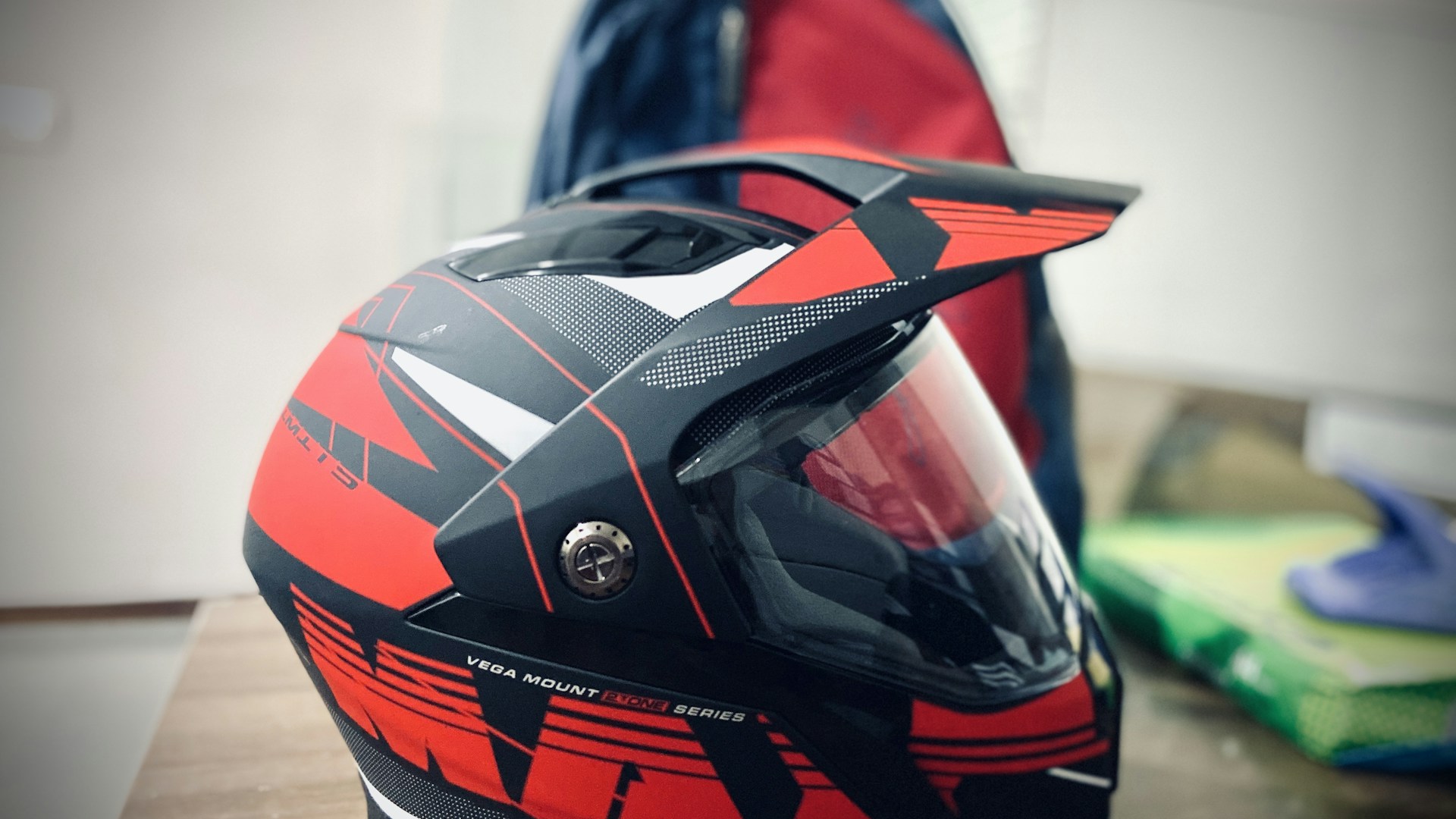
According to the National Highway Traffic Safety Administration, 6,228 motorcyclists were killed in 2024, or 16% of all traffic fatalities. Per vehicle mile traveled that year, motorcyclists were almost 27 times more likely than passenger car occupants to die in a crash. Many factors are behind that, from other drivers to rider choices, but a bike in good shape is the part you control before you ever leave the driveway.
NHTSA’s pre-ride advice boils down to six checks. Training courses teach the same ground with a memory aid known as T-CLOCS, which stands for tires and wheels, controls, lights and electrics, oil and fluids, chassis and stands. The Motorcycle Safety Foundation, which Wikipedia says was founded in 1973 as a not-for-profit, develops research-based rider training. Here is how to put the six checks into practice.
Check Your Tire Pressure And Tread Every Time, Because Two Small Patches Are All You Have
NHTSA says to check tire pressure and tread depth. A motorcycle meets the road with just two contact patches, and a tire that is low on air will wear unevenly, handle poorly and heat up faster.
Use a gauge and check the pressure while the tires are cold, using the number in your owner’s manual or on the bike. Then look over the tread and sidewalls for cracks, bulges, nails or screws. If you see something you do not like, do not hope it holds.
Test Both The Hand Brake And The Foot Brake Before You Roll Out
NHTSA’s list says to test both hand and foot brakes. It takes seconds. Squeeze the lever and press the pedal, and make sure each one feels firm and returns freely.
A spongy lever or a pedal that sinks is a warning that something is wrong in the system. Check the pads, the fluid and the lines, or let a shop do it, and do not take the bike out until it stops the way it should.
Confirm The Headlight And Turn Signals Work, Because Being Seen Is Half The Battle
NHTSA tells riders to confirm that headlights and signal indicators work. Walk around the bike and test the high and low beams, the brake light and each signal, front and rear.
Bulbs fail without warning, and a dead brake light is invisible to the rider who is sitting on top of it. A helper standing behind the bike can make the check even faster.
Look At The Fluid Levels Before They Become A Problem
The fourth item is to check fluid levels. That means engine oil, coolant if your bike has a liquid-cooled engine, and brake and clutch fluid where applicable. Your owner’s manual shows where each one lives and what the right level looks like.
Low fluid is easier and cheaper to fix in the driveway than on the shoulder. A habit of looking at the same spots each time makes changes stand out.
Look Underneath For Signs Of Oil Or Gas Leaks
NHTSA also says to look for signs of oil or gas leaks. Glance at the ground where the bike was parked and look over the engine, the fuel lines and the area under the tank.
A fresh drip is a message. It could be a loose fitting or a worn seal, and neither gets better on its own. Gas leaks are especially serious because of the fire risk, so take them seriously.
Secure And Balance Your Cargo, Then Adjust The Bike For The Extra Weight
If you are carrying gear, NHTSA says to secure and balance the load and to adjust the suspension and tire pressure for the extra weight. A bag that shifts or hangs off to one side changes how the bike handles, and a loose strap can wrap around a wheel.
Carry heavy items low and close to the center of the bike, and give every strap a final tug. Check again at your first stop.
Make The Check A Routine, Not A Chore
The trick is to do it the same way every time. Start at the front tire, work around the bike and finish at the rear, so you never skip a step because you were in a hurry.
Keep a gauge, a small flashlight and a rag in a bag with the bike. When the tools are handy, the check takes only a few minutes.
Pair the check with the other choices you control. NHTSA reports that in 2024, 40% of riders who died in single-vehicle crashes were alcohol-impaired, 35% of operators in fatal crashes did not have a valid motorcycle license, and DOT-compliant helmet use was 74% in 2023. A solid bike, a valid license, a certified helmet and a clear head are the combination that gets you home.
More Stories You May Like
- Never Shopping Around On Car Insurance Can Mean Paying A Loyalty Tax Every Month, So Compare Quotes And Ask About Discounts Before Your Next Renewal
- Jeep Recalls 201,975 SUVs Because A Software Error May Keep The Low Tire Pressure Warning Light Off, So Grab A Gauge And Check Your Tires Yourself
- Dealer Financing Markups And Long Loans Can Leave You Upside Down On Your Car, So Get Pre Approved And Know Your Loan Term Before You Sit In The Finance Office