

The hammer has come down, the crowds have gone home, and the cars nobody bought are still sitting in the yard. That is when the boss of a British classic car auction house takes a slow walk past them and works out what went wrong.
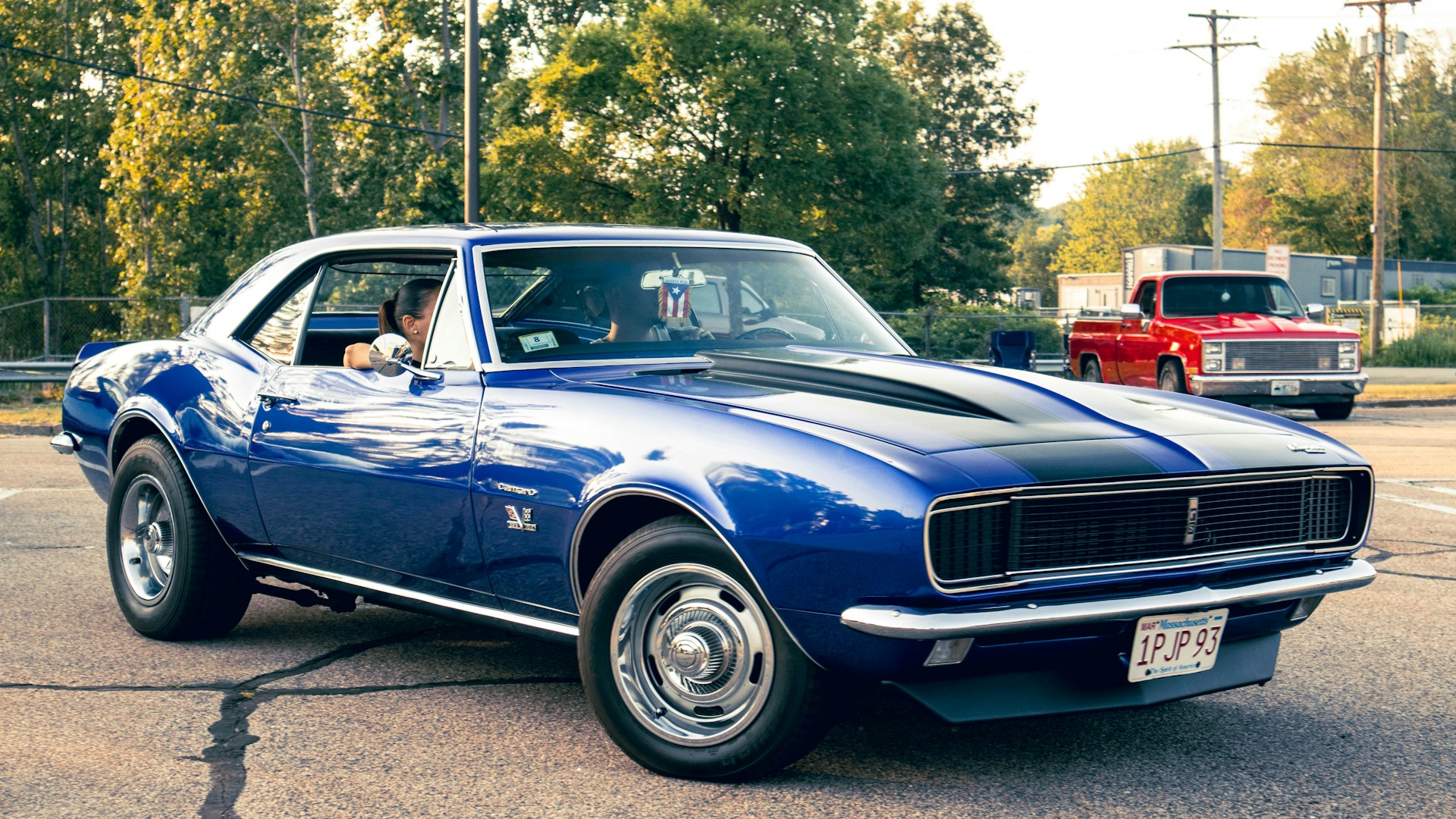
In a video on the @MathewsonsClassicCars channel, he and a colleague wander the unsold lots from the September sale. His first big surprise was an American muscle car priced fairly that still found no buyer.
“That really should have sold,” he says, because the money was not out of the way. The reason, he explains, is one he has seen over and over.
“99.9% Of The British Buying Public Are Anti Left Hand Drive”
American muscle cars are a “difficult sale” in the UK, he says. About 99.9% of them are left hand drive, and he says 99.9% of British buyers do not want one, because they like the steering wheel on their own side of the car.
Even when a car was only ever built with the wheel on the left, he says, buyers over there stay reluctant. That is a tough starting point before a bidder even looks at the price.
Still, he calls it “a lot of car for the money” and says he is surprised it did not find a new home. They tried, and it did not work.
The Rule Of The Yard: The Further From Factory, The Smaller The Crowd
The same lesson showed up again and again down the line. A little Ford Fiesta built as a track car sat unsold, and he says it is a bus ride away from how it left the factory, so the market shrinks fast.
A modified RS 2000 had the same trouble. In his words, if it were a respectable factory spec road car it would have sold, but a narrow customer base is the price of going off on a tangent.
A Vauxhall Magnum met the same fate. “The further you go away, the more difficult it is and the more narrow your customer base becomes.”
A colleague pointed out an exception. A Humber with lots of upgrades did well last sale and drew tremendous interest, and he laughed that there is always one that goes against the flow. Put another one in next time, he bets, and it would not sell.
The E-Type Roller Coaster, With A Show Where Twin Cars Were Priced £30,000 Apart
Then there is the Jaguar E-Type. He says it is the one everyman classic whose value is always bouncing around, whether it is a Series 1, 2 or 3.
He gave an example. A couple of years ago he went to the London Motor Show, which he says might as well have been called the Jaguar E-Type and Aston Martin Show.
The only difference between a nice Series 2 on one stand and a nice Series 2 on another was color and seller, he says. One was priced at £75,000 and another at £105,000, a £30,000 gap. He puts it down to one seller simply trying to make a living.
The E-Type in his yard had been listed at £39,000, and he says the price is dropping closer to £35,000. He expects it to sell next time.
A Bright Orange Lotus That Should Have Been A Sure Thing
The Lotus was another head scratcher. At around £20,000 to £25,000, he says, it should have sold, because it is the cheapest of the bedroom poster cars and the most affordable supercar going.
His theory is a silly one that he says he does not mean unkindly. Bright orange is not everyone’s favorite color, and if it had been metallic blue, white or red, it may have gone.
He adds that when people put serious money into a car like that, they want the color they prefer.
He Turns Down 11 Of Every 12 Campers, And The Vans Were A Few Thousand Too High
He confesses he is a fan of Volkswagen campers. On a good week he is offered 10 or 12 of them, and he says if he is offered 12, he turns down 11.
The reason is usually the steering wheel on the wrong side, the condition, the price, or a mix of all three. Campers sometimes sell for £25,000 to £35,000, he says, but he has not met anyone who actually paid that much.
The standard van looked fantastic in photos, but it has some paint crazing. Is it a £10,000 van? “Hand on my heart, I don’t think it is,” he says. He thinks it is a £7,500 van.
An Anglia van was also a little too high on money. He is happy to run both vans again with adjusted reserves, because they are unusual and you do not see them every day.
Still A Good Sale, With The Bike Shed Buzzing
Despite the leftovers, he calls it a really good sale, with Wednesday, Thursday and Friday all buzzing and plenty of cars selling under the hammer.
He says owners with a £10,000 reserve who get a best offer of £8,500 or £9,000 often move on. If they put that money straight into their next car, it works out like moving house, since the gap between a high market and a low one might be two years.
He says the industry reached a new level in the last months of 2023, and everyone has gotten used to it. The motorbike side, quiet for a year or two, has picked up and moved a good number of bikes this sale.
What Sellers And Buyers Can Learn From The Unsold Pile
- Keep your car close to factory spec if you want the widest set of buyers.
- If you are importing a left hand drive classic to Britain, expect a smaller crowd.
- Check recent results before you set a reserve, since a little too much money can sink a good car.
- Do not blame the car. Color and condition count more than people admit.
- If a car misses, put the money into your next purchase and move on.
As he sums it up, in an ideal world you sell high and buy low. If a car does not sell, he says, most of the time it comes down to price or being too far from how the maker built it.
More Stories You May Like
- 8 Rare American Muscle Cars Built In Tiny Numbers That Collectors Still Chase, From FBI Special Order Sedans To A Hemi ‘Cuda Convertible That Sold For $3.5 Million
- 10 Dealer Add Ons Consumer Reports And Other Experts Say Buyers Should Think Twice About, And How Each One Can Quietly Inflate The Final Price
- 8 Silent Battery Drains That Can Leave A Car Dead In The Driveway, From Plugged In Gadgets To A Key Fob Parked Too Close