

The Trojan horse looked like a fabulous gift too, right up until it was inside the gates. That is how the host of the @Number27 channel describes the 2008 Audi RS6 V10, a wagon with 580 horsepower that now sells for roughly what a used Volkswagen Golf costs.
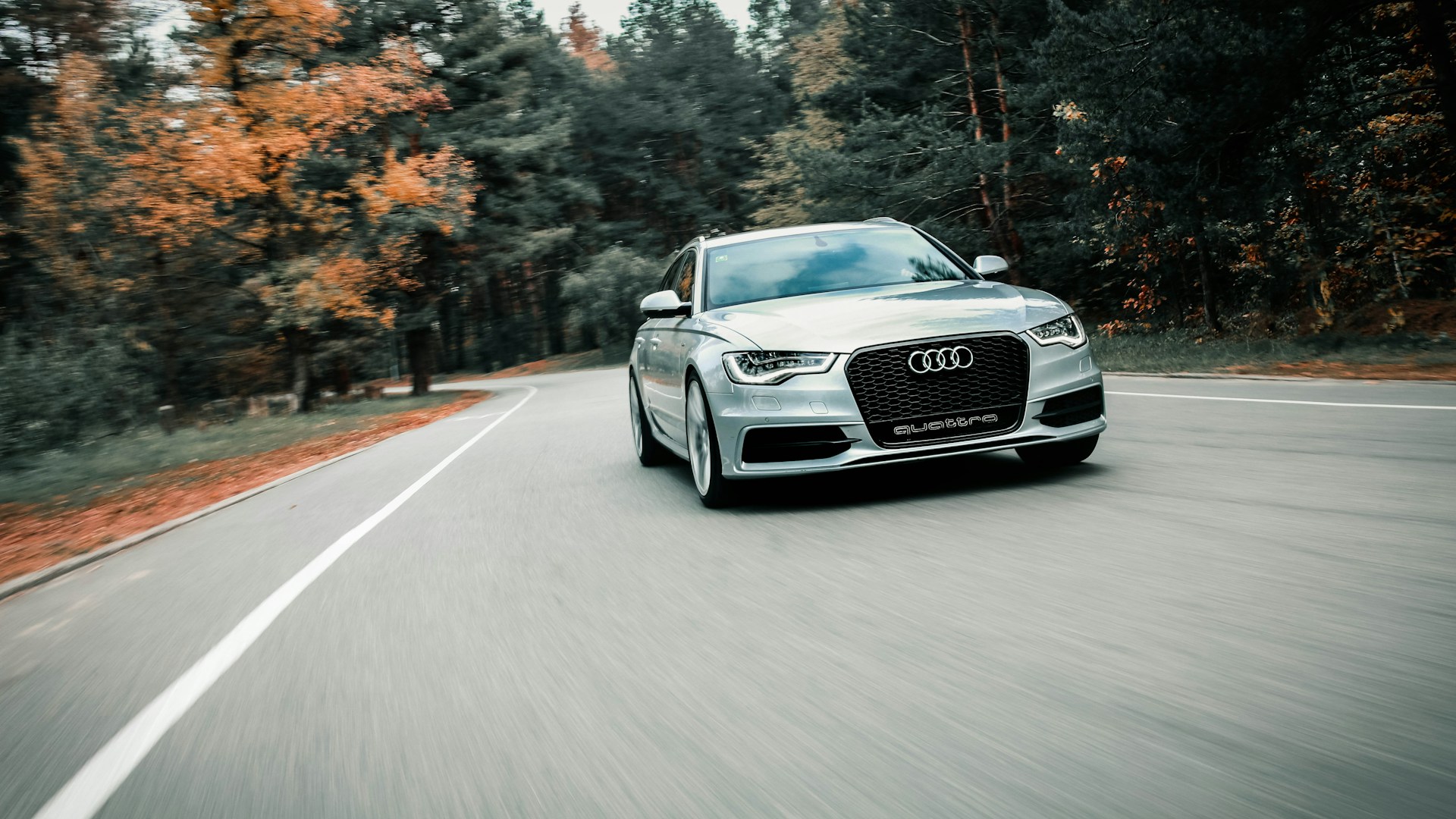
It sounds like the bargain of the century. But he says the real price tag shows up after the car is parked in your driveway.
The twist, he says, is that reliability is not the main problem. The trouble lies in how hard the car is to work on and what it costs to keep it going.
A Family Wagon That Could “Embarrass Contemporary Supercars”
The first RS6 arrived in 2002 with a V8 and 450 horsepower. For the 2008 replacement, he says, Audi “went absolutely ballistic” and added two more cylinders.
It became the most powerful Audi ever made, with more power than a BMW M5 or even Audi’s own R8 V10. And it came in a wagon, which he jokes is handy for getting the kids to school on time.
The styling stayed subtle. Wider arches, deeper bumpers and two big exhausts were about the only clues, and to most people it looked like just another big Audi wagon.
It could carry five people, swallow 1,700 liters of luggage and cruise quietly on the highway. Yet it goes from zero to 60 in 4.5 seconds and tops out at 174 miles an hour.
£80,000 Then, A Used Golf Now, And A Mechanical Game Of Tetris Under The Hood
Back then, he says, these cars cost £80,000 before options. Today you can pick one up for the price of a used Golf, and he says a well-maintained one can cover big mileages.
The catch is that depreciation cut the car’s value without making the parts any easier to reach. Under the hood sits a 5 liter twin turbocharged V10 that makes 650 Newton meters of torque, sent through a six speed automatic.
People often call it a Lamborghini engine, but he says that is not quite true. It shares the basic design, though Audi built this version for the RS6 and surrounded it with radiators, intercoolers, pumps, thermostats and “enough pipework to supply a small housing estate.”
There are two control units, four catalytic converters and 10 of almost everything else. He calls the engine bay “a mechanical game of Tetris.”
That is where the bills come from. A leak that would be a minor annoyance on an ordinary car can mean hours of dismantling here, or even pulling the engine out.
“Your Bank Account Might Fail To Appreciate The Difference”
He also points to the hydraulic suspension, which links the dampers to reduce pitch and roll. It is clever, but leaks can be expensive, so many owners have switched back to normal coil overs.
The tires and brakes are huge, and the car drinks fuel as you would expect from a two ton wagon with a twin turbo V10.
None of that makes the RS6 unreliable, he stresses. It just means every owner belongs to a car that still thinks it is worth £80,000.
“The question isn’t whether you can afford to buy one,” he says. “It’s whether you can afford to maintain it.”
The Owner Spent Close To £16,000 And Pulled The Engine Out Twice
The car in the video belongs to an owner named Scott. He has had it for three years and says he has spent close to £16,000 on it.
Scott had an engine leak and took the engine out. About three months later he found a new leak from the gearbox, so the engine had to come out a second time.
The car also sat off the road for five months while he waited for parts. Many of these cars are being scrapped because they cost so much to fix, which means used parts can be found that way.
The presenter adds that small leaks will not stop the car from running. If you can live with a few drops on the driveway, you can just keep topping it up.
Behind The Wheel: A Quiet Car That Pulls “Like A Train”
On the road, the presenter was blown away. The interior feels like it was carved from granite, the half Alcantara seats are among Audi’s best, and in comfort mode the ride is super plush.
Sport mode is too stiff for him, but dynamic mode firms things up and keeps the ride acceptable. The engine is refined at low speed, and above 3,500 revolutions he says it pulls “like a train.”
He says the zero to 60 time is the least impressive part, because the car keeps pulling harder as speed rises. The grip is so strong and the cabin so quiet that you can be doing very naughty speeds without noticing.
The steering is precise but feels a little numb off center, and you can feel the two tons when you push hard. His verdict is that it is the ultimate Q car, much easier to live with every day than the BMW M5 of the time.
What To Know Before You Buy One
- Prices start around £8,000 for a car with accident history and about £12,000 for a clean one that may need attention.
- Mid-range cars run about £15,000, and the top end goes from £20,000 to £25,000.
- Parts are hard to find, so budget for waiting time.
- Look for full service history. He points to a gray car just under £15,000 that had a full rebuild with the engine out and everything resealed.
- Be careful with any bargain, because a cheap price means little if the car needs a major job.
He is clear that the car can be one of the great performance bargains if you choose carefully, and a costly mistake if you choose badly.
More Stories You May Like
- 10 Vehicles That Lose Value Fastest In The First Five Years According To iSeeCars, And Why Buying Used Can Save Thousands
- Before You Count On A Spare Tire, Check These 7 Things About Why Many New Cars Do Not Have One And What To Carry Instead
- Dealership Admits A Math Error On A Tahoe Sale And Asks The Buyer To Split A Difference Of Roughly $2,000, Then She Records The Whole 30 Minute Talk And Refuses To Pay Half