

General Motors is recalling 67,380 electric vehicles because of a software flaw that can briefly cut braking at low speed. The fix is free, but the official owner letters will not go out until December 14.
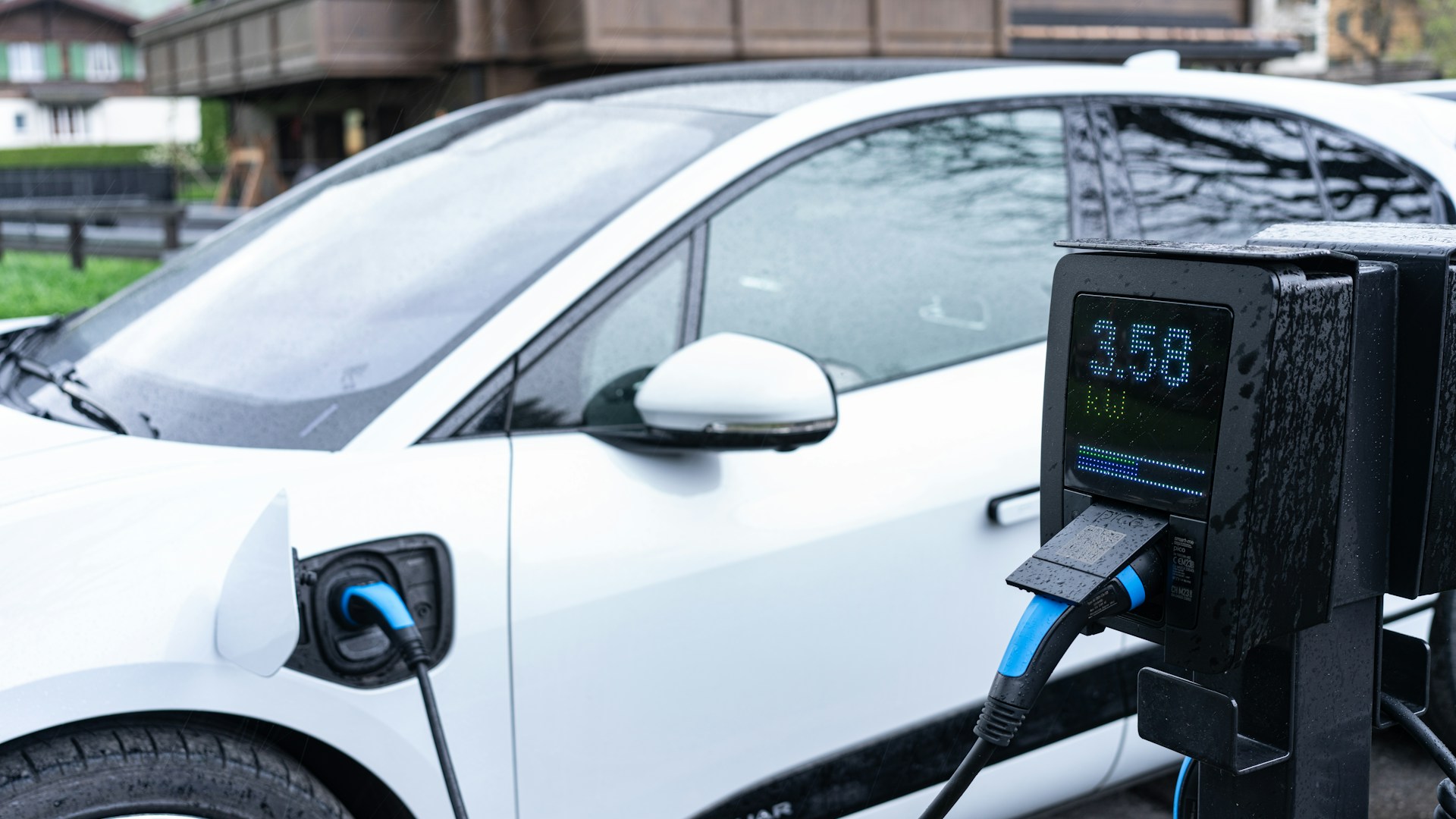
The recall covers the Chevrolet Blazer EV and several Cadillac models, according to a report from Motor1 by Brian Potter, published November 5.
A Driveway Bump Is Enough To Trigger It
Per NHTSA, the flaw shows up during a very specific low-speed maneuver, not in normal driving. It happens during light braking at low speed while turning, when the car hits a bump or dip such as a driveway lip.
The NHTSA report describes a momentary release and reapplication of the brakes. The software’s slip calculation may misread the wheel movement, so brake pressure drops briefly until the software recovers.
Normal braking returns on the next press of the brake pedal. In other words, the loss is brief, but it is the kind of moment no driver wants when pulling out of a parking spot.
Which Vehicles Are Included
On the Chevrolet side, only the Blazer EV SS and the Police Pursuit Vehicle trims are affected. Everything else in the Blazer EV lineup is outside the recall.
The Cadillac Lyriq has the biggest numbers: 474 from the 2023 model year, 22,819 from 2024, 11,926 from 2025, 9,322 from 2026 and 44 early 2027 units. All-wheel-drive Lyriqs are included, while two-wheel-drive versions are not.
The Vistiq adds 13,627 vehicles from 2026 and 5,175 from 2027. The Celestiq, Cadillac’s hand-built flagship, accounts for 51 from 2025 and 31 from 2026.
It Is Not The First Time For The Lyriq
GM recalled 21,469 all-wheel-drive Lyriqs for a similar issue back in 2024. The new filing confirms those vehicles still need the latest software.
That means some Lyriq owners may now be getting a second notice about a brake-related software update. Anyone who already had the earlier fix should still follow the new instructions.
The Fix Is Free, And It May Arrive While You Sleep
The remedy is a free software update. Owners who have opted into over-the-air updates get it automatically.
Everyone else must visit a dealer. GM’s owner notification is scheduled for December 14, but there is no need to wait for the letter if you want to check your vehicle today.
Owners can look up eligibility with their VIN on NHTSA’s recall website. The number is printed on the lower corner of the windshield on the driver’s side and on the door jamb sticker.
Why Software Recalls Are Now A Fact Of Car Life
Modern cars, and electric ones especially, rely on software to blend regenerative braking with the traditional friction brakes. The system reads wheel speed sensors to detect slip, and when the code misjudges a bump, the response can be wrong for a moment.
The upside is that many fixes can be sent over the air, without a trip to the shop. The downside is that a car’s behavior can depend on a line of code that the owner never sees.
Recalls of this kind are usually handled quickly, and federal rules require manufacturers to provide the remedy at no charge to the owner.
A Quick Look At How EV Brakes Work
Electric vehicles slow down in two ways. The motor acts as a generator and recovers energy, which is called regenerative braking, and the traditional friction brakes at each wheel take over when more stopping power is needed.
A computer decides how to blend the two, and it relies on wheel speed readings to know how each tire is gripping. That is why a bump in the road that confuses the slip calculation can cause a short drop in brake pressure.
The friction brakes themselves are not broken in this case. The recall deals with the logic that controls them.
Fleet Managers And Police Departments Take Note
The Blazer EV Police Pursuit Vehicle is on the list, which means departments that run these vehicles need to check their units too. Fleet managers can look up each VIN and schedule the software update in bulk.
For everyday owners of the SS, the process is the same. Look up the number, confirm the vehicle is included, and book the free update.
What Owners Should Do Right Now
A recall like this does not mean the car is unsafe to drive every minute of every day. It does mean that owners should take a few simple steps.
- Enter your VIN on NHTSA’s recall lookup to confirm whether your vehicle is included.
- Check that over-the-air updates are turned on in your vehicle settings, if your car supports them.
- If your car is on the list and you do not get the update automatically, call your dealer to schedule the free software update.
- Take extra care in parking lots and driveways, where low speed turns over bumps are most common, until the fix is installed.
- Keep the recall letter when it arrives on December 14. It is useful paperwork if you ever sell the vehicle.
For buyers shopping used electric vehicles, a recall check is also a smart habit. A vehicle history report and a VIN lookup take only a few minutes and can show whether open recalls remain.
The bottom line is simple. If you drive one of these Chevrolets or Cadillacs, a quick VIN check and a free update will close the issue.
More Stories You May Like
- Jeep Recalls 201,975 SUVs Because A Software Error May Keep The Low Tire Pressure Warning Light Off, So Grab A Gauge And Check Your Tires Yourself
- Toyota Recalls 135 Vehicles Including The Tacoma, Tundra And 4Runner Because Load Capacity Labels May Show Wrong Weight Numbers, Which Matters If You Haul Or Tow
- Worn Wiper Blades Left On Until The Streaks Show Up In A Downpour Are A Cheap Fix You Should Not Put Off, Because Sun And Age Harden The Rubber