

It started the way plenty of repair orders do, with a customer describing a sudden change. “Customer states my steering will feel stiff all of a sudden,” a mechanic reads off the work order, adding that it definitely feels like there is no power steering.
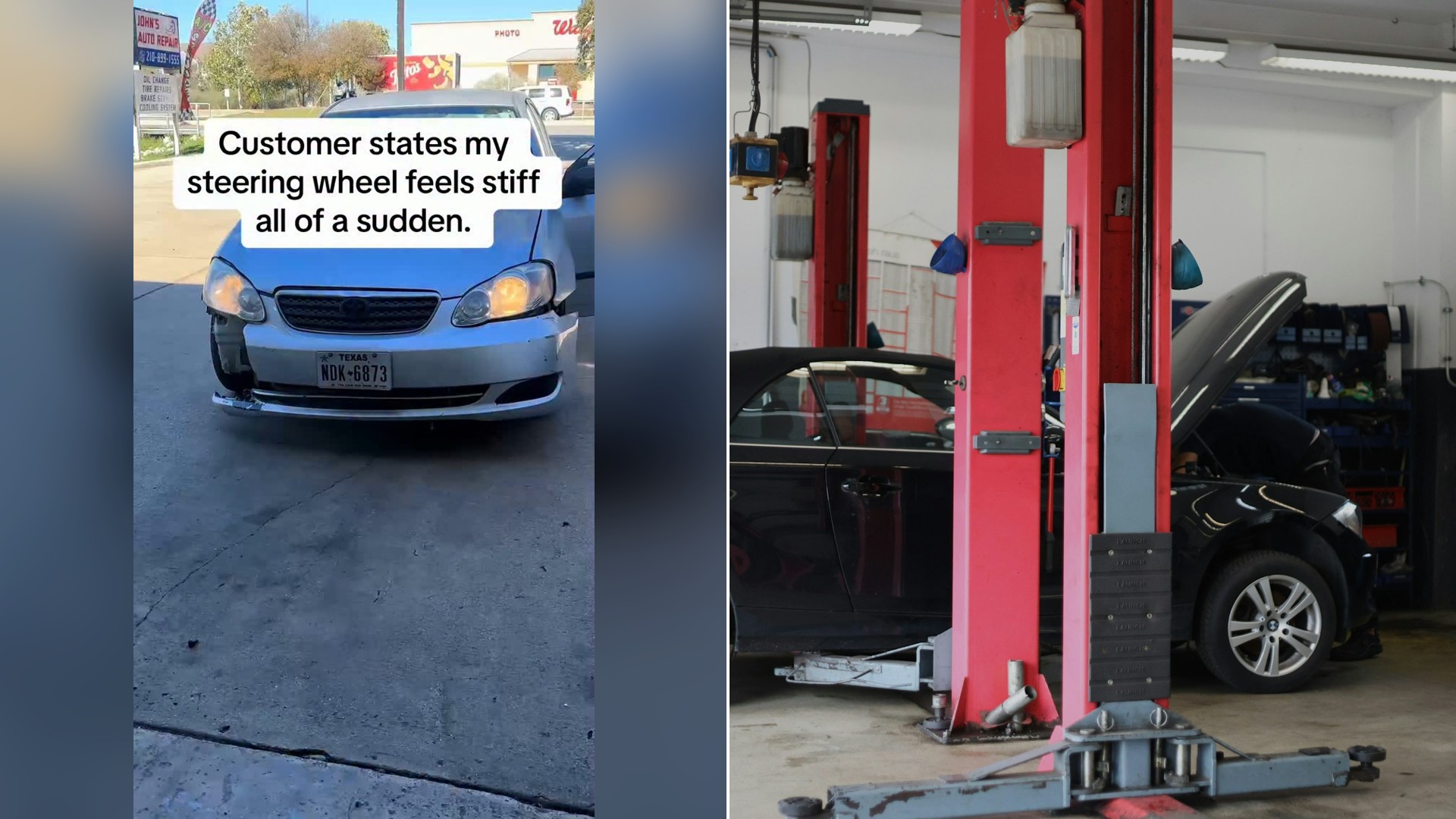
What he found when he put the car in the air is the subject of a post from johnbrian210_, captioned “Weld It Back On and Send It… or Is the Car’s Structural Integrity Compromised?” and ending with a question for other mechanics about what they would do. It is a short clip, but it packs in a whole lesson about how a small symptom can lead to a big decision.
He starts with the basics. He lifted the car really quick, he says, to inspect the underside for any impacts. What he saw first was not damage from a hit but dirt, and a lot of it.
View this post on Instagram
“The Axle Is Covered With Dirt And Grass” Was Just The Start Of The Bad News Underneath
“Definitely a bunch of dirt everywhere,” he says. “The axle is covered with dirt and grass.” The mechanic wanted that dry grass out of there, and he explains why: so it does not catch fire from the heat of the engine.
That is a sensible bit of shop wisdom. Dry grass and debris packed around a hot exhaust or engine can smolder, and it is the kind of thing a careful technician cleans out before the car goes anywhere. Fires from grass packed against hot parts are a real hazard, which is why many shops do a quick sweep before a car comes back down.
With the dirt out of the way, the real problem showed itself. “I did find the power steering leak,” he says. The stiff steering the customer felt was no mystery anymore. The system that makes a wheel easy to turn was leaking.
“That’s Not Good” Is What He Said When He Went To Check The Fluid
Next came the obvious step. “Time to check the fluid,” he says, and the reaction is short and honest: “That’s not good.” A power steering system depends on its fluid, and a leak that lets it escape can leave a driver wrestling with the wheel.
Then the mechanic delivers the verdict that gives the post its drama. “I don’t even think this is worth fixing at this point,” he says. The combination of the leak and the condition of the underside has him doubting that a repair makes sense.
He also adds a bit of local color. “We really don’t deal with rusted cars here in Texas,” he says, and he asks viewers from the north what they would do. That is a fair question, because states that salt their roads in winter see this kind of corrosion far more often than the dry South does.
Weld It Back On Or Walk Away? Why Rust And Steering Are A Serious Mix
The caption lays out the choices: repair it, replace the damaged part, or get a more thorough inspection before the car goes back on the road. The mechanic stresses that when it comes to this kind of problem, safety has to come first.
That is the right instinct. Steering is not a system where a patch job is acceptable. If rust has weakened metal that holds up suspension or steering parts, welding new metal onto thin, corroded steel can leave a repair that looks fine and fails when it matters.
There is also the money side. A shop has to weigh the cost of a proper repair, which can mean replacing parts and treating or replacing rotted metal, against the value of the car. When a repair costs more than the vehicle is worth, many owners decide to walk away, which seems to be where this mechanic was leaning.
What Drivers Should Do When The Steering Suddenly Feels Heavy
If your steering ever goes stiff without warning, treat it as a safety issue. A car with no power assist can still be steered, but it takes far more effort, especially at low speeds and when parking. Pull over safely when you can and have it checked before driving further.
Check the power steering fluid level when the engine is cool, if your car uses a hydraulic system, and look for wet spots on the driveway. A whining noise when you turn the wheel is another classic clue. Many newer cars use electric steering, so the owner’s manual will tell you what your car has.
And if you live where roads are salted in winter, make a habit of looking under the car now and then. Surface rust is one thing, but flaking, swollen or holey metal near suspension and steering parts is a sign to get a professional opinion. As this mechanic shows, a quick look underneath can save a customer from throwing money at a car that is past saving.
So what would you do, weld it and send it, replace the parts, or call it a day? The mechanic in Texas is curious what you think, and so, honestly, is anyone who has ever had to decide whether an old car is worth another dollar.
More Stories You May Like
- Mechanic Warns Cars Without Dipsticks Could Be The Next Big Scam As Shady Shops Bill For Oil Changes They Never Did And Drivers Cannot Check
- Hemi Charger Values Jumped 15% To As Much As $189,000 While Early Mustang GTs Dropped Up To 8% And The Pontiac GTO Slid 4%, Says Hagerty
- Used Car Dealer Says Customers Asking For Payment Plans On $2,500 Cars Can’t Afford To Trade In Either, While His $1,500 Camry Was Gone The Same Day