

A 1967 Pontiac LeMans with new paint and a black vinyl top rolled across the auction block, and the bidding stalled at $18,000. The auctioneer said he could sell it for $21,000. The seller said no, and the next day the same car turned up a few blocks away at the fairgrounds with an asking price of $30,000.
That is one of dozens of stories in a video from the Ultimate Muscle Cars channel on YouTube, which walks through classic cars that went to auction and did not sell. One of them, he says, is on its way to its fifth auction in just 83 days.
The LeMans That Went From $18,000 To $30,000 Overnight
The LeMans is a good example of the gap between what bidders offer and what sellers want. It rides on 17 inch aftermarket wheels with Goodyear tires, and the original 326 engine has been replaced with a 404 paired to a three speed automatic. The black interior has bucket seats, a console with a shifter, and woodgrain on the dash and console.
The auction closed with no sale at a high bid of $18,000. Even with the auctioneer’s $21,000 figure on the table, the seller held out.
The Car Headed For Its Fifth Auction
The most striking case is a 1960 model with a 348 engine and tri-power intake, rebuilt about four years ago and paired to a four speed. It was repainted red in the 1990s and now has a red and white interior with factory air conditioning and power windows.
Two months ago it sold at an online auction for $50,000. One month ago that buyer took it to another auction, where the high bid was $72,000 and it did not sell. The next week it went to another sale, where the high bid was $60,000. Two weeks after that, a fourth auction ended with a high bid of $57,000.
Now it is heading to its fifth auction in the past two and a half months. The bidding peaked at $72,000 and has slid down since.
Cars That Sold For Less Than The Seller Now Wants
Several cars in the video show sellers raising the bar after an earlier sale.
– A 1970 Corvette convertible in Daytona yellow, with a numbers matching 350 L46, sold for $21,000 two weeks earlier at the Saratoga Motor Car auction. At this sale the high bid was $28,000 and it did not sell. – A 1969 Cadillac Eldorado with a 472 engine had two online auctions without a sale, at high bids of $12,000 and then $7,000. This time the high bid was $15,000, and it is now listed at a dealer for $19,988. – A 1985 Buick Regal T-Type with the 3.8 turbo V6 drew a high bid of $17,000 at Mecum three months earlier. This time it reached $20,000, and the auction said it would take over $22,000.
Close Calls And Big Numbers
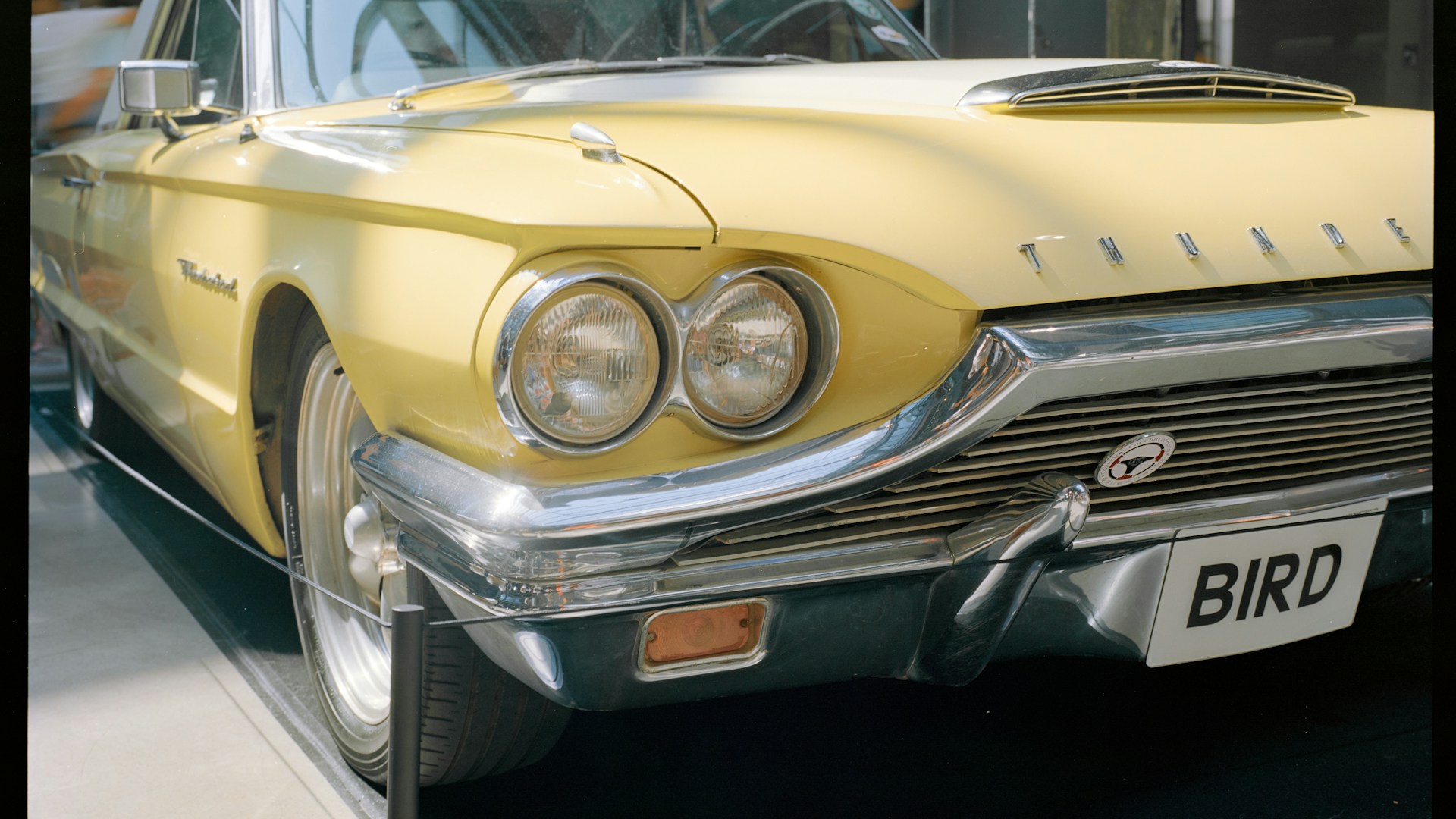
Some sellers were not that far off. A blue 1969 Chevelle with a 454 and an L88 style hood stopped at $36,000, and the auctioneer said it would take over $40,000. A 1957 Thunderbird with two tops reached $24,000, and the video says $27,000 would have bought it. It is now listed at a dealer for $33,000.
At the high end, a 1970 Oldsmobile 442 convertible, fully restored in twilight blue with a 455, saw bidding start at $60,000 and climb to $87,000 with no sale. A 1969 Shelby GT350 in candy apple red reached $95,000 and a 1979 Camaro Z28 with only 26,000 miles, original paperwork and its window sticker reached $43,500. None of them sold.
Why So Many Good Cars Do Not Sell
A no sale usually means the high bid did not reach the seller’s reserve. A reserve is the minimum price the owner will accept, and it is a normal part of auctions. Sellers can set it high, and plenty of them hope the right buyer will show up later.
For buyers, that opens a door. A car that closed with no sale is often worth a follow up call, because the owner may now be willing to deal.
If you are shopping for a classic, a few habits can help.
– Look at the car’s recent history. A car that has been to several auctions in a short time may tell you something about the price the market is willing to pay. – Compare the high bid with the asking price. In this video, the gap between the two is often large. – Ask what the reserve was. The answer tells you how close the seller is to a deal. – Remember that condition, originality and paperwork matter. A numbers matching engine and original window sticker carry weight.
The Lesson From The Auction Lanes
The video keeps coming back to one idea: asking prices and what people are willing to pay are two different things. The LeMans seller turned down $18,000 and then listed it at $30,000. The car on its way to a fifth auction shows how fast a price can move in either direction in a matter of weeks.
If you are selling a classic, take the high bid seriously. If you are buying, remember that “no sale” is not the end of the story. Sometimes it is just the beginning of the negotiation.
More Stories You May Like
- Hemi Charger Values Jumped 15% To As Much As $189,000 While Early Mustang GTs Dropped Up To 8% And The Pontiac GTO Slid 4%, Says Hagerty
- Black Widow Crawls Onto His Hand From The Fuel Nozzle While Filling An Abandoned Jet Fuel Powered Deuce And A Half, Then The Truck Fires Up Unexpectedly And Will Not Shut Off
- Seller Makes Buyer Wait An Hour Through A Mechanic Inspection Of His 2021 Mazda CX-5, Then Hears He Will Not Buy Without The 100K Service, And Says Now I Know Why This Is His Fifth Car