

Two feet. That is all a 1964 Ford Galaxy 500 XL had rolled under its own power in roughly 40 years, until the guy behind the FullSizeFord channel decided it was time for a real drive.
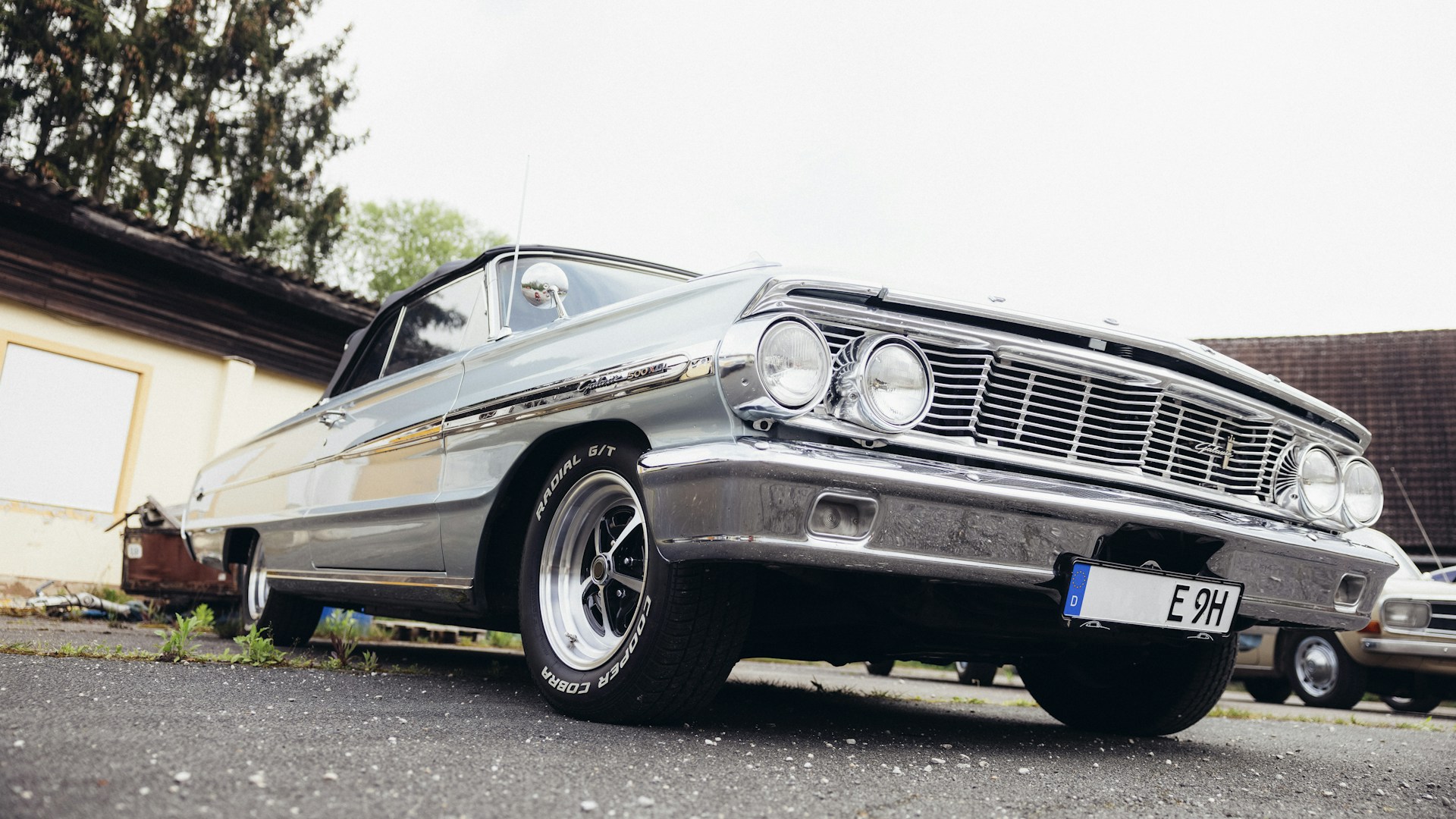
“I know I’ve been saying for weeks now that we’re going to take it for a drive,” he says. “Although we did technically drive it like 2 feet in the last video, I know it wasn’t far, but that’s more than it had moved in the last 40 years under its own power.”
The big Ford had been pulled out of a barn in Montana, where it sat from about 1984 or 1985, going by what he can piece together. Getting it from the pasture to the road turned into a string of small disasters that every old-car fan will recognize.
“Anybody On This Planet Have As Many Battery Issues As I Do?” The Galaxy Refuses To Wake Up
The first goal was modest: get the car up to the garage so he could change the oil and dial in the cooling system. The first attempts to start it did not go well. The battery was low on juice, and the generator was not charging.
He broke out his jump starter and laughed at his own luck. He jokes that nobody on the planet has as many battery issues as he does. The carburetor bowls were dry, so he made a trip for starting fluid and tried again.
It ran, it moved, and he got it past a Mustang parked nearby, going farther than the car had gone in decades. Then he shut it down and found the Galaxy “spewing coolant everywhere.”
His summary was blunt. “This is why you shouldn’t let cars sit for weeks at a time.” For a barn car that had sat for decades, the lesson was even stronger.
A Water Pump, A Stripped Hole And Fan Bolts That Felt Like “14 Years” To Remove
He ordered a new aluminum water pump, a March Performance unit that cost about $140. He passed on a cheaper one after reading bad reviews, many of which complained about leaks around the back plate. His advice for anyone installing a new pump: “always check these bolts before you install a water pump.”
Getting the old one off was a workout. The fan bolts on this Ford FE engine were so long that he joked they could have inspired a song. “That took like literally 14 years to get them off,” he says, with a nod to a Guns N’ Roses title.
Once the old pump was out, the real reasons for replacing it came into view. A bolt hole in it was stripped, so it would no longer take a bolt. The expansion tank was caked with gunk and corroded, and nobody had been running a thermostat.
He also shared a tip worth remembering. The lower passenger side bolt on that engine goes into the water jacket, so it needs sealant when it goes back in. “Ask me how I know,” he says.
“Not Going To Match Color-Wise” As A Wrecked Front End Gets Swapped For A Straight Fender
The Galaxy had been in a front-end hit at some point. He pulled the grille, planning to put better headlight buckets in before putting a grille back, and found a big creased dent in the fender.
The fender would not pop back out, so he swapped in another one from a parts car. It would not match the paint, but he decided straight beats damaged. He had to fight a stubborn bottom bolt for ages, working it back and forth with penetrating oil to avoid breaking the cage nut behind it.
A few fun facts came along with the job. There are 14 nuts holding the side trim for the 500 XL on the fender, and he joked that you could win a car meet with that trivia. He also reminded viewers that a splash guard and its rubber keep mud and salt from rotting out the front of these fenders, a big deal for cars from the East Coast.
Then real life got in the way. A wildfire in Spokane County pushed evacuations close to his home, and he put the tools down for a while. “Winds being favorable to me are not favorable to someone else,” he says. “Prayers for those people.”
A Dead Battery, A Trashed Starter And A Second Try: “You Just Can’t Get Good Ones Anymore”
Back on the Galaxy, he got headlights in with new bulbs, put the bumper on and fitted nicer bezels from his stash. Then he tried to start it, and the battery was done. “Gosh, my kingdom for a good battery,” he says. He broke down and bought a new AGM one.
The old generator turned out to be fine. “All she needed was to be polarized,” he says, and with that done it was charging at 14.2 volts. That left coolant dripping from the expansion tank, which he realized was leaking.
The car cranked slowly, and the first starter from O’Reilly turned out to be trashed. He pulled it, and with the closest replacement an after-church trip away, he joked he would “swap the bad starter for another bad starter.” He says starters are the same everywhere now. “There’s no good reman stuff out there anymore.”
On the second starter, he installed the third top bolt that some guys skip, and the old Ford cranked like it should. “Hey, look. The car cranks like it’s supposed to.” After running it out of gas once, he got fuel back up to the carburetor, and the 352 caught.
Beer Cans, Deer Hair And A Patriotic Pen Come Out Before The First Real Drive
Before the first real drive, he cleaned the inside, and the car gave up its secrets. He found beer cans, an old Olympia bottle, a six-pack, a couple of heavy speakers and a hair clip. He also found a nice lighter and a patriotic pen, which he kept. There was even deer hair stuffed into a headlight, and he says the car had critters living in it.
He checked the timing and found about 25 degrees, which he backed down to about 16. The engine still has an off-idle stumble, which he figures is a worn-out carburetor. A different one would “do wonders.”
The Cruise-O-Matic transmission is no performance unit. “That’s where you get the term slush box,” he says. Still, it shifted, the brakes stopped the car and the turn signals worked. The wipers started up after a while, and he found that “the more you drive it, the more stuff just starts working.”
“There Is Not A Speck Of Rust In This Car” Even After 40 Years In A Barn Full Of Critters
With the car finally back on the road, he walked around it. “There is not a speck of rust in this car,” he says. There was a ding on one side, a bent rocker panel and a missing optional trim piece. It is a vinyl top car, and he says the top needs replacing or removing.
The car had been stored indoors, so there is no rust inside either. It looks like it may have hit a deer at some point, and the old owner was an Eastern Montana guy who used it as a runner. The old 352 “runs okay,” he says, though it is “coming around.”
His real point is why he does this at all. “I like to find these things kind of forlorn and forgotten, bring them back to life,” he says. With too many cars at home already, the Galaxy is headed down the road to a new owner, even though he admits he would like to keep it.
What To Do Before You Try To Start A Car That Has Sat For Decades
You do not need a barn in Montana to learn from this one. If you buy or inherit a car that has not moved in years, plan on a few surprises. Here is a short checklist drawn from this build.
- Start with the cooling system. Drain it, look for gunk, check the expansion tank and install a thermostat.
- Test the battery before you blame the starter, and the starter before you blame the wiring.
- Check new parts when they arrive. Bolts, gaskets and fittings do not always match the old ones.
- Use sealant on bolts that thread into the water jacket.
- Clean the interior early. Mice, wasps and old trash can hide real problems.
- Keep your expectations realistic. A barn car with no rust can still need a pump, a battery and two starters.
That is the real story of the Galaxy. The body was solid, and the engine was willing, but the small parts took all the patience. The reward was a big Ford rolling under its own power for the first time in decades.
More Stories You May Like
- 1960 Mercury Colony Park Wagon Off The Road Since 1983 Still Wears 1983 North Carolina Plates, Has No Carburetor And No Keys, And Opens At $1,200 With Zero Bids
- 1966 Dodge A100 Five Window Pickup With A Slant Six Is Listed For $11,500, And The Seller Admits Light Rust, Paint Chips And A Bent Front Bumper
- Bids Started At $100 On A No Reserve 1979 Lincoln Continental Mark V Cartier Edition With 8 Track Tapes And Champagne Velour, And It Sold For $9,630 After 14 Bids