

The order came down from the brass: crush the truck. Instead, a Jeep engineer hid it in a factory file room, kept it safe for years, and finally bought it for $1 the day he retired.
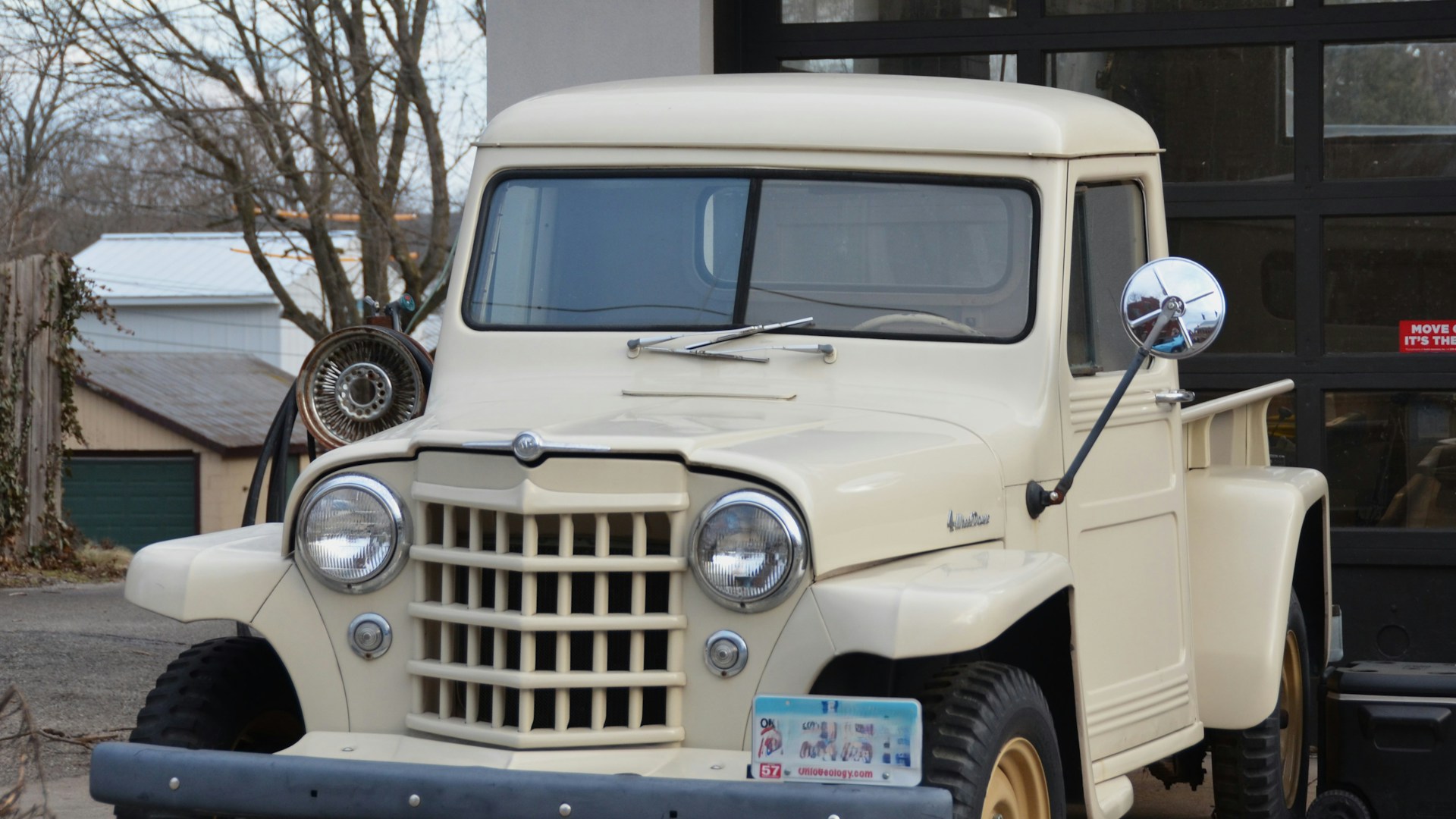
That truck is a 1977 Jeep J10 Extended Cab prototype pickup, and it is now being offered to the market for the first time ever by the family of the man who saved it. The story comes from the Mecum Auctions lot listing, as reported by autoevolution.
The family says the truck is a one of one, and nothing else like it was built.
“Pete Was In Love” With The Truck He Built To Test A Big Idea
When Jeep began toying with the idea of an extended cab pickup, the company put Harold “Pete” Johnson in charge of building a prototype to explore the possibilities. Johnson was the supervisor for AMC/Jeep Research and Development, and he put together a team to make a highly finished, working example.
The recipe was simple. The truck rides on a Wagoneer frame, carries a pickup bed, and wears a Cherokee Chief cab with second row seating. It was created as an engineering exercise to see how an extended cab Jeep pickup might work, long before that layout became common.
Power comes from a 360 cubic inch V8 paired with a 3 speed automatic transmission. The body was painted Golden Ginger Poly, with a ginger colored interior to match. The result was a full size, extended cab pickup ready for the road and the show circuit, and Pete, the listing says, “was in love.”
The Brass Said Crush It, So He Hid It In A File Room
The company never put the pickup into production. When the brass declined, the order came for the truck to be crushed, and that crushed Johnson. He was, the listing says, tremendously disappointed.
He did not follow the order. He and his team squirreled the truck away in a back room at the Toledo, Ohio plant and concealed it in a file room, where it sat for many years.
It is the sort of story that sounds like a legend, and it comes straight from the lot description. A prototype that was supposed to disappear instead sat quietly behind the files while the company moved on.
Retirement Day Brought A $1 Price Tag And A Trailer Ride Home
When Johnson retired, he was allowed to buy the vehicle for $1. He hooked up a trailer and hauled the truck home, where it has stayed with him and his family ever since.
A single dollar for a one of one factory prototype is a price no one could repeat today. It also shows how much the company valued a truck it once planned to crush.
The family kept it for decades before deciding to offer it. They now describe the truck as being sold from the family of a research and development supervisor who helped create it.
A Nut And Bolt Restoration And A Secret Word On The Frame
The Johnson family had the truck restored in an extensive nut and bolt job to as built specifications. During the work, the restorers made a surprising find: the word “special” was written into the frame rail.
The truck is refinished in Golden Ginger Poly, the same color it wore when it was built. A quirk of the design remains, too. The passenger seat was custom built to lean forward so people can climb into the rear seat area.
The listing describes a truck that is ready for its next owner. It has four wheel drive, power steering and brakes, air conditioning, polished alloy wheels and Goodyear Wrangler tires.
One little detail still on the windshield ties the truck to its past: a Toledo Engineering parking pass is affixed to the glass.
“The Unicorn” Made The Rounds At SEMA
Since the restoration was finished, the J10 has been shown at several events. It appeared at the Toledo Jeep Fest, at the Bantam Jeep Heritage Festival, and in the AkzoNobel booth at the SEMA Show, where it was given the name “The Unicorn.”
The truck’s history has been verified by Zack Heisey at Z&M Jeeps. The sale will also include vintage photos that tell part of the story.
What A Story Like This Teaches Anyone Who Loves Old Trucks
Most of us will never bid on a prototype, but the J10’s story carries lessons for anyone who owns or dreams about a classic vehicle.
First, documentation is everything. A truck like this is only worth its story if the story can be proven. Here, the provenance was verified by a Jeep specialist, and the sale includes vintage photos. If you buy a vehicle with a claimed history, ask for the paperwork and have an expert check it.
Second, read the fine print. Auction houses typically note that descriptions come from the seller, and that the buyer should inspect the vehicle in person. The Mecum listing says exactly that. Any serious buyer should look at the truck, the frame and the records before bidding.
Third, know the difference between a restored car and an original one. This truck went through a nut and bolt restoration to its as built specification. That approach can preserve the look of a rare vehicle, but values for restored and untouched examples are judged differently, so ask what was replaced.
Finally, remember that history can live in small details. A parking pass on a windshield and a word written in a frame rail are the kind of marks that make a story believable, and they are worth keeping exactly as they are.
For one engineer, a single dollar and a trailer ride saved a truck that the company wanted crushed. That is a pretty good return on a decision to say no.
More Stories You May Like
- Original Owner Bought His 1979 Camaro Z28 New Off The Showroom Floor, Kept It Indoors For 47 Years, And His Wife Gets Emotional When It Comes Out Gleaming
- Man Buys A 1965 Mustang Fastback Used In 1973, Parks It In 1978 And It Sits 48 Years, Then A Crew Digs It Out To Finish The Dream He Started
- Owner Pays $318,500 For An Aston Martin DBX707, Drives It 6,600 Miles, Then Takes A $121,500 Loss When It Sells For $197,000