

A 2017 Toyota Camry with the 3.5 liter V6 is the kind of car people brag about. It is the sort of vehicle that is supposed to run forever, and this one had just 105,000 miles on it. So when the owner dropped it off with a flashing check engine light and one dead cylinder, he asked the obvious question: “Do I just need a tune up?”
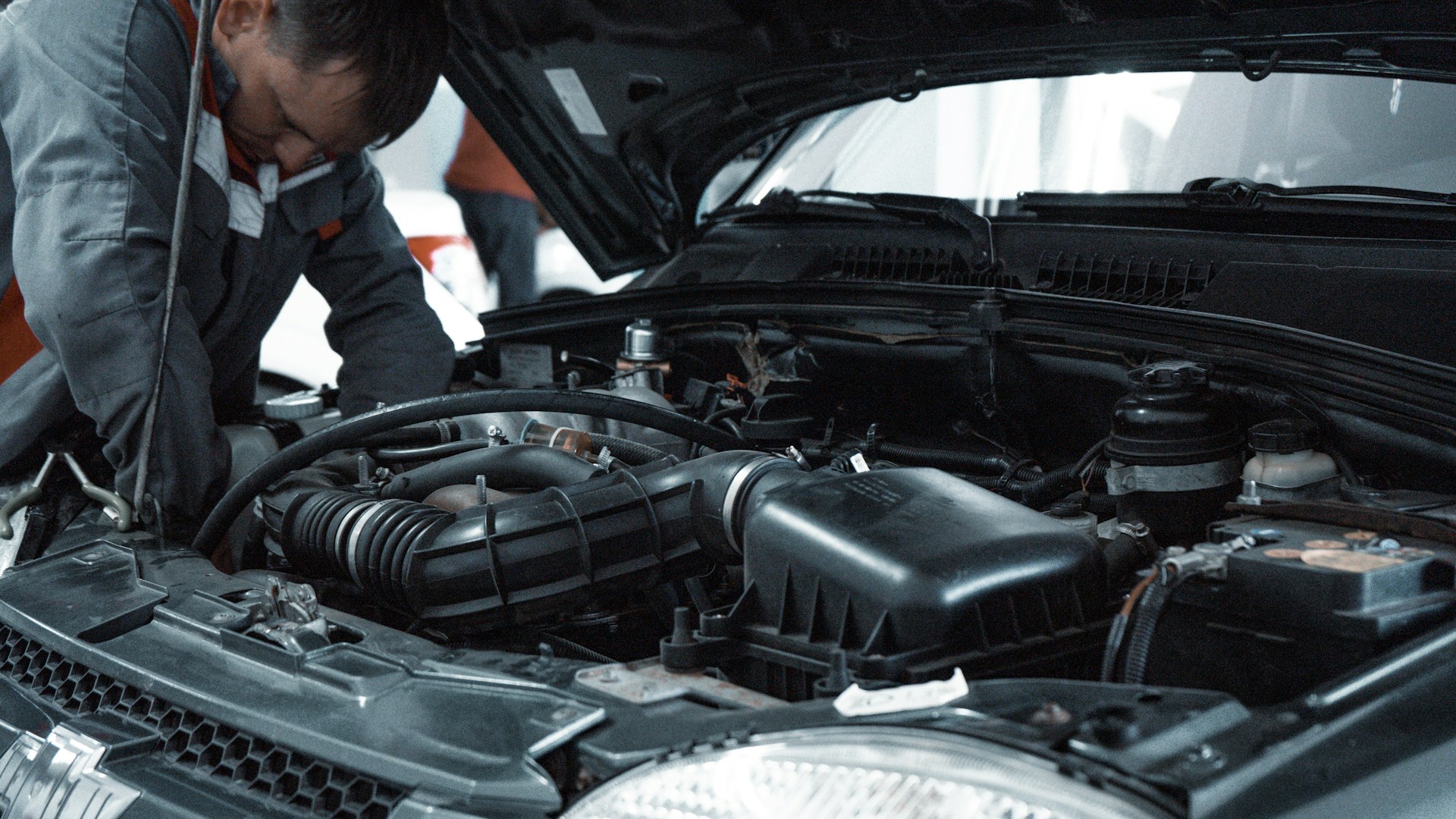
The crew at Royalty Auto Service thought the same thing at first. Back from a trade show trip and fighting a cold, the shop owner admitted what any of us would have guessed: a set of spark plugs and maybe a coil. “You definitely aren’t thinking it’s going to have an engine problem,” he said.
“That’s A Dead Skip” Turned Into Hours Of Chasing A Problem Nobody Expected
His technician, Chris, had already done some preliminary checks and confirmed a misfire on one cylinder. The owner spun the engine over and listened, and the check engine light was flashing. “That’s a dead, dead skip,” he said.
Before touching anything, he wanted proof of which cylinder was the culprit. He pulled the coil connector on the suspect cylinder and the engine ran exactly the same, which told him that cylinder was already doing nothing. His motto for the job was “trust but verify.”
Then came the first oddity. When the engine cranked, it sounded healthy for the first few turns, with a nice even cadence. After a few seconds it seemed to lose a cylinder, and the longer the engine sat before cranking, the longer it stayed good.
An Oscilloscope Showed The Cylinder Had Almost No Compression
The scan tool could not complete its relative compression test, because it kept complaining the battery voltage was too low. The shop explained that these tests work by watching voltage drop at the diagnostic port, so the power has to be perfectly clean. A battery maintainer and a booster pack both caused trouble, so they hooked up an oscilloscope and a current clamp instead.
The waveform settled it. Counting the firing order from cylinder two, the problem cylinder showed up as a deep dip that kept repeating. By the owner’s reading, running compression on that cylinder was around 22 to 25 PSI, which he called “almost nothing.”
The spark plug looked fine, but a borescope down the hole showed something strange. There was liquid oil sitting in the cylinder and running down the wall, which he called “a massive amount of oil.”
Oil In The Cylinder Made No Sense To A Veteran Mechanic
That puzzled him, because oil in the cylinder usually points to worn piston rings. He reminded viewers of the old wet compression test, where a squirt of oil temporarily seals the rings and gives good readings for a few spins before it blows out. That matched what he heard at the start of each crank.
But the rings did not look guilty. He hooked a pressure sensor to the crankcase through the dipstick tube, capped off the breather hoses, and revved the engine. If the rings were leaking, pressure would have jumped every time the bad cylinder hit its compression stroke, and it never did.
Next he looked at the valves. Intake manifold readings showed a good vacuum pull on every cylinder except number four, and the neighboring cylinders pulled a weaker vacuum while the bad cylinder’s intake valve was open. His read was that the exhaust valve on that cylinder was not sealing, leaving the intake manifold connected to the exhaust.
The Leak Down Test Passed Four Times, Then Failed
The comment section had been asking for a simple leak down test, so the crew did one, carefully following the tool’s directions. They set the gauge, put the cylinder at top dead center and tested again and again. Four times the result was the same: no leak at all, which on any other car would mean a good cylinder.
Then they turned the engine over, looked at the exhaust valves with the borescope, and the difference was plain. One valve looked clean with a smooth seat. The other was caked with carbon and showed pitting, and he said of it, “This is not seating.”
When they ran the leak down test one more time, air finally came out of the exhaust. The valve only leaked some of the time, and his lesson was that “when you have an intermittent sealing problem,” the chance of catching it with a leak down test is “almost zero.”
Why The Shop Recommended A Replacement Engine
The fix is not cheap or easy. Doing it right means pulling both cylinder heads, and on this V6 that also means the timing chains. The shop figured the labor at about 12 hours more than simply swapping in a good used engine, and he noted that engines for this car are not that expensive.
So the recommendation was a low mileage used engine, with the final call left to the owner. The oil in the cylinder still bothered him. One theory, worked out with a diagnostic specialist he called, was a leaking valve stem seal on the intake side letting oil in, but the engine was full of oil and the customer had reported no oil consumption.
He also had a warning for the old dollar bill trick, where a bill sucked toward the tailpipe supposedly means a leaking exhaust valve. By his account, that only means the engine is misfiring.
What Every Car Owner Can Take From This Camry
The biggest lesson came from the shop owner himself. “Don’t circumvent procedure,” he said, noting that nobody on his team would have guessed an engine problem on a 105,000 mile Camry. Skipping straight to spark plugs would have been easy, and the owner would have paid for parts that fixed nothing.
If your car has a flashing check engine light, treat it as urgent. A flashing light usually means a misfire serious enough to damage the catalytic converter, so stop driving it hard and get it checked.
Ask the shop what testing led to its recommendation. A good diagnosis starts with measuring compression before replacing parts, and a shop that can show you the readings has earned your trust. And remember that even a famously reliable engine can fail early, so a clean maintenance history is worth keeping.
More Stories You May Like
- Tiny Right Hand Drive 1996 Suzuki Carry Pickup With A 657cc Three Cylinder Engine Sells For $4,500 With No Reserve After Being Imported Just Four Months Ago
- 1973 Cadillac Coupe DeVille With A 472 V8 And 31,000 Miles Sells For $22,000, And Its Third Owner Just Had The Oil Changed And Coolant Flushed In August
- Matador Red 1969 Pontiac GTO With A Four Speed Has Stayed In One Family Since 1991, Shows 39,000 Miles, And Sells For $46,000