

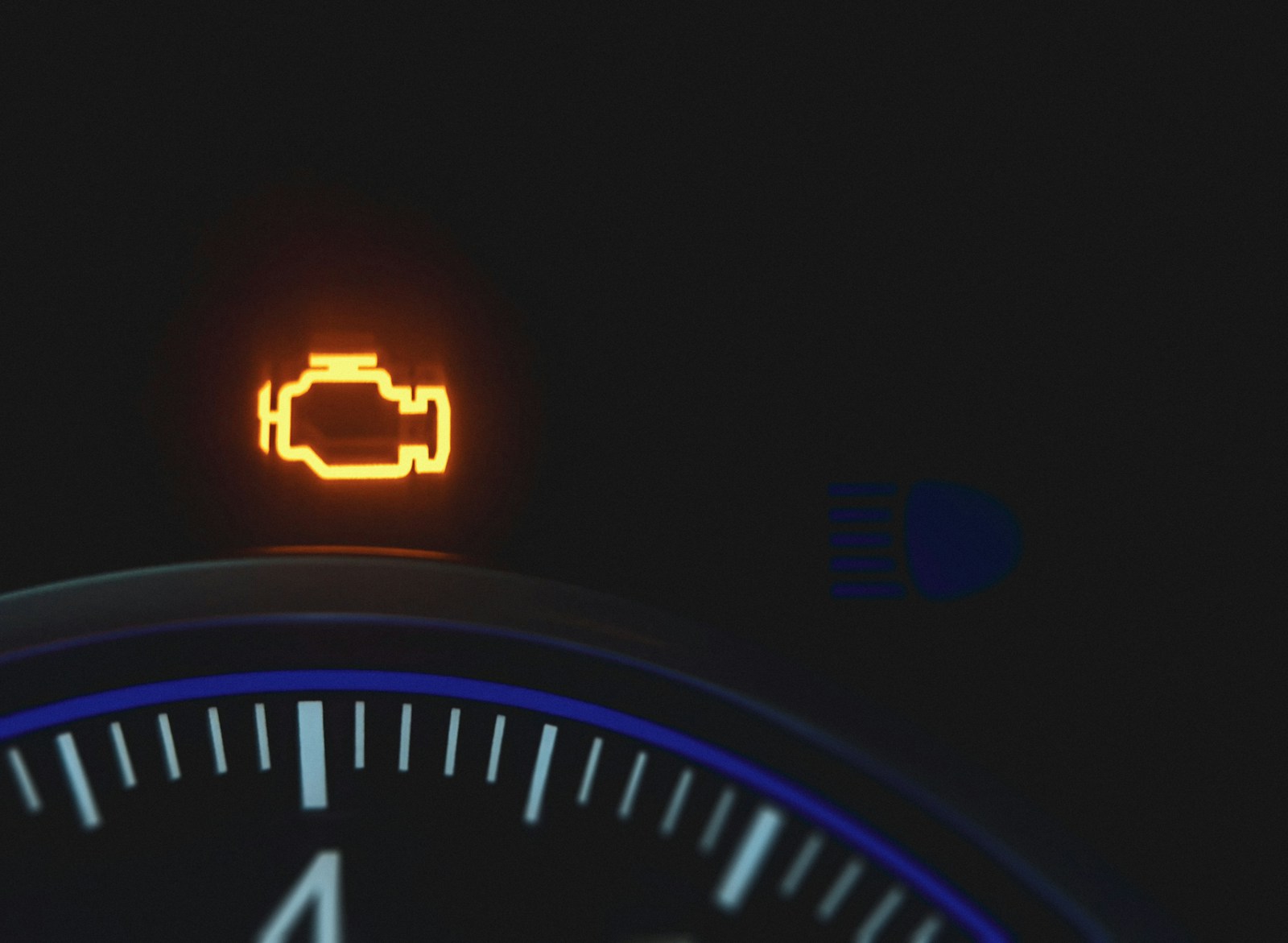
It is the oldest trick in the book. The check engine light comes on, you reach for a scanner, clear the code and hope it stays gone. A reel from @send.gas.money tells the story of a driver who did that three times before finally fixing the sensor behind it.
If you have ever felt that sinking feeling when the little amber engine icon returns, you are in good company. The light always seems to know when you have given up on it.
The lesson in the reel is one every driver should keep in the glove box.
View this post on Instagram
Driver Cleared The Check Engine Light Three Times Before Fixing The Sensor
According to the post, the owner kept wiping the warning away and watching it return. Only after the third time did the fix happen, and it came down to the sensor behind the light.
That pattern is more common than most people admit. The code gets erased, the car seems fine for a few days, and then the light is back on the dash.
The reel resonated with hundreds of thousands of viewers because it is so relatable. Nearly everyone has been tempted to treat a warning light as a nuisance rather than as information.
What The Check Engine Light Is Really Telling You
Your car has a computer that watches dozens of sensors. When a reading goes out of range for long enough, the computer stores a trouble code and turns on the light.
Cars built since 1996 use a standard system called OBD-II, which is why an inexpensive scanner can read codes on nearly any of them. The code points to the area of trouble, not always the exact part.
A steady light means the problem needs attention soon. A flashing light usually signals a misfire that can damage the catalytic converter, and that calls for stopping and getting help right away.
Why Clearing The Code Does Not Fix The Problem
Erasing a code resets the light but not the cause. If the fault is still there, the computer sees it again and the light comes back, sometimes within a drive cycle or two.
It also wipes out helpful data. Many scanners can show freeze frame information, such as engine speed and temperature at the moment of the fault, which helps a mechanic narrow things down.
Clearing the code also resets the car’s readiness monitors, which can cause a failed emissions test in states that require one. That is a good reason to leave codes alone until you have a fix.
Common Sensors Behind The Light
Oxygen sensors are a frequent culprit. They measure how much oxygen is in the exhaust so the computer can adjust the fuel mixture, and they wear out with age.
The mass airflow sensor measures air entering the engine, and a dirty one can hurt fuel economy and drivability. Cleaning it with a spray made for the job sometimes helps.
Others include the crankshaft and camshaft position sensors, coolant temperature sensors and knock sensors. Even a loose gas cap can trigger a light, so check that first.
How To Read The Code Yourself
A basic code reader costs very little and plugs into a port under the dash, usually near the driver’s knees. Many auto parts stores will read codes for free.
Write down the code, which looks like a letter followed by four numbers, and look up what it means for your make and model. Be careful, because a code points toward a system and not always a bad part.
Resist the urge to replace parts by guesswork. Swapping sensors until the light goes away can burn through a lot of cash.
Fix It Before It Costs You More
A bad oxygen sensor can quietly hurt your gas mileage by throwing off the fuel mixture. Over time, that extra fuel can also damage the catalytic converter, a part that costs far more than a sensor.
Ignoring a light can also hide a second problem. Once one warning is on, a new fault can slip in without anyone noticing.
Catching trouble early keeps small repairs small. The sensor in the reel was a small part, and the three trips down the clear the code road cost the driver time and peace of mind.
When To Call A Professional
If the code points to something you cannot test, a good shop can run a smoke test, check wiring and read live sensor data. Those tools tell a lot more than a code alone.
Ask the mechanic to show you the reading that proves a sensor has failed. An honest shop will happily explain what it found.
Get a written estimate before approving work, and ask whether the fix comes with a warranty on parts and labor.
A Few Habits That Keep The Light Off
Follow your maintenance schedule for spark plugs, air filters and fluids. Many sensor problems start with neglected basics.
Tighten the gas cap until it clicks after every fill up. It sounds silly, but it is one of the cheapest light fixes in existence.
Keep a code reader in the trunk, and use it as a flashlight for your car, not a magic eraser.
The Bottom Line
The reel from @send.gas.money works because it tells a truth every driver has felt. A warning light is not a nuisance, it is a message, and wiping it away only delays the answer.
The driver who cleared the check engine light three times paid for the delay in time and aggravation. The fix came when he finally listened to the sensor.
Next time that amber light appears, read the code, write it down and fix the cause. Your wallet and your car will both thank you.
More Stories You May Like
- Tiny Right Hand Drive 1996 Suzuki Carry Pickup With A 657cc Three Cylinder Engine Sells For $4,500 With No Reserve After Being Imported Just Four Months Ago
- Builder Who Poured His Heart Into Every Inch Of A Custom Lifted Truck Sees It Get Repossessed At A Truck Show After Falling Nearly Three Years Behind
- Something Fell On This 1930 Ford Model A Parts Car And Crushed The Roof, But Its Cracked Frame And Rotted Wood Might Still Save A Three Window Coupe Project That Needs A Hood