

Here is a deal most gearheads would line up for. A buddy buys a tree damaged 1950 Studebaker Champion at an insurance auction, hands it over, and says: fix it, sell it, pay me what I want, and keep the rest. No money out of your pocket.
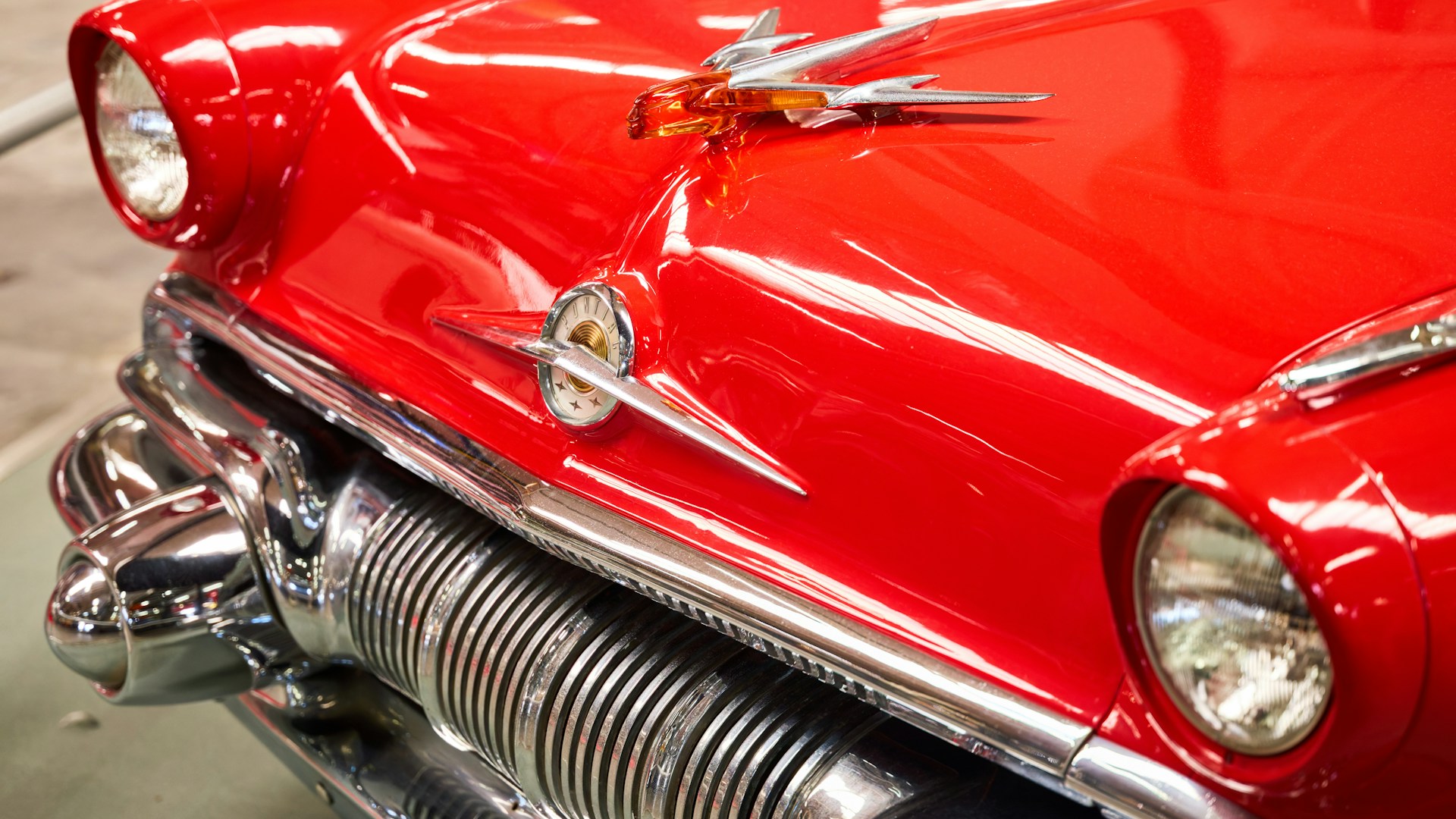
That is exactly how it went for the builder behind This Old Hotrod, who opens his video with a grin and a blunt review of the car. “Probably the ugliest car ever built,” he says, before admitting it needs “a little bit of work.”
Spoiler: after no spark and no fuel, the old Studebaker ends up running, and the reason it ran rough surprised even him.
“How Can You Lose?” The Deal That Landed In His Driveway
The same friend, Steve, sold him the 1932 chassis that is going under his roadster. A little over a month ago Steve called with another idea. He buys cars from insurance auctions, sometimes burnt, sometimes crashed, and this one had been hit from above.
Something kissed the roof, the hood and the trunk. The builder believes it was a tree or a big branch. Steve bought it and made the offer: pay him a set amount and keep whatever the car sells for beyond that. “How can you lose?” the friend asked.
No Spark, No Fuel And A Missing Button In The Distributor
The builder started by knocking out dents on the hood. Then the real struggle began, because the engine had no spark and no fuel.
The fuel side was simple. The car has a mechanical fuel pump with a glass bowl at the bottom, like an early Ford, and the job was getting gas from the tank up to the pump. Once the bowl filled and fuel showed up in the plastic filter, he turned to spark.
Here he used an inline spark plug tester, a little gadget that sits between the boot and the plug so you can watch for a flash. He says he never saw one until he started working on old cars. He found a part missing inside the distributor cap: a small spring loaded button that touches the rotor. He borrowed one from another cap he had on the shelf.
Still nothing. So he pulled the distributor, cleaned the points, set the gap, and cleaned the ground on the negative wire. He also cleaned the ground from the battery to the engine and used his Toyota to give the dead battery 12 volts.
A Pop, A Puff Of Smoke And Then She Ran
He turned the key and heard a pop. Back at his phone, the tester showed spark. Then a puff of smoke came out of the carburetor, and he knew the old Studebaker wanted to go.
Getting fuel into the carburetor took some improvising. He says he used a container from the fire damaged 1932 Ford fiberglass car he bought a couple of months earlier, which he found in the trunk and is glad did not explode. “Hey, if it works, right?”
After a few tries and some tuning of the distributor, the six cylinder fired and stayed running. He showed off the interior of the business coupe, with its big open space behind the seat, and noted the engine had 40 to 50 pounds of oil pressure.
Two Cylinders Would Not Quit Misfiring
The engine ran, but it skipped. He pulled the plug wires one at a time and listened. Cylinders one, two, four and six changed the sound when he pulled the wire. Cylinders three and five made no difference at all.
The plug on number three was loose and the gap was very tight. He reset the gap to 25 thousandths and found that one of the old cloth covered plug wires was arcing, because it shocked him. Those old lacquer wires, he says, are “clearly not good.”
He swapped in vintage AC spark plugs from a cabinet that came with the car. Most people would put those in a display case. “I ain’t got time for that,” he says.
The Mystery He Solved A Week Later
He took it for a ride and found a comfortable car with a three speed shifter on the steering column and overdrive. The alternator was charging the battery, and the brakes worked.
Then he put the car up on the lift, and the underside surprised him. It is a solid car with a lot of original sheet metal. He found only a few small patch panels, including a three inch triangle and a rectangle about three inches long. He calls the frame beautiful and says it is about 95% rust free, which is hard to find in New England.
A week or so later he came back with an update, and it is the best part of the story. The firing order on the distributor cap was wrong. Someone had crossed the number three and number five spark plug wires.
The coil was fried, the points gap was off, and he says nearly everything that could be wrong with the ignition was wrong. Once the wires were right, the car ran “phenomenal.” He believes it has a 170 cubic inch inline six.
What’s Left, And What It Might Sell For
The car is not finished. It stumbles when he gives it gas, and the old fuel smells varnished. He plans to order a rebuild kit for the Carter carburetor and drain the tank. The exhaust has a leak, the lights do not work, and the sway bar links are loose.
He is also waiting on paperwork before spending money on the car. His goal is to get someone into a Studebaker for under $10,000, and he says the vintage car market is slow right now.
Lessons For Anyone Reviving An Old Car
- Check the firing order against the cap before blaming the plugs. A crossed pair can look like a fouled cylinder.
- Start with the cheap, easy checks: grounds, points gap and a spark tester.
- Replace old cloth wires if they arc. They can bite you, as he learned.
- Drain old gas. Fuel that smells like varnish will gum up the carburetor.
His own advice sums it up: you always try to start with the easiest thing and go from there.
More Stories You May Like
- He Gives His Mechanic $1,500 To Buy Any Car At A Dealer Auction After A Wreck Left Him Needing Something Reliable, And Nacho Ends Up Driving Away Happy
- 1994 Ford F-250 Regular Cab 4×4 With A 7.5 Liter V8 And A Five Speed Manual Brings $32,000 With 107,000 Miles After Spending Time In British Columbia
- 1966 Chevelle SS 396 Convertible With A Replacement Engine And A Two Speed Powerglide Sells For $34,250 After A Refurbishment About 20 Years Ago