

Do you change your oil every 3,000 miles because that is what your dad did? The UK channel TorqueCars crunched the numbers and found that the habit can cost you more than a replacement engine. At budget prices, 12 changes over 36,000 miles come to £648, and at a garage the bill hits £1,356.
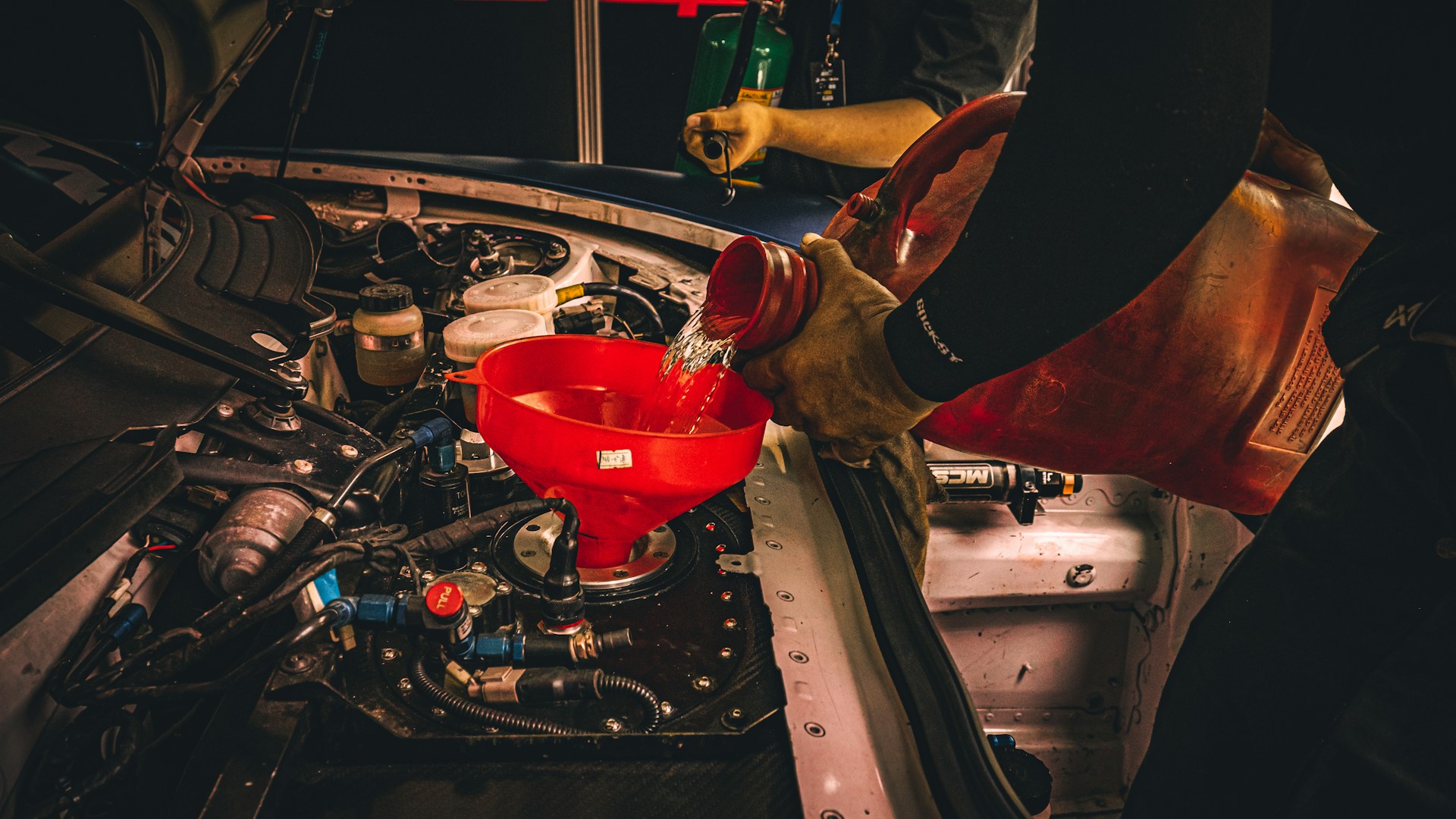
The host is not urging anyone to skip oil changes. His point is that the right interval is different for every driver, and that frequent changes carry costs and risks people forget.
The 3,000 Mile Rule Comes From The Days Of Mineral Oil
He explains that the old 3,000 mile advice dates from a time when cars ran on mineral oil, which broke down at a fair old rate. Oil lost its protection quickly, so a short interval made sense.
Oil has come a long way since then. Synthetics and advanced additive packs are far better than what was available 30 or 40 years ago, which is why some manufacturers now quote intervals of 12,000 to 24,000 miles. He says he is not a fan of the longest intervals himself, and invites viewers to debate it.
Most of his viewers, he says, tend to land around 6,000 to 9,000 miles as the ideal. But a lot depends on the engine, the type of journeys and the car, from small European turbo engines to big American V8s.
Twelve Oil Changes Cost £648 At Budget Prices And £1,356 At A Garage
To compare intervals, he builds a simple model over 36,000 miles, because every interval divides evenly into it. He uses about £54 in oil and filter for a do it yourself job, and says a garage typically charges about £113 for the whole job.
His own local Audi dealer wants about £290 for a single oil change. He jokes that the price may include the privilege of sitting in a luxury lounge with a coffee machine.
Here is how the totals stack up, as he works them out.
- Every 3,000 miles, 12 changes: £648 at budget prices, £1,356 at a garage, and nearly double that at a main dealer.
- Every 6,000 miles, six changes: £324 at the budget end and £678 at a garage.
- Every 9,000 miles, four changes: £216 budget, £452 at a garage, and about £1,200 at a main dealer at roughly £300 a visit.
- Every 12,000 miles, three changes: £162 budget, or about £340 at a garage.
“It Really Does Pay To Learn To Do The Oil Change Ourself”
The gap between the cheapest and the most expensive route is what jumps out at him. Between roughly £339 and £1,356 over 36,000 miles is a big extra cost, he says, and it shows why learning to do the job yourself pays.
His argument is blunt. If you could replace an engine in 10 or 20 years for about two grand, you have to weigh that against what you spent on frequent services. Over the life of a car, he says, the cost of 3,000 mile changes can climb past the price of a replacement engine, and even a reconditioned engine can often be had for less.
That is why he asks viewers to think about whether it is a real saving to spend more on servicing than on repairing or replacing an engine when it finally gives up.
Frequent Changes Also Wear The Sump Plug And The Pan
There are hidden risks too. The sump, the pan that holds the oil, is generally made of aluminium, and some cars now have plastic ones. He says he is not a fan of plastic sumps, because they wear quickly, degrade and are prone to splitting, especially if the under tray is removed or damaged and a stone strikes them.
Every time you loosen and tighten the drain plug, you add wear to the thread, and eventually you can damage it. Good torque control keeps that from happening, but it is very easy to overtighten, and every overtightening adds up.
Oil Analysis Costs Roughly £30 To £50 And Tells You When To Change
His better answer is to let the oil tell you. An oil analysis shows how worn out the oil is and when it needs replacing, and he says it generally only has to be done once or twice. After you build a baseline for your car and your driving, that can carry you through the life of the vehicle.
The test is not expensive: around £30 to £50, or roughly $40 in America, which he says is about half the cost of the oil itself. If there is plenty of life left, you can defer the change for another couple of thousand miles.
The reason is that two drivers with the same engine can have very different needs. Short trips, fuel dilution and moisture all degrade oil and let acids and gunk build up. A driver who does long motorway runs once a week will usually get more miles from the same oil than someone who makes 10 or 15 minute hops every day.
The Takeaway Is To Spend On Results, Not Habit
His conclusion is simple. We may think we are helping the engine by changing oil more often, but we are not doing our pockets much good. Using money more effectively leaves more for other, more enjoyable things.
A practical plan for most drivers is to start with what the manufacturer recommends, shorten the interval if your driving is hard on oil, such as short trips, towing or dusty roads, and consider an analysis to fine tune it. Do the job yourself if you can, or shop around for a fair garage price instead of paying a dealer premium.
The oil still has to be changed. But as this channel shows, changing it on a schedule that fits your car, not an old rule of thumb, can keep your engine healthy and a few hundred pounds in your wallet.
More Stories You May Like
- Dealer Heads To A Public Car Auction With A £10,000 Budget, Then Sees A 126,000 Mile Automatic Draw Bidding That Surprises Him
- Man With A Fleet Of Old Trucks And Cars Finds Every Single One Needs Something, Fixes A Tractor And Brakes, Then Drives The Model T He Bought At 11 With $400
- 1999 Lincoln Town Car Executive With Just 17,000 Miles And A Blue Landau Roof Sells For $13,750, Delivered New To A Dealer In Canton, Ohio