

Regular vehicle maintenance not only extends the life of your car but also ensures your safety while on the road. However, many car owners make critical mistakes when it comes to taking care of their vehicles, which can lead to severe and sometimes life-threatening problems. The following list outlines the 20 most dangerous car maintenance mistakes, providing you with practical advice and interesting facts to help you avoid these potentially costly errors.
1. Ignoring the Check Engine Light
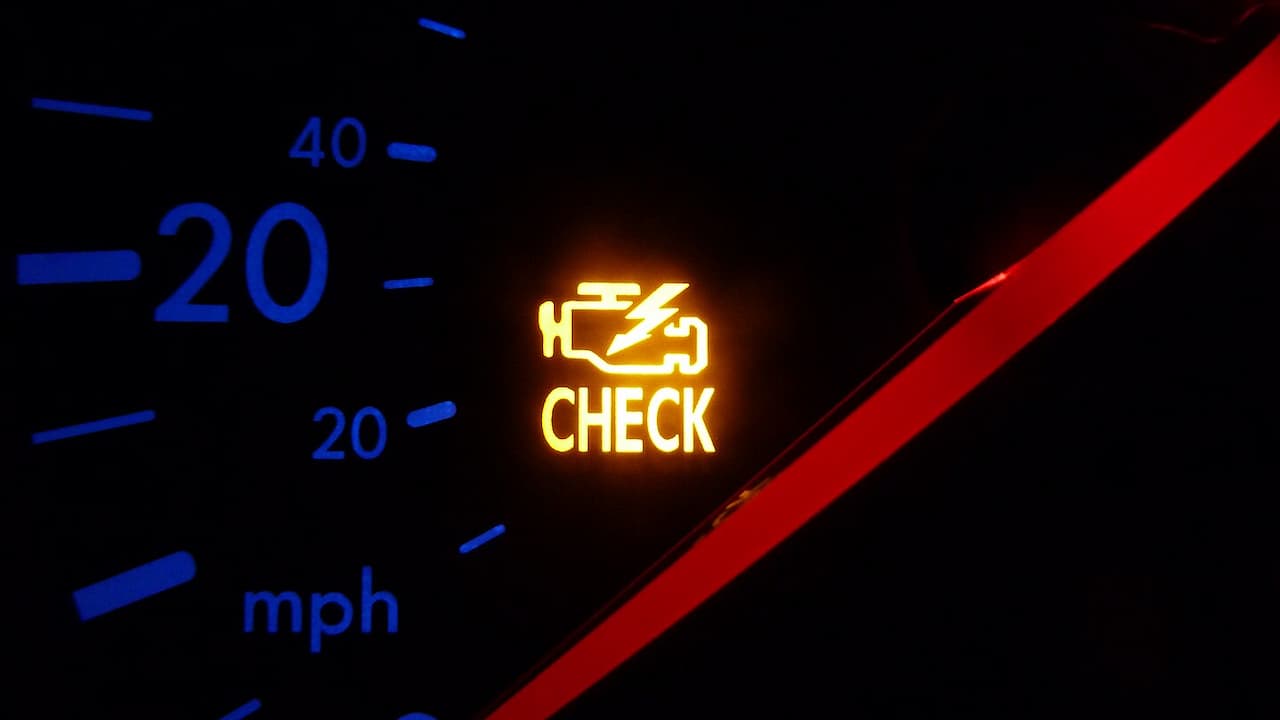
When the check engine light comes on, it’s easy to assume it’s a minor issue and continue driving. This is a dangerous mistake. The check engine light is a warning that something is wrong with your engine and needs immediate attention.
Ignoring the check engine light can lead to serious engine damage and expensive repairs. For instance, a flashing check engine light could indicate a misfire, which can cause irreversible damage to your catalytic converter—a repair that can cost thousands. It’s advisable to take your car to a professional as soon as you see the check engine light.
2. Neglecting Tire Pressure

Many drivers overlook the importance of maintaining proper tire pressure. Driving with underinflated tires can cause poor handling, reduced fuel efficiency, and even tire blowouts—leading to potentially dangerous situations on the road.
Underinflated tires generate more heat, increasing the risk of a blowout, particularly in hot weather. On the other hand, overinflated tires can make your car more prone to skidding, especially in wet conditions. Check your tire pressure regularly, preferably every month, and always before long trips.
3. Skipping Oil Changes

Regular oil changes are one of the most basic yet crucial aspects of car maintenance. Many car owners either forget or intentionally skip this procedure, which can lead to severe engine damage and reduced performance.
Motor oil plays a crucial role in your engine by reducing friction between the moving parts, preventing overheating, and cleaning out dirt and debris. Lack of regular oil changes can lead to the buildup of sludge and debris in your engine, which can cause it to fail. Aim to change your oil every 5,000 to 7,500 miles, depending on your car’s make and model.
4. Overlooking Brake Maintenance
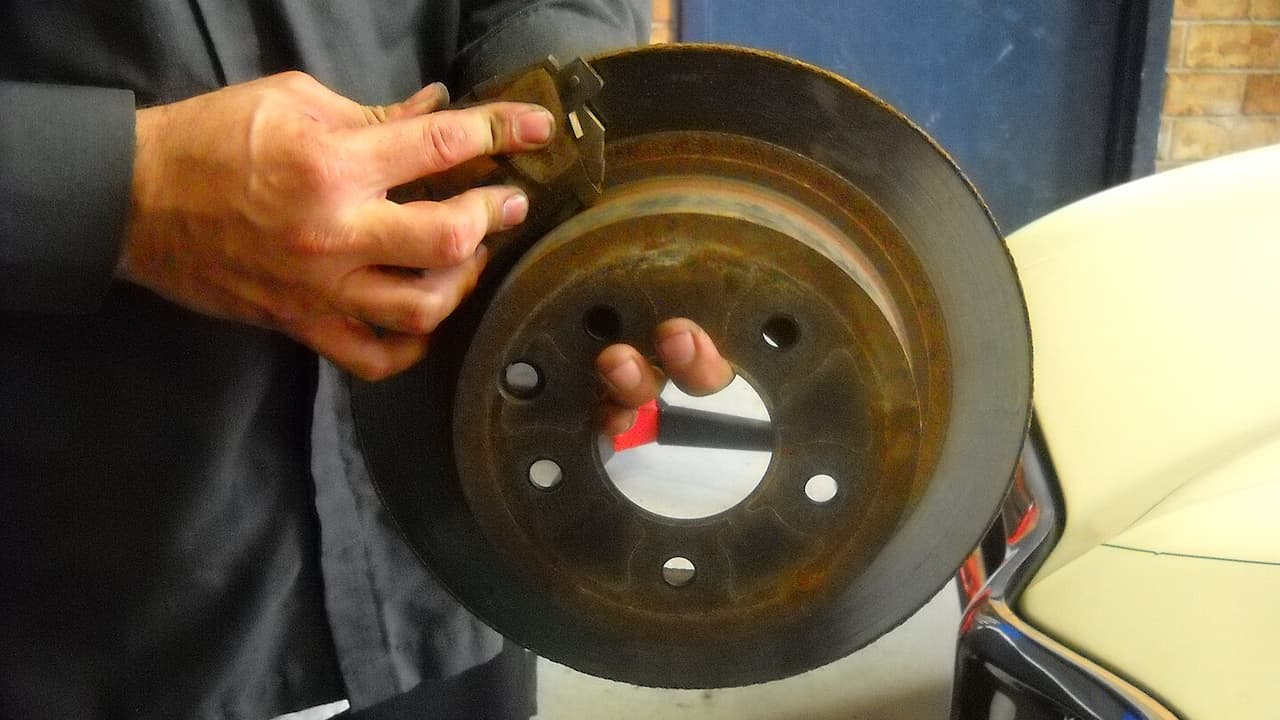
Brakes are one of the most critical safety systems in a vehicle. However, many drivers neglect brake maintenance, risking their lives and those of others on the road.
Failing to replace worn brake pads can lead to metal-on-metal contact, damaging your brake rotors and leading to costly repairs. Additionally, ignoring squeaking or grinding noises from your brakes can lead to brake failure, which can cause accidents. Regular brake inspections and prompt replacements of worn parts can prevent these dangerous situations.
5. Disregarding Fluid Levels

Just as the human body needs fluids to function correctly, so does your car. Ignoring low levels of essential fluids like coolant, brake fluid, power steering fluid, or transmission fluid can lead to severe damage and even catastrophic failure of your vehicle.
For example, if your car’s coolant level is too low, your engine could overheat and potentially seize. Similarly, low brake fluid levels can compromise your car’s braking ability, resulting in dangerous driving conditions. Make a habit of checking your car’s fluid levels regularly, and top them up as needed.
6. Forgetting about the Timing Belt
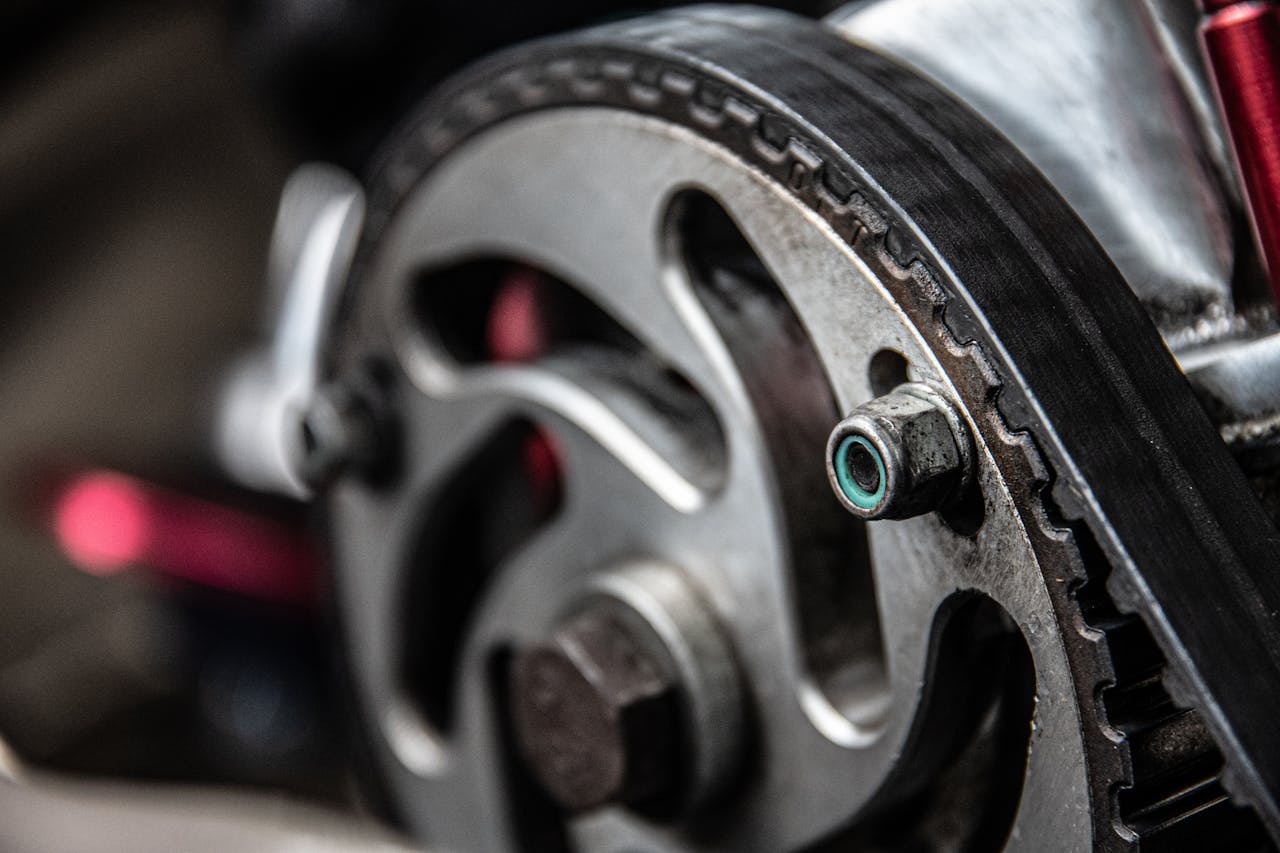
The timing belt is a critical part of your car’s engine. If it breaks while you’re driving, it can cause severe engine damage. However, many car owners forget about it until it’s too late.
The timing belt synchronizes the rotation of the crankshaft and the camshaft, which controls the engine’s valves and pistons. If it breaks, the pistons can collide with the valves, leading to costly repairs. Most manufacturers recommend replacing the timing belt every 60,000 to 100,000 miles.
7. Ignoring the Air Filter

An air filter clogged with dirt, dust, and debris can cause several problems for your car, including decreased fuel efficiency, reduced horsepower, and damage to the spark plugs. Despite this, many car owners forget to change their air filters regularly.
A dirty air filter restricts the flow of air into your engine, which can lead to performance issues. Moreover, a clogged air filter can allow harmful particles into your engine, causing damage. Aim to replace your air filter every 12,000 to 15,000 miles, depending on your driving conditions.
8. Neglecting the Battery
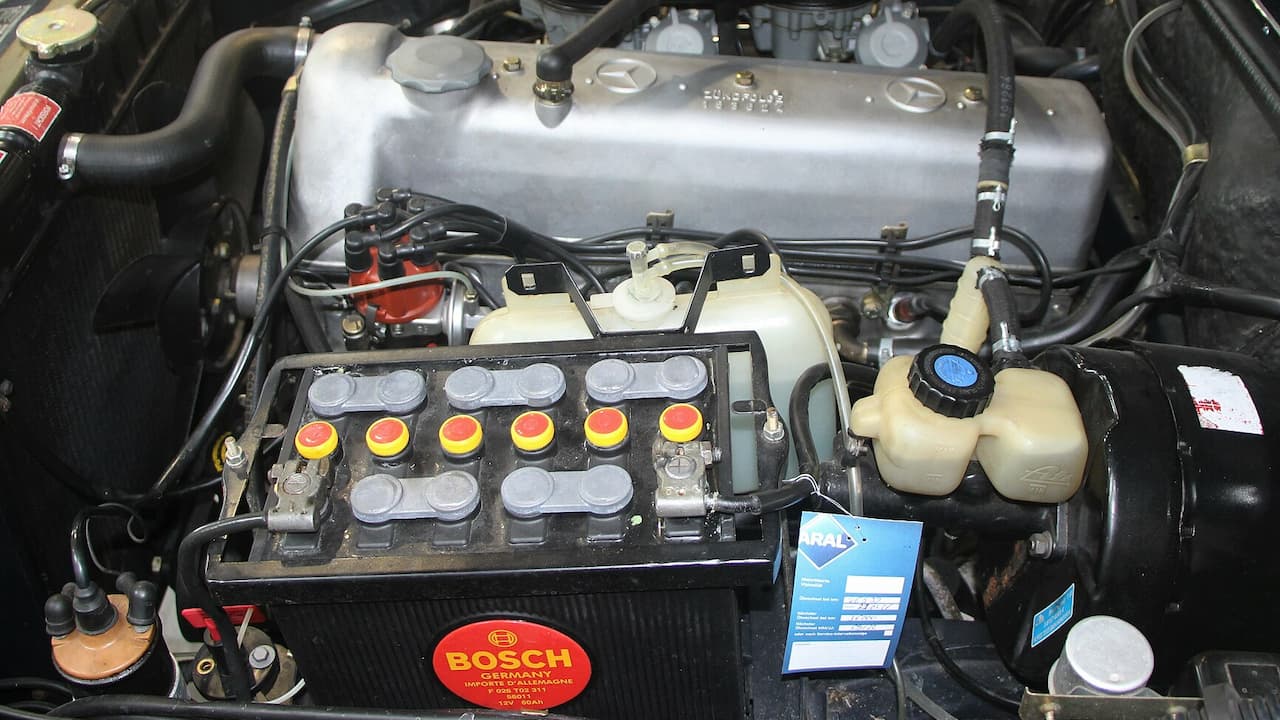
The car battery is often overlooked until it dies, leaving you stranded. Regular battery maintenance can help prevent this scenario and extend the life of your battery.
Corrosion on the battery terminals can prevent your car from starting. Regularly cleaning the terminals and checking the battery’s charge can help prevent these issues. Additionally, car batteries typically last three to five years, so consider replacing your battery after this period to avoid sudden failure.
9. Using the Wrong Fuel

Using the wrong type of fuel can cause serious damage to your car’s engine. Despite this, some drivers mistakenly fill their diesel car with petrol or vice versa.
Putting petrol in a diesel car can cause the engine to misfire, leading to engine damage. On the other hand, diesel in a petrol car can clog up the spark plugs. If you fill up with the wrong fuel, don’t start your car. Instead, get it towed to a mechanic who can drain the fuel tank.
10. Forgetting to Replace Windshield Wipers

Driving with worn-out windshield wipers can significantly reduce visibility during rain or snow, posing a safety risk. However, many drivers forget to replace their wiper blades until they’re practically useless.
Windshield wipers should be replaced every six to 12 months, depending on their condition. If your wipers leave streaks, make noise, or don’t clear the windshield effectively, it’s time for a replacement. Always remember, good visibility is key to safe driving.
11. Not Checking the Lights
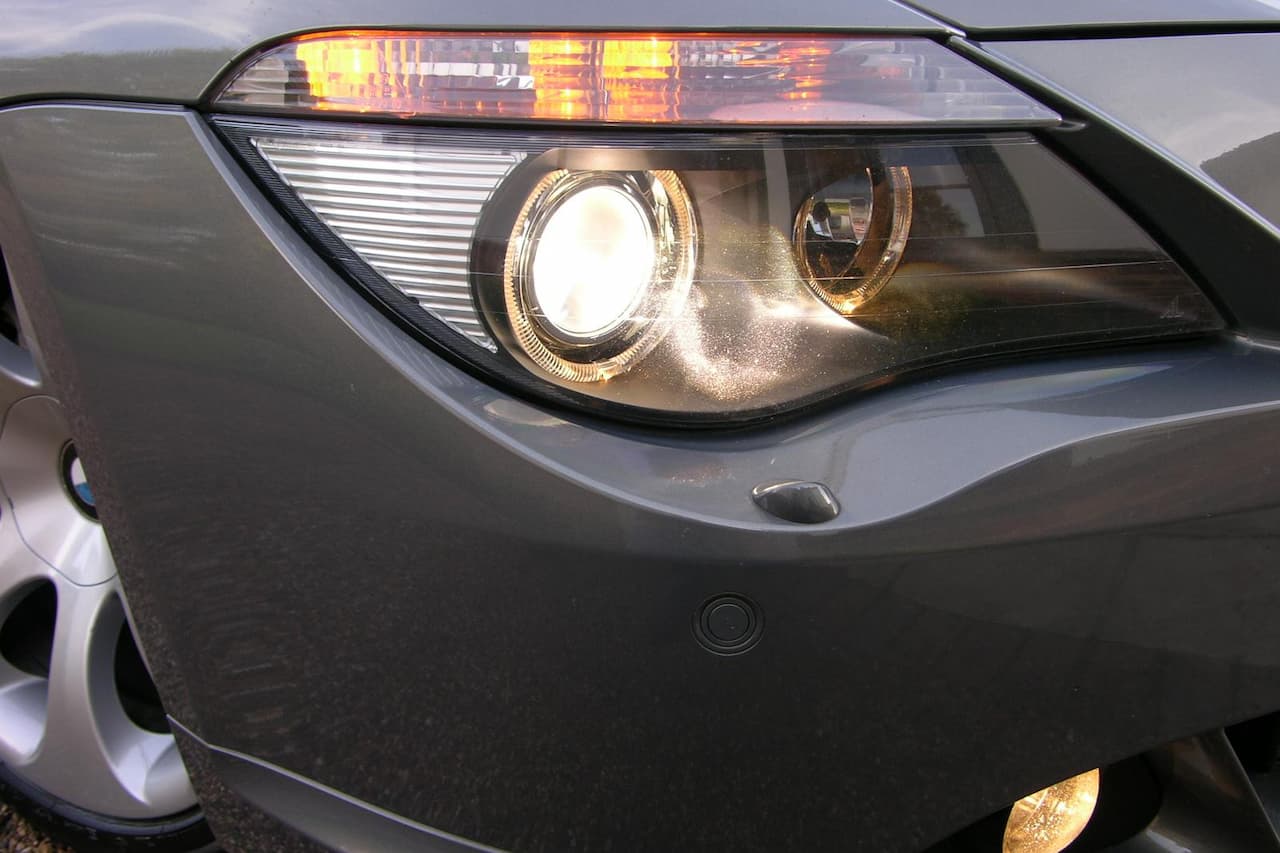
Headlights and taillights play a crucial role in road safety, allowing you to see and be seen by other motorists. Despite this, some drivers neglect to check their lights regularly.
Driving with a burnt-out headlight or taillight not only makes it harder for you to see and for others to see you, but it’s also illegal in many places. Make it a habit to check all your lights regularly and replace any that are burnt out.
12. Overloading Your Vehicle

Overloading your vehicle can lead to various problems, including reduced fuel efficiency, tire blowouts, and compromised handling. However, many drivers ignore their car’s maximum load capacity.
Every vehicle has a Gross Vehicle Weight Rating (GVWR), which is the maximum weight it can safely carry, including passengers, cargo, and the weight of the vehicle itself. Exceeding this limit can strain your vehicle’s suspension, brakes, and tires, leading to premature wear and potential safety issues.
13. Ignoring Strange Noises

Unusual noises from your car often serve as early warnings of potential problems. Ignoring these sounds can lead to more serious issues down the line.
For example, a squealing sound when you apply the brakes could mean your brake pads are worn and need replacing, while a knocking sound from the engine could indicate a serious problem like a failing rod bearing. If your car starts making strange noises, get it checked out by a professional as soon as possible.
14. Disregarding Warning Lights

In addition to the check engine light, your car’s dashboard is equipped with several other warning lights. Ignoring these lights can lead to serious mechanical issues.
For instance, the oil pressure warning light indicates that your engine isn’t getting enough oil, which can cause severe engine damage if not addressed immediately. Similarly, the battery warning light could mean your alternator isn’t charging the battery properly, which could leave you stranded. Always take action when you see a warning light on your dashboard.
15. Not Checking the Spare Tire
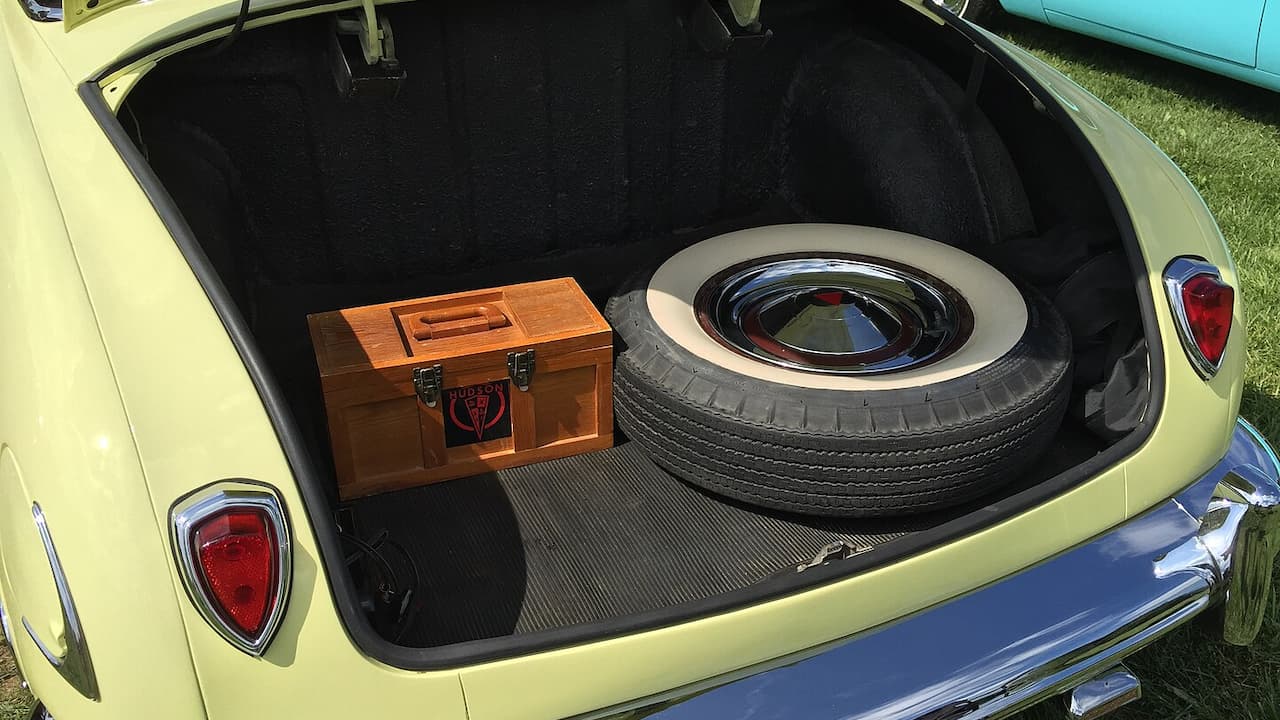
Most drivers forget about their spare tire until they need it. If your spare tire is flat or in poor condition when you need it, you could be stranded.
Regularly checking your spare tire’s condition and pressure can prevent this scenario. Additionally, ensure you have a jack and a lug wrench in your car at all times, as you’ll need these tools to change a flat tire.
16. Skipping Wheel Alignment
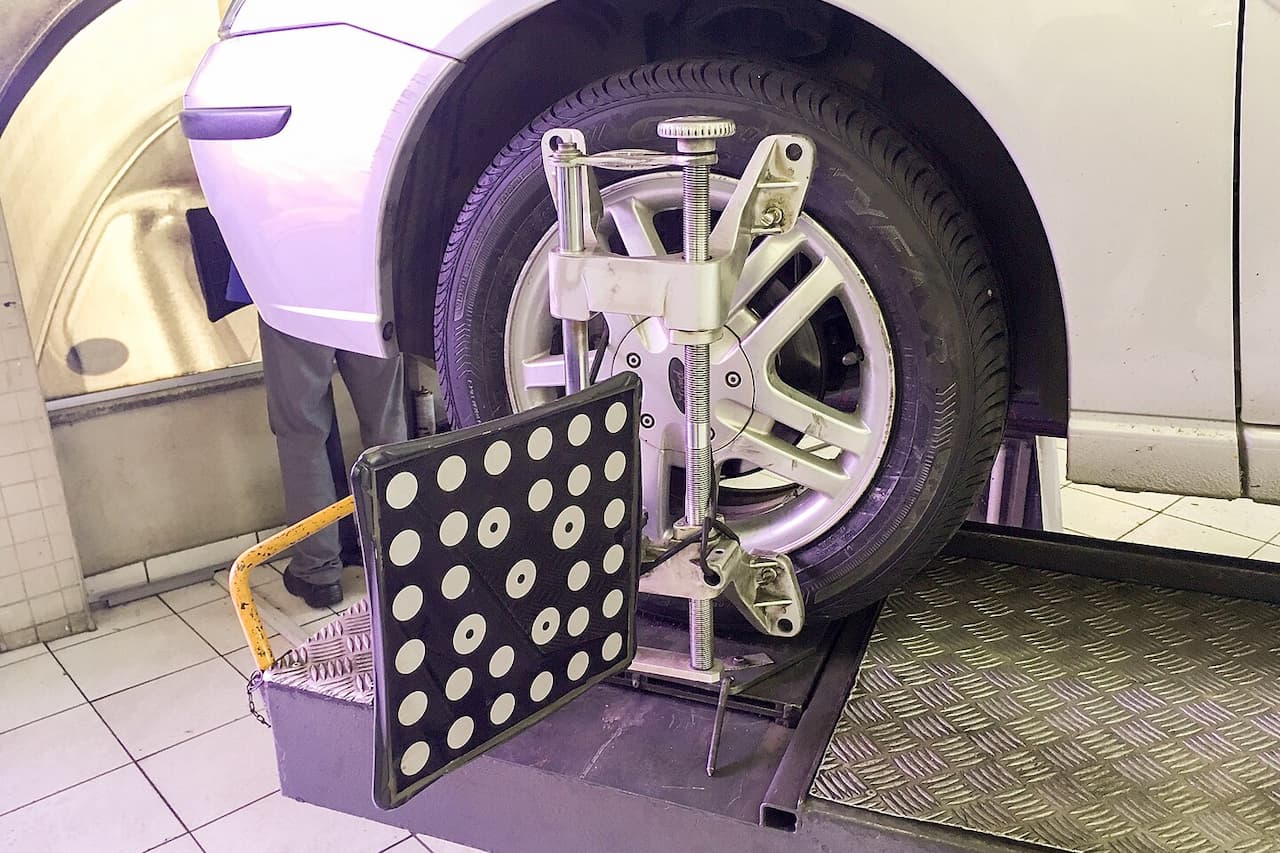
Wheel alignment is crucial for proper handling, tire wear, and fuel efficiency. However, many drivers neglect to have their wheels aligned regularly.
Misaligned wheels can lead to uneven tire wear, poor handling, and increased fuel consumption. If your car pulls to one side, your steering wheel is off center when driving straight, or your tires are wearing unevenly, it’s time for a wheel alignment.
17. Not Checking Belts and Hoses

Belts and hoses are vital parts of your car, but they’re often overlooked during maintenance checks. Worn or damaged belts and hoses can lead to various problems, including engine damage.
Your car’s belts and hoses should be checked regularly for signs of wear, such as cracks, bulges, or leaks. A broken timing belt can cause serious engine damage, while a leaky hose can lead to overheating or loss of power steering.
18. Neglecting the Radiator
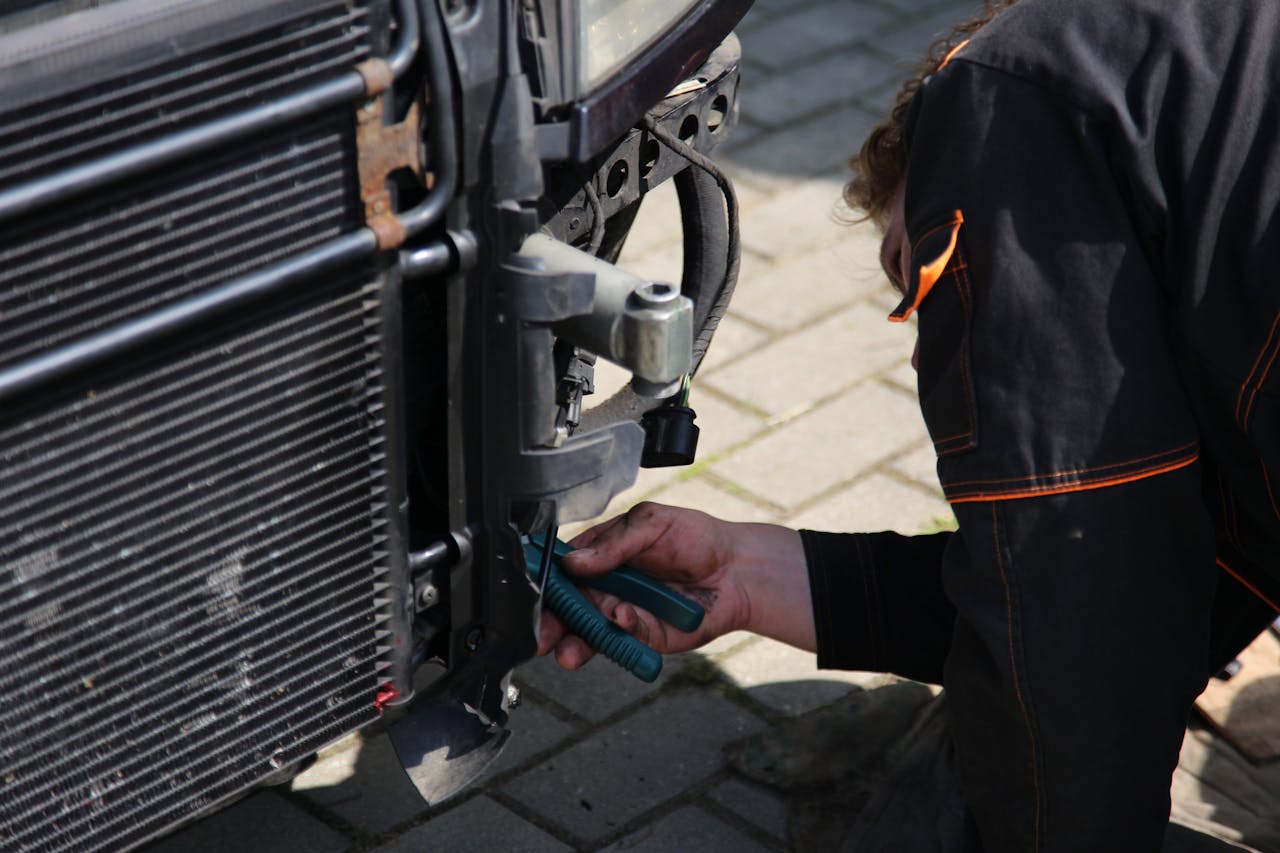
The radiator plays a crucial role in cooling your engine. However, some drivers neglect to maintain their radiator, which can lead to overheating and engine damage.
Regularly checking your radiator for leaks and flushing the cooling system can help prevent these issues. If your engine temperature warning light comes on, pull over immediately to avoid overheating and potential engine damage.
19. Using the Wrong Oil
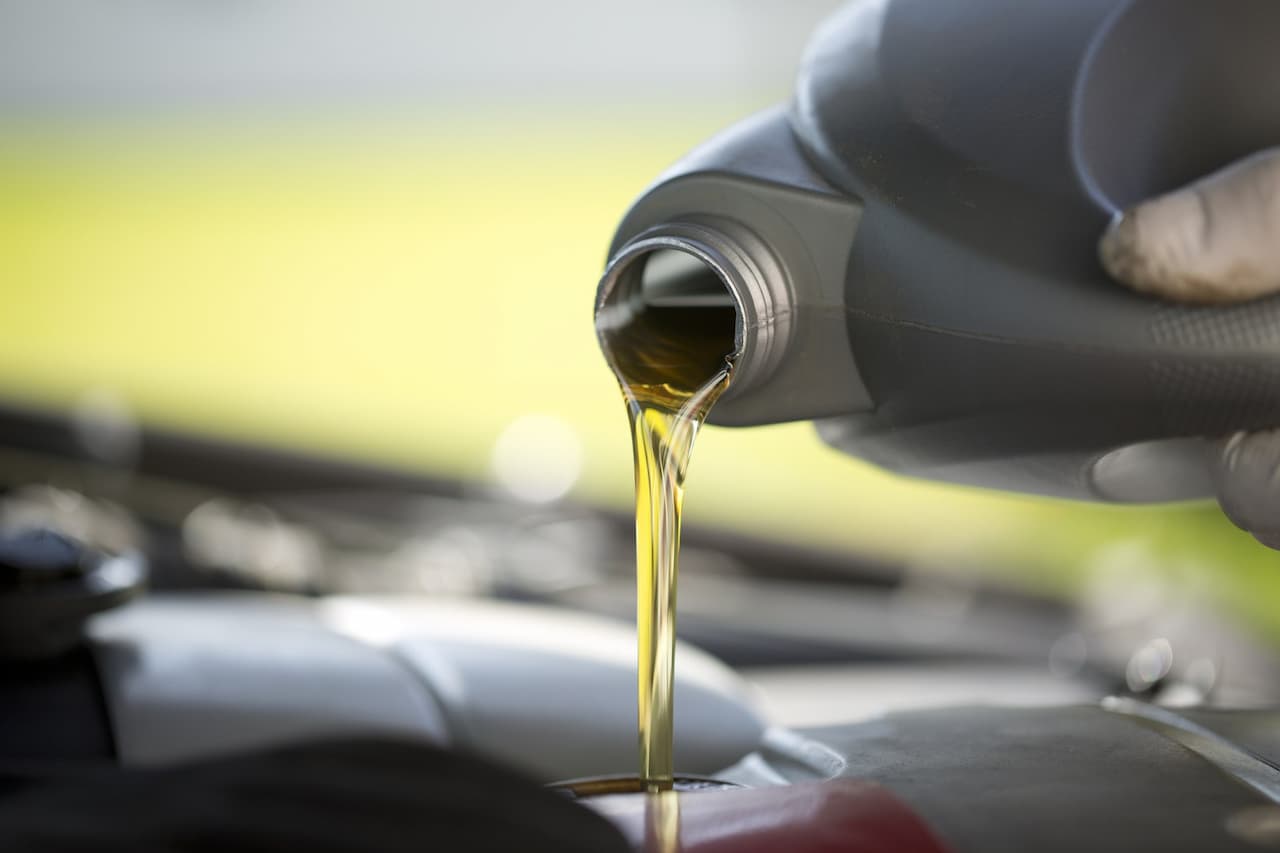
Using the wrong type of engine oil can cause various problems, including decreased fuel efficiency, engine damage, and reduced performance. However, some drivers don’t pay attention to the type of oil they use.
The type of oil your car needs is determined by its make, model, and age. Using the wrong oil can lead to poor lubrication, increased engine wear, and even engine failure. Always use the type of oil recommended by your car’s manufacturer.
20. Forgetting About the Transmission
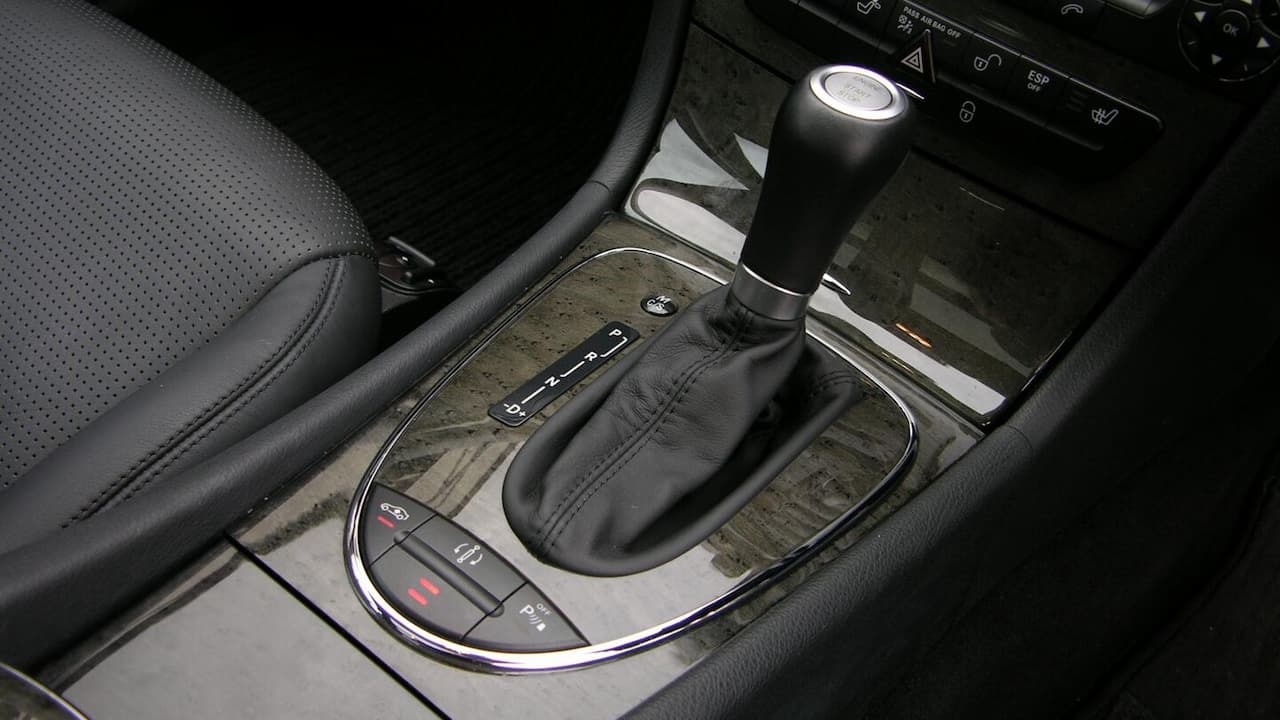
The transmission is a vital part of your car, but many drivers neglect to maintain it. A failing transmission can cause various problems, from poor performance to complete vehicle breakdown.
Transmissions should be serviced regularly to prevent issues like slipping gears, delayed shifts, or complete transmission failure. Regular transmission fluid changes and inspections can help keep your transmission in good condition and prolong its life.