

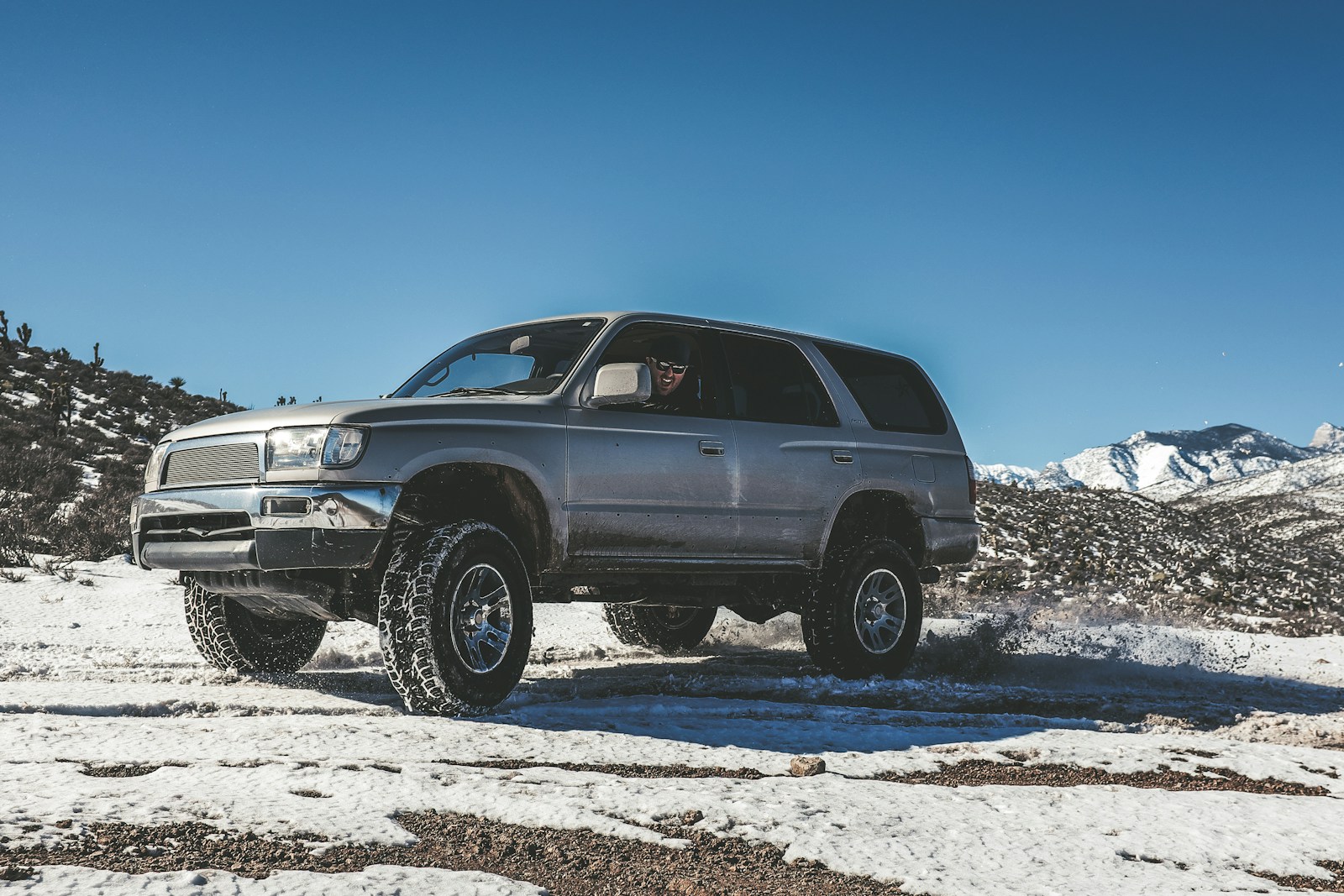
The automotive market is witnessing a significant depreciation in certain SUV models, impacting owners and potential buyers alike. In a landscape where vehicle prices surged during the pandemic, the rapid loss of value for specific SUVs signals a shift that could affect resale values and purchasing decisions. Understanding which models are depreciating the quickest is crucial for consumers navigating this volatile market.
Current Market Trends
According to data from Kelley Blue Book, the average depreciation rate for vehicles has increased, with many SUVs losing value at an alarming rate. Recent statistics indicate that some models have depreciated by as much as 20% within the first year of ownership. This rapid decline is attributed to several factors, including rising interest rates, fluctuating fuel prices, and changing consumer preferences.
Top SUVs Facing Steep Depreciation
Among the SUVs most affected by depreciation, the 2021 Ford Explorer stands out, with a value drop of approximately 24% in just two years. This model, once a bestseller, has faced criticism regarding its reliability and performance, contributing to its steep decline in resale value. Similarly, the 2020 Nissan Pathfinder has seen a 22% drop, primarily attributed to its aging design and lack of modern features that consumers expect in today’s market.
The 2021 Chevrolet Traverse is also among the top depreciators, with a reported 20% loss in value over the last two years. While it offers ample space and comfort, the Traverse has struggled to compete against newer models with advanced technology and better fuel efficiency. Buyers looking for a reliable family SUV may want to reconsider this option due to its declining resale value.
Factors Contributing to Depreciation
Several factors contribute to the rapid depreciation of these SUVs. One major factor is the oversupply of vehicles in the market, stemming from production ramp-ups following supply chain disruptions during the COVID-19 pandemic. This increased availability has led to a buyer’s market, allowing consumers to negotiate better deals, which in turn drives down resale values.
Additionally, rising interest rates have made financing vehicles more expensive, causing potential buyers to be more cautious. As a result, SUVs that were once in high demand are now experiencing diminished interest, leading to a decline in their market value. The shift towards electric and hybrid vehicles also plays a role, as consumers seek out more fuel-efficient options, further impacting traditional gas-powered SUVs.
Consumer Implications
For consumers, the rapid depreciation of certain SUVs can have significant financial implications. Owners looking to sell or trade in their vehicles may find themselves facing lower offers than expected, affecting their overall return on investment. Moreover, potential buyers may want to reconsider purchasing these models, as they could be overpaying in a market where values are constantly shifting.
Experts recommend that consumers stay informed about market trends and consider the long-term value of a vehicle before making a purchase. Researching depreciation rates and reading reviews can provide valuable insights into which models may hold their value better in the long run. For instance, vehicles like the 2021 Toyota RAV4 and the 2021 Honda CR-V are currently noted for their stability in resale values, making them safer bets for buyers.
Conclusion
The landscape of SUV depreciation is evolving rapidly, with certain models notably losing value faster than others. Owners of vehicles like the 2021 Ford Explorer and 2020 Nissan Pathfinder may want to evaluate their options carefully. As the market continues to shift, staying informed about depreciation trends is essential for both current owners and prospective buyers.
As you navigate your next SUV purchase or sale, be sure to consider these depreciation trends. Knowledge is your best asset in making informed decisions in today’s fluctuating market. Don’t miss out on valuable insights—stay updated, and make your next move wisely!