

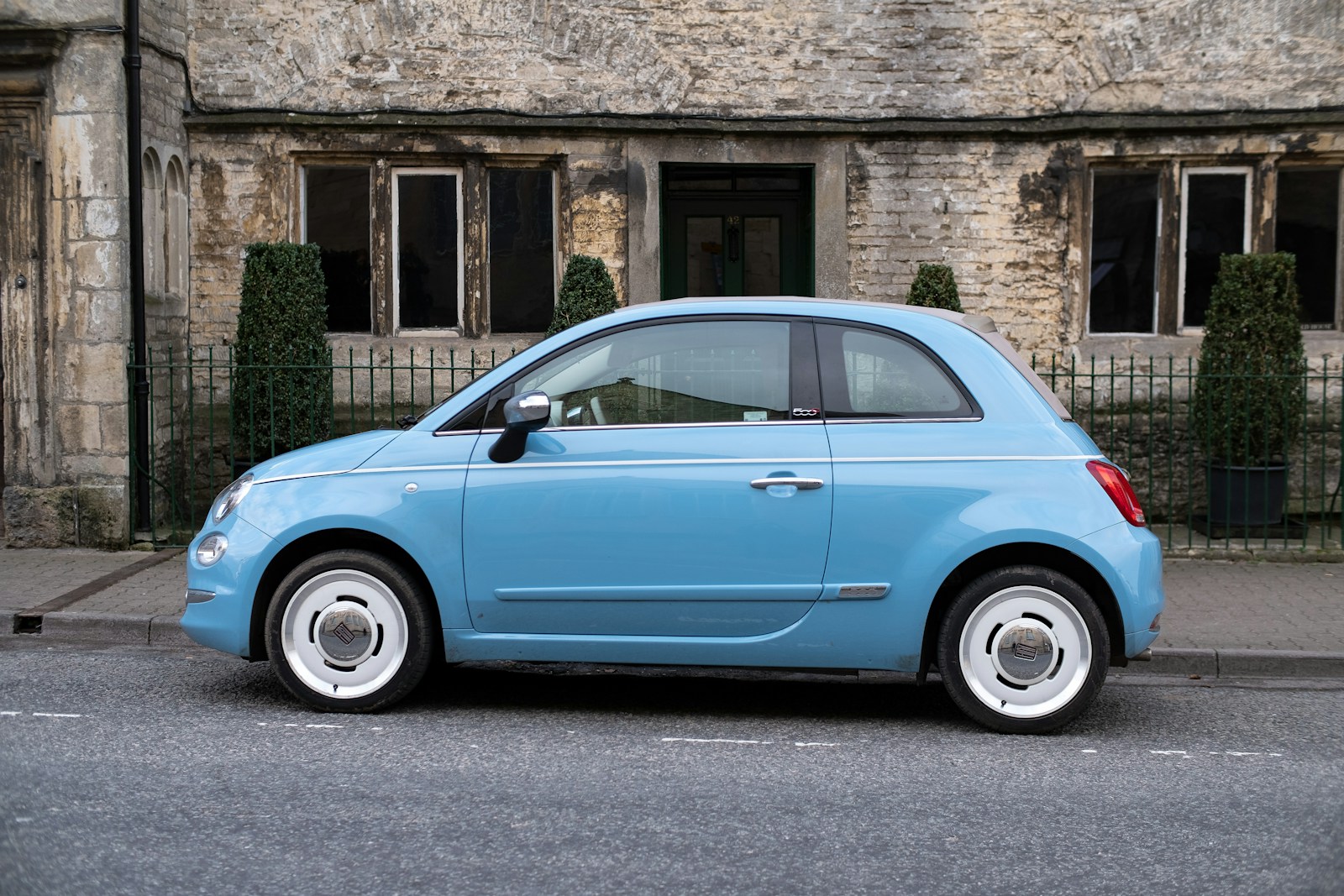
In a significant shift in consumer preferences, new data from the Automotive Industry Association indicates that smaller cars are experiencing a resurgence in popularity in 2025, reversing a long-standing trend favoring larger vehicles. This trend is largely attributed to rising fuel prices and changing urban mobility needs, affecting both manufacturers and consumers alike.
Rising Fuel Prices Drive Demand
The resurgence of smaller cars comes amid soaring fuel prices, which have reached an average of $4.50 per gallon in many metropolitan areas. This steep increase has forced consumers to reconsider their vehicle choices, with many opting for fuel-efficient options that can reduce overall transportation costs. The data shows that sales of compact cars, such as the 2025 Honda Civic and the 2025 Toyota Corolla, have increased by 15% compared to the previous year, marking a significant turnaround in a market that had been dominated by SUVs and trucks.
Changing Urban Mobility Trends
Urbanization and a shift towards more sustainable living are also contributing factors to the growing popularity of smaller cars. As cities implement stricter emissions regulations and invest in public transportation infrastructure, consumers are increasingly drawn to vehicles that are easier to park and maneuver in crowded urban environments. The compact footprint of smaller cars makes them ideal for city dwellers who prioritize convenience and efficiency.
Manufacturers Respond to the Shift
In response to this renewed interest, automotive manufacturers are ramping up production of smaller models. According to industry insiders, companies like Ford and General Motors are reallocating resources to develop new compact models and enhance existing ones. For instance, the 2025 Ford Fiesta is set to debut with improved fuel efficiency features and technology upgrades, indicating a strategic pivot towards meeting consumer demand for smaller vehicles.
Consumer Sentiment and Market Impact
Consumer sentiment regarding vehicle ownership is also changing. A recent survey conducted by the National Automobile Dealers Association found that 67% of respondents prefer fuel-efficient vehicles due to rising energy costs and environmental concerns. This shift has significant implications for the automotive industry, as manufacturers may need to adjust their marketing strategies to appeal to a more eco-conscious consumer base.
Challenges Ahead for Larger Vehicles
The growing preference for smaller cars poses challenges for larger vehicle segments, particularly SUVs and trucks. Sales of these larger vehicles have seen a decline of approximately 10% in the first quarter of 2025, according to the latest reports. While many consumers still value the versatility and space that SUVs provide, the cost-effectiveness of compact cars is becoming increasingly appealing.
Environmental Considerations
The environmental impact of the shift towards smaller cars cannot be overlooked. With rising concerns over climate change and emissions, smaller vehicles generally produce less carbon dioxide and consume less fuel, making them a more sustainable option. As cities and states continue to adopt stricter emissions regulations, the demand for fuel-efficient vehicles is expected to rise further, reinforcing the trend towards smaller cars.
Future Predictions
As the automotive landscape evolves, experts predict that smaller cars will remain a staple in the market for the foreseeable future. Industry analysts estimate that by 2027, compact car sales could account for nearly 30% of the total vehicle market, a notable increase from the 20% recorded in 2022. This shift is likely to influence not just manufacturers but also policymakers who may need to adapt infrastructure and regulations to accommodate the changing automotive landscape.
Conclusion: A Call to Action
As the trend towards smaller cars gains momentum, consumers are encouraged to consider their vehicle options carefully, factoring in not just cost but also fuel efficiency and environmental impact. With the automotive market adapting to these changes, now is the time for potential buyers to explore the benefits of smaller vehicles. Stay updated on the latest industry developments and make informed choices that align with your needs and values.