

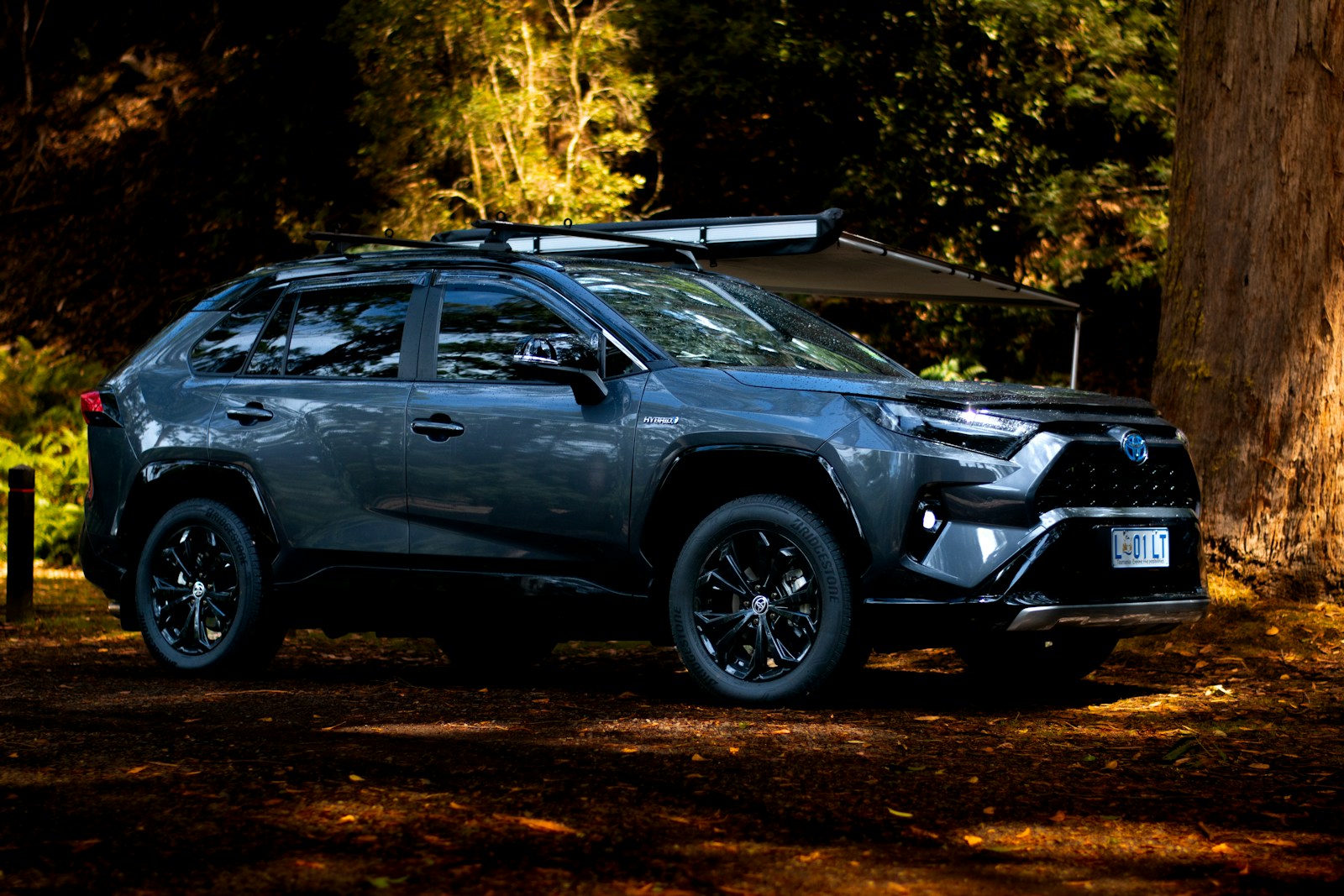
Recent reports indicate that owners of Toyota hybrid vehicles are experiencing unprecedented levels of battery failures, raising concerns about the reliability of the automaker’s hybrid technology. With millions of hybrid models on the road, including popular options like the 2019–2021 Toyota RAV4 Hybrid and the 2020–2022 Toyota Camry Hybrid, the implications of these battery issues are significant for both consumers and the company itself.
Rising Complaints from Consumers
According to data compiled by the National Highway Traffic Safety Administration (NHTSA), complaints regarding battery failures in Toyota hybrids have surged by over 150% in the past year. Many owners report that their vehicles’ hybrid batteries are failing unexpectedly, often leading to costly repairs and extended downtime. Some users have noted that their vehicles display warning lights indicating battery issues, while others have experienced complete power loss while driving.
This wave of complaints has prompted a closer examination of the battery systems used in Toyota’s hybrid lineup. The most affected models include the Toyota Prius, RAV4 Hybrid, and Camry Hybrid, which together account for a significant portion of the company’s hybrid sales. In 2022 alone, Toyota sold over 200,000 hybrid vehicles in the United States, and with battery issues affecting these popular models, consumer trust is at risk.
Manufacturer Response
In response to the growing number of complaints, Toyota has acknowledged the issue and is currently investigating the root causes of the battery failures. A spokesperson for the company stated, “We take these reports seriously and are working diligently to assess the situation.” However, no official recall has been announced as of yet, leaving many owners in a state of uncertainty about potential remedies.
As part of their investigation, Toyota is reviewing manufacturing processes and supplier relationships that may contribute to the battery failures. The company historically has a strong reputation for reliability, and this situation poses a challenge to that image. Industry analysts suggest that if the problems are widespread, Toyota may need to consider a formal recall to address the issues and restore consumer confidence.
Financial Implications for Owners
The cost of replacing a hybrid battery can be substantial, often ranging from $2,000 to $4,000 depending on the model and labor costs. For many owners, this financial burden is compounded by the inconvenience of being without their vehicle during repairs. Reports indicate that some owners have faced wait times of several weeks for battery replacement, further exacerbating the issue.
Many hybrid owners are expressing frustration not only over the cost but also over the lack of clear communication from Toyota about potential solutions. Some have resorted to social media platforms to share their experiences and seek support from other affected owners, creating a community of individuals grappling with similar challenges.
Consumer Rights and Actions
Consumers facing battery failures have several options available to them. The Better Business Bureau (BBB) and NHTSA encourage owners to file formal complaints to document their issues. These complaints can help build a case for a potential recall or further action by the manufacturer. Additionally, affected owners should review their vehicle warranties, as some batteries may still be covered under extended service plans.
In light of the rising complaints, it is advisable for Toyota hybrid owners to stay informed about developments regarding battery issues. Joining online forums or local owner groups can provide valuable insights and updates on the situation, as well as potential solutions from those who have successfully navigated similar problems.
The Bigger Picture: Industry Impact
The battery failure reports do not just affect individual vehicle owners; they could have broader implications for the hybrid market as a whole. Toyota is a leader in hybrid technology, and any setbacks could influence consumer perceptions of hybrid vehicles, especially as more automakers enter the electric and hybrid space. With increasing competition, maintaining a reliable reputation is crucial for Toyota’s market position.
As the world shifts towards more sustainable automotive solutions, the reliability of hybrid technology will play a vital role in consumer decisions. The current battery failure crisis could hinder progress in hybrid adoption if left unresolved, potentially impacting Toyota’s sales and market share.
Call to Action
For Toyota hybrid owners facing battery issues, it is crucial to document any problems and seek assistance from your local dealer or service center. Stay vigilant in following developments regarding this situation, and consider joining consumer advocacy groups to amplify your voice. As reports continue to emerge, proactive measures can help ensure that your concerns are addressed effectively.