

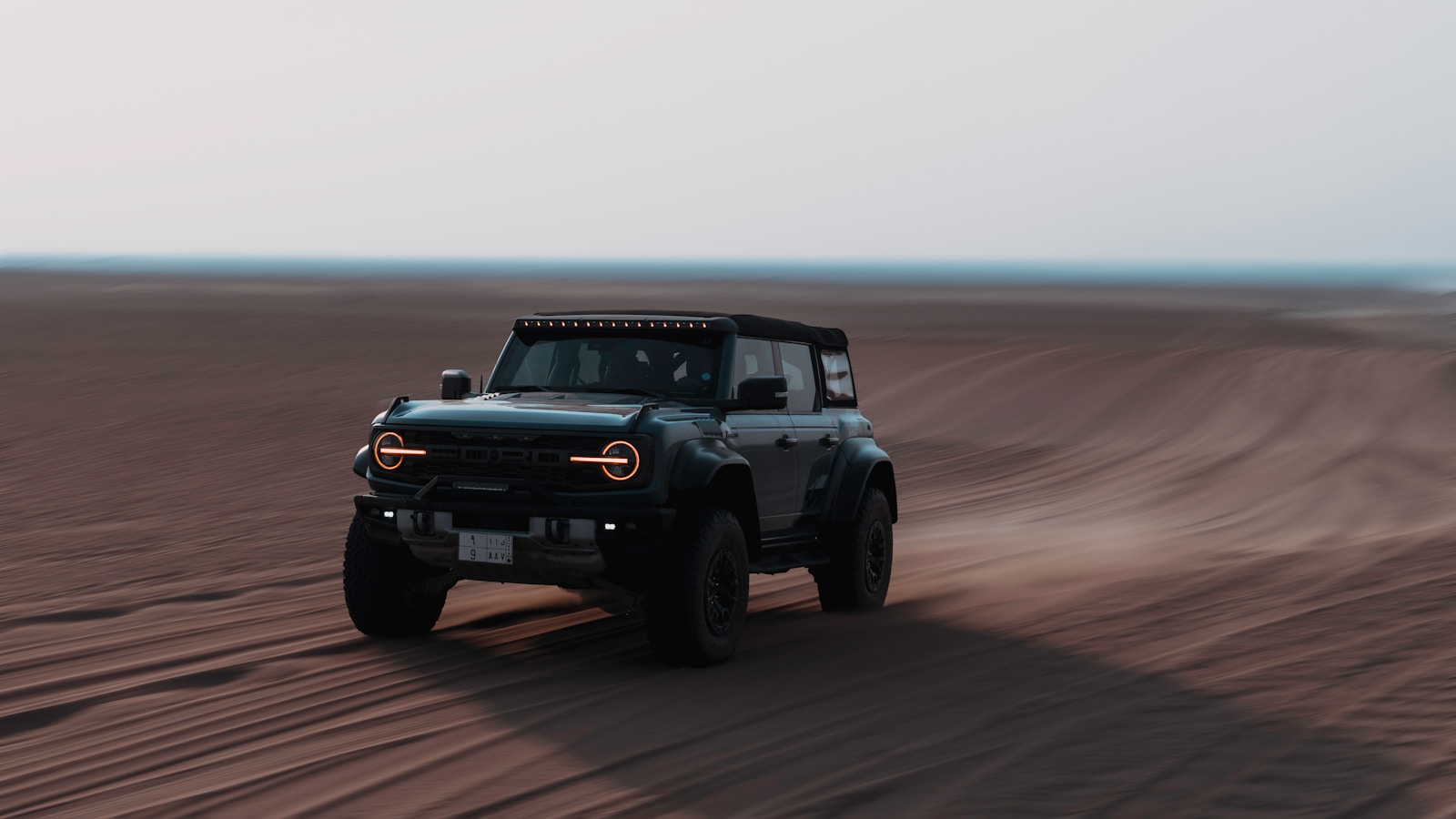
Ford Bronco owners across the United States are raising alarms over reported failures of the vehicle’s roof, prompting the National Highway Traffic Safety Administration (NHTSA) to initiate a review of the issue. The concern centers on the 2021 and 2022 models of the iconic SUV, which have been celebrated for their rugged design and off-road capabilities. However, numerous complaints have surfaced, suggesting that the roofs of these vehicles could pose a safety risk, particularly in adverse weather conditions.
Nature of the Complaints
Reports from Bronco owners indicate that the roofs can detach or develop serious leaks, which may lead to water damage and reduced structural integrity. One owner from Florida shared that during a recent storm, water poured into the vehicle’s cabin after the roof began to separate. Another complaint mentioned a roof that completely blew off while driving at highway speeds, creating a dangerous situation for both the driver and surrounding vehicles. These incidents have prompted significant concern among current Bronco owners and potential buyers.
NHTSA’s Response
The NHTSA announced it is reviewing these complaints as part of its ongoing commitment to vehicle safety. The agency has received over 50 reports concerning roof issues in the 2021 and 2022 Ford Bronco models, with some owners claiming to have experienced multiple failures. While the NHTSA’s investigation is in its early stages, it could potentially lead to a formal recall if the issues are deemed widespread and hazardous.
Impact on Ford and Consumers
Ford has sold over 100,000 Broncos since its reintroduction in 2020, making it one of the most popular SUVs in its class. The company’s reputation for quality and safety is at stake, particularly as it competes with other manufacturers in a booming SUV market. A recall could not only affect current owners but also deter future sales, especially as consumers become increasingly vigilant about vehicle safety.
Owner Reactions
Many Bronco owners are expressing frustration and disappointment over the roof issues. Social media platforms and online forums have become hotbeds for discussions about the problem, with owners sharing their experiences and seeking advice on how to address the failures. Some have even taken to legal action, claiming that Ford should be held accountable for the defects. The situation has ignited a sense of community among Bronco enthusiasts, who are rallying together to demand solutions from the manufacturer.
Potential Solutions and Future Actions
As the NHTSA investigation unfolds, it remains unclear what specific actions Ford may take to rectify the situation. Possible solutions could include a recall for repairs or replacements of faulty roofs. Ford may also need to enhance its quality control processes to prevent similar issues in future models. Owners have expressed a desire for clear communication from Ford regarding the investigation and any forthcoming measures.
Industry Implications
This incident raises broader questions about quality control in the automotive industry, especially as vehicles become more complex with advanced technology and innovative designs. The Bronco’s challenges could set a precedent for how manufacturers address defects and communicate with consumers. Other automakers may closely observe the NHTSA’s actions and Ford’s response as they navigate their own product quality issues.
What Owners Should Do Now
For current Ford Bronco owners experiencing roof issues, it is crucial to document any problems and report them to the NHTSA. Owners can file complaints through the agency’s website, which may aid the investigation. Additionally, keeping a record of any repairs or interactions with Ford can be beneficial should a recall or legal action occur. Prospective buyers should also stay informed about the investigation, as it may influence their purchasing decisions.
Conclusion
The reported roof failures in the 2021 and 2022 Ford Bronco models pose a serious concern for both current owners and Ford itself. With the NHTSA now reviewing the situation, the automotive community is on alert for potential developments. It is essential for affected owners to take action by reporting their experiences and staying updated on the investigation’s progress. Ensuring vehicle safety is a shared responsibility between manufacturers and consumers, and a proactive approach is necessary to address these critical issues.