

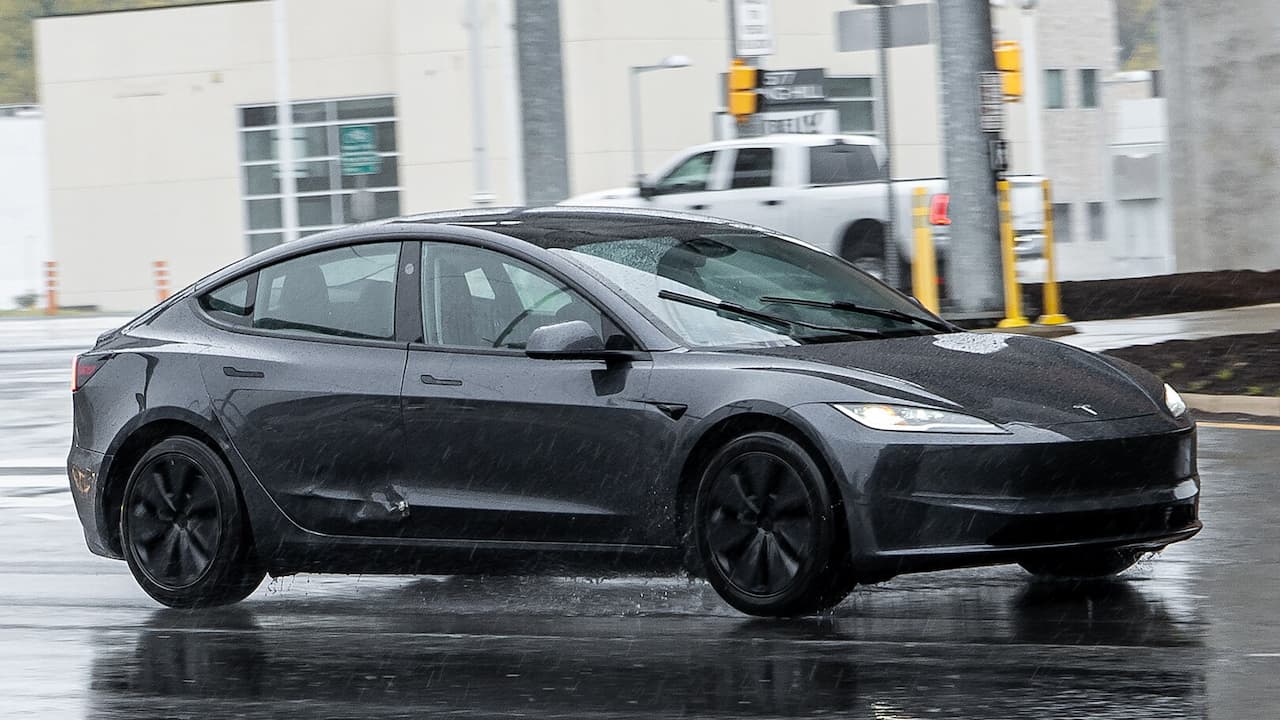
Tesla Model 3 owners are experiencing a significant increase in repair costs once their vehicle warranties expire, raising concerns about the long-term ownership experience of one of the company’s most popular electric vehicles. This trend is particularly alarming given that the Model 3, first introduced in 2017, has been touted for its affordability and advanced technology compared to traditional combustion vehicles.
Growing Repair Costs Post-Warranty
According to a recent survey conducted by automotive research firm, iSeeCars, Tesla Model 3 owners reported an average increase of 30% in repair costs once their four-year, 50,000-mile warranty expired. This surge in expenses is primarily attributed to both the high cost of Tesla parts and the specialized labor required for repairs, which is not as readily available as for more conventional vehicles.
One owner, who purchased a 2019 Model 3, shared that a recent battery replacement cost nearly $4,500, a figure that can be staggering for many drivers. While the initial purchase price of the Model 3 is competitive with similar electric vehicles, ongoing maintenance and repair costs are becoming a growing concern for owners as they surpass those of some luxury combustion cars.
Impacts of Increased Repair Costs
The rising repair costs have prompted discussions among current and prospective Tesla owners regarding the overall value of the Model 3. Many owners are now reconsidering their future purchases, with some contemplating switching to other electric vehicle brands that may offer more comprehensive warranties or more reasonable repair costs.
In a separate report by Consumer Reports, it was highlighted that while Tesla vehicles generally hold their resale value well, the unpredictability of repair costs could deter potential buyers. The organization warns that as more Model 3 vehicles come off their warranty, the financial burden of ownership could affect the overall market for electric vehicles.
Factors Contributing to Increased Repair Costs
Several factors contribute to the rising repair costs for Tesla Model 3 owners. First, the limited number of authorized service centers means that owners may have to travel significant distances for repairs, leading to additional costs in labor and parts. Additionally, Tesla’s unique technology, such as its battery systems and autonomous driving features, often necessitates specialized knowledge that can further elevate repair costs.
Furthermore, the prices of Tesla parts have been known to fluctuate. For instance, a replacement windshield for a Model 3 can cost around $1,500, compared to about $300 for a comparable part on many conventional vehicles. Such discrepancies in parts pricing are causing frustration among owners who expected lower maintenance costs for an electric vehicle.
Warranty Extensions and Insurance Options
In response to the rising repair costs, Tesla has begun offering extended warranty plans for the Model 3, which could provide some financial relief to owners. The extended warranty options, however, come with a price tag that can be as high as $2,000, leading some owners to weigh the benefits against the potential repair savings.
Insurance options specifically tailored for electric vehicles are also becoming more prevalent. These policies can cover some of the higher costs associated with repairs and replacements specific to electric vehicles. Experts recommend that Model 3 owners consider these options to offset potential expenses as their vehicle ages.
Community Reactions
The Tesla owner community is increasingly vocal about their experiences with repair costs. Online forums, such as the Tesla Motors Club, have seen a surge in discussions surrounding repair experiences and costs, with many members sharing tips and recommendations for managing expenses. Some owners have even suggested creating cooperative networks to share resources and information related to repairs.
In addition, consumer advocacy groups are urging Tesla to provide clearer information regarding long-term ownership costs and to consider enhancements to warranty offerings. They argue that transparency is essential for maintaining customer trust and satisfaction in an increasingly competitive electric vehicle market.
The Future of Tesla Model 3 Ownership
The concerns surrounding rising repair costs post-warranty pose a significant challenge for Tesla as it seeks to maintain its reputation for innovation and customer satisfaction. As the company continues to expand its product lineup, it will need to address these issues to ensure that current and future owners feel confident in their investment.
In conclusion, while the Tesla Model 3 has made strides in the electric vehicle market, the increasing repair costs once warranties expire could influence consumer decisions moving forward. Stakeholders, including current owners, prospective buyers, and Tesla itself, must stay informed and proactive in addressing these challenges. Tesla owners are encouraged to evaluate their options carefully, consider extended warranties, and stay engaged with the community to navigate these rising costs effectively.
For anyone considering