

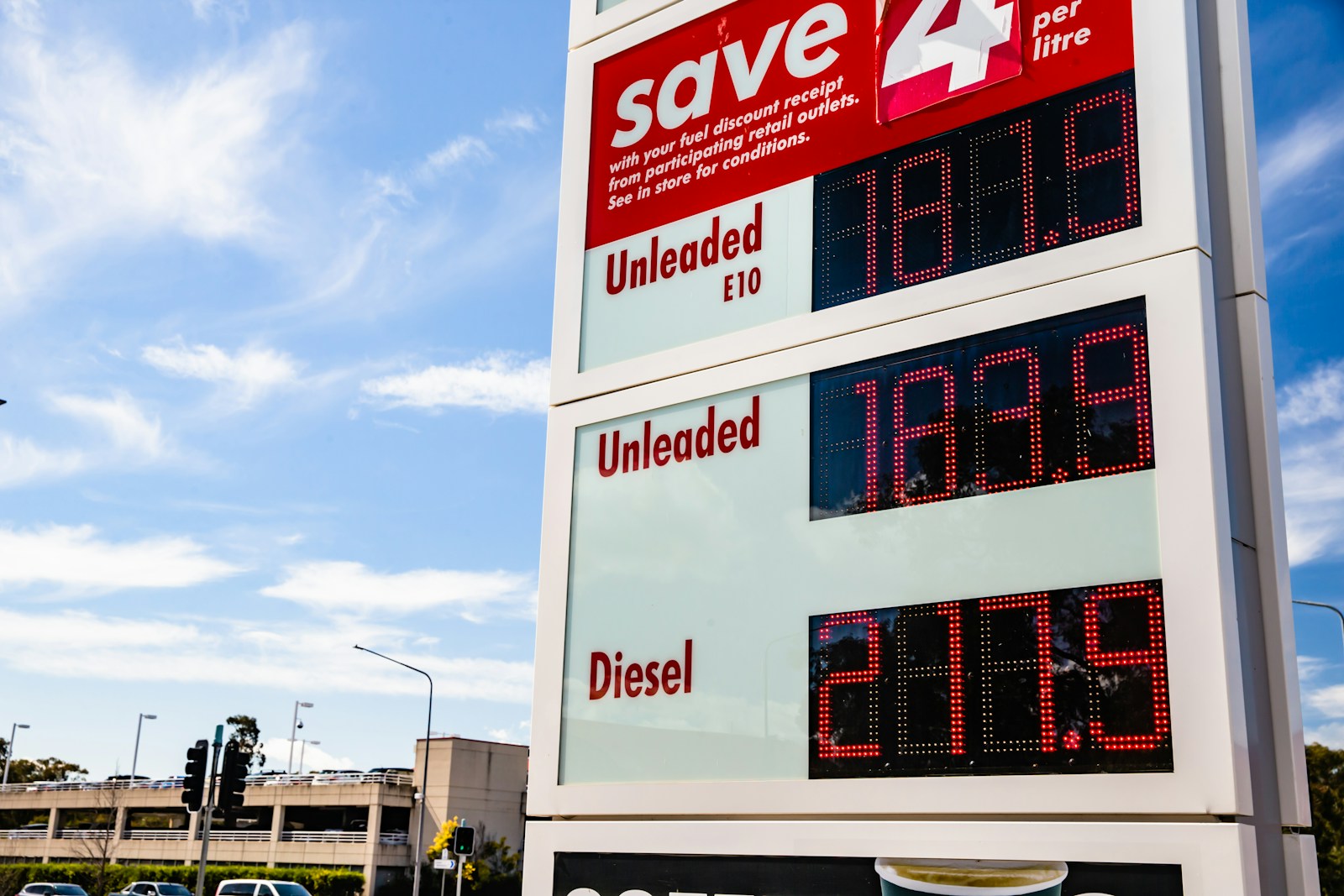
Inflation is significantly affecting gas prices nationwide, creating financial strain for motorists and impacting overall economic stability. As of October 2023, the national average for a gallon of regular unleaded gasoline stands at $3.89, up from $3.15 a year ago, representing a 23% increase. This escalation in fuel costs is forcing consumers to reconsider their budgets and travel plans, influencing both household spending and broader economic trends.
Regional Variations in Gas Prices
The impact of inflation on gas prices is not uniform across the United States. States like California and Hawaii are experiencing the highest fuel costs, with prices averaging $5.25 and $4.60 per gallon, respectively. In contrast, states such as Texas and Louisiana report averages closer to $3.50 per gallon. These disparities can be attributed to factors including state taxes, transportation costs, and local supply chain dynamics.
For instance, California’s stringent environmental regulations and high state taxes contribute to its elevated prices. On the other hand, Texas benefits from its proximity to oil refineries and lower taxes, allowing it to maintain more affordable fuel prices. This regional variation underscores how inflation interacts with local economic conditions, affecting consumers differently across the country.
Driving Factors Behind Rising Gas Prices
Several factors are driving the surge in gas prices amid ongoing inflation. First, crude oil prices have risen significantly, averaging $85 per barrel in October 2023, compared to $70 per barrel last year. This increase is largely due to global supply chain disruptions and geopolitical tensions, particularly related to oil-producing nations’ production levels.
Moreover, the ongoing effects of the COVID-19 pandemic continue to impact the supply chain, creating bottlenecks that affect the distribution of gasoline. Refineries are also operating under capacity, with many running at around 90% efficiency due to maintenance and staffing challenges. These factors collectively contribute to the rising cost of gas at the pump.
Impact on Consumers and Businesses
The rise in gas prices is having a profound impact on consumers, particularly those who rely on their vehicles for daily commuting or long-distance travel. Many households are finding it increasingly difficult to absorb the costs, which may lead to a restructuring of budgets, cutting back on discretionary spending, or even delaying travel plans.
Businesses, especially those in the transportation and delivery sectors, are also feeling the pinch. For example, companies like FedEx and UPS have reported increased operational costs due to higher fuel prices, which could ultimately translate to higher shipping fees for consumers. This could lead to a cascading effect across various industries, forcing businesses to either absorb costs or pass them on to their customers.
Government and Policy Responses
In response to the rising gas prices, some state governments are considering measures to alleviate the burden on consumers. For instance, several states have proposed temporary gas tax suspensions or rebates to help offset costs. However, such measures can be politically contentious and may not adequately address the underlying issues driving inflation and fuel prices.
At the federal level, policymakers are also examining options to stabilize energy prices, including the possibility of releasing oil from the Strategic Petroleum Reserve. While these measures may provide temporary relief, experts warn that long-term solutions must address the root causes of inflation and supply chain disruptions to achieve lasting stability in gas prices.
The Future of Gas Prices
Predicting future gas prices remains a challenge amid ongoing economic uncertainties. Analysts suggest that prices may continue to fluctuate based on global oil supply dynamics, seasonal demand variations, and potential policy changes. For example, if crude oil prices stabilize or decrease, consumers could see some relief at the pumps in the coming months.
However, inflation remains a persistent concern, and if it continues to drive up operational costs across the supply chain, gas prices may remain elevated. Consumers should be prepared for volatility in fuel costs as the economic landscape evolves.
Conclusion: Stay Informed and Prepared
As inflation continues to impact gas prices across the United States, consumers must stay informed and adjust their budgets accordingly. The financial strain of rising fuel costs can ripple through the economy, affecting everything from personal finances to business operations. Monitoring gas prices and making informed decisions about travel and spending will be crucial in navigating this challenging economic environment.
Now is the time for consumers to take action—consider carpooling, using public transportation, or consolidating trips to save on fuel costs. By staying aware of price trends and adjusting habits, individuals can better manage the financial burden of rising gas prices.