

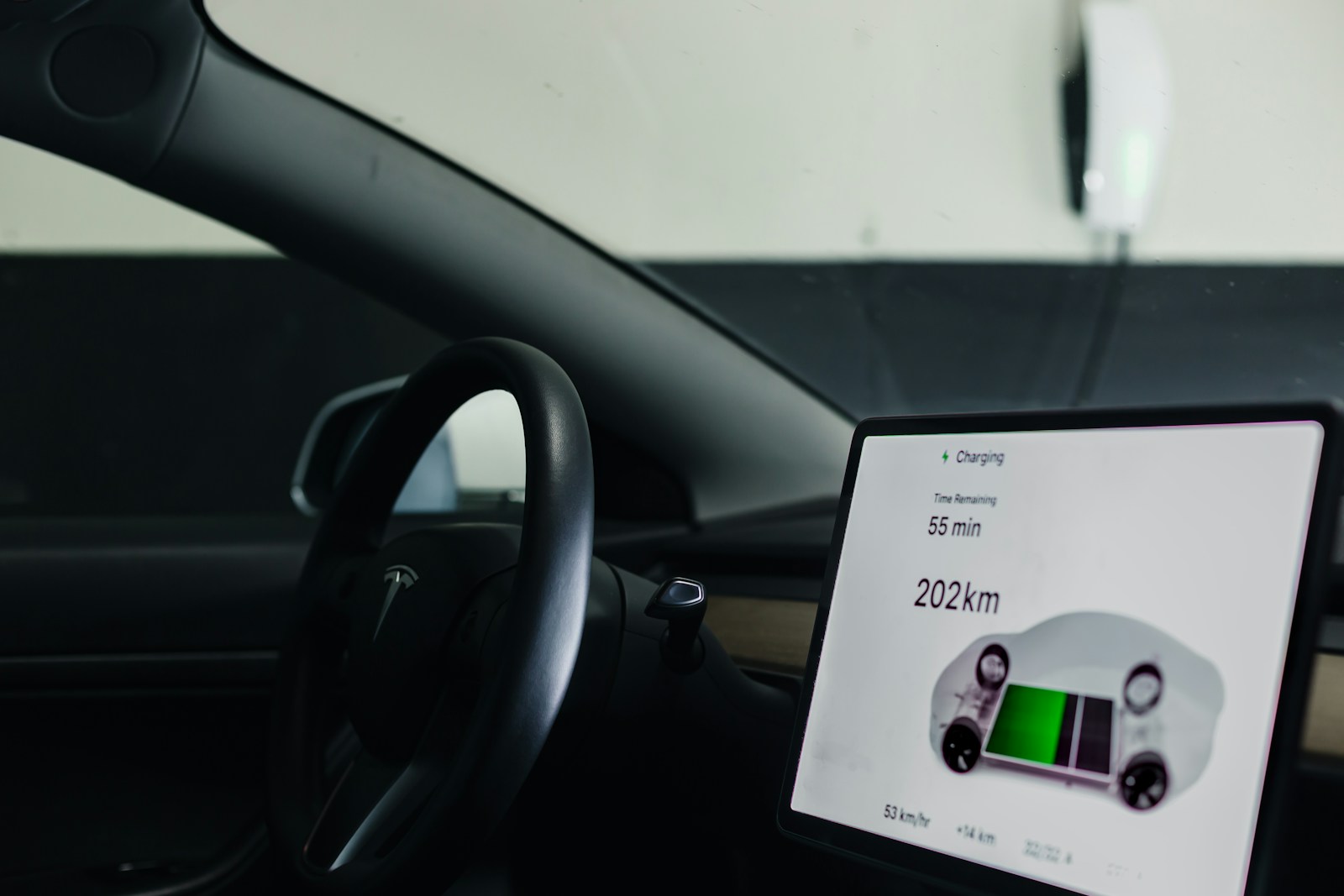
The rising costs of electric vehicle (EV) battery replacements are causing concern among potential buyers, as many may reconsider their purchase decisions due to the financial implications. A recent study indicates that battery replacement costs for certain EV models can reach upwards of $15,000, a figure that could deter consumers who are already hesitant about transitioning from traditional gasoline vehicles. As the auto industry pushes for greater adoption of electric cars, these financial hurdles may significantly impact sales and consumer confidence.
Understanding Battery Replacement Costs
Electric vehicle batteries, typically lithium-ion, are crucial components that determine the range and performance of these vehicles. Over time, these batteries may lose their efficiency, leading to a need for replacement. According to data from the industry, the average cost of replacing a battery in models such as the 2021 Tesla Model 3 can be as high as $13,000, while the Chevrolet Bolt’s replacement may set consumers back around $15,000. This hefty price tag often does not include labor costs, which can further inflate the total expense.
Market Impact and Consumer Sentiment
The prospect of high battery replacement costs is leading to increased apprehension among prospective buyers. A survey conducted by the automotive research firm J.D. Power revealed that nearly 60% of consumers expressed concern about the long-term costs associated with owning an electric vehicle, particularly regarding battery replacement. This sentiment could slow the momentum gained by EV manufacturers, especially as more consumers weigh the total cost of ownership against the initial purchase price of the vehicle.
Comparing Costs to Traditional Vehicles
In contrast, traditional gasoline vehicles generally do not face the same level of concern regarding major component replacements. For instance, while a gasoline engine may require repairs or parts replacement throughout its lifespan, these costs are often less daunting than the potential $15,000 hit for an EV battery. The difference in perceived financial burden may lead many consumers to favor conventional vehicles, particularly those on a budget or with limited disposable income.
Manufacturer Responses to Battery Concerns
In response to these concerns, several automakers are exploring innovative solutions to mitigate battery replacement costs. Companies like Ford and Volkswagen are investing heavily in battery technology research and development, aiming to create longer-lasting batteries that would reduce the frequency of replacements. Additionally, some manufacturers are looking into battery leasing programs, allowing consumers to pay for battery usage rather than outright ownership. This could alleviate the upfront financial burden and make EVs more appealing to buyers.
Government Incentives and Their Role
Government incentives are also playing a crucial role in the electric vehicle market. Various states offer tax credits and rebates for EV purchases, which can help offset high initial costs. However, these incentives often do not address the issue of battery replacement. As policymakers consider future legislation, there is growing pressure to implement measures that also cover battery replacement costs, making electric vehicles more accessible and financially viable for consumers.
Long-Term Viability of Electric Vehicles
Despite the current concerns surrounding battery replacement costs, many experts believe that electric vehicles will become increasingly viable as technology advances. Innovations in battery chemistry and manufacturing processes are expected to lower costs significantly in the coming years. Furthermore, the development of robust recycling programs could provide a sustainable solution for battery disposal and recovery, potentially reducing long-term costs.
Consumer Education and Awareness
As the market for electric vehicles continues to grow, consumer education will be vital. Many potential buyers are unaware of the total cost of ownership associated with electric vehicles, particularly when it comes to battery maintenance and replacement. Auto manufacturers and dealerships must prioritize transparency and provide clear information regarding warranty options, battery life expectancy, and replacement costs. This effort could help build trust and alleviate consumer fears, ultimately encouraging more buyers to consider electric vehicles.
Conclusion
The high costs associated with EV battery replacements represent a significant barrier for many consumers contemplating the switch to electric vehicles. As the industry evolves and more models enter the market, it is crucial for manufacturers, policymakers, and consumers to address these concerns head-on. For potential buyers, understanding the financial implications of owning an electric vehicle is paramount. With the market poised for growth, informed decision-making can help shape the future of transportation. It is essential to stay informed about developments in battery technology and the broader EV market to make educated choices. Act now—understand the costs and benefits of electric vehicles before making your next automotive investment.