

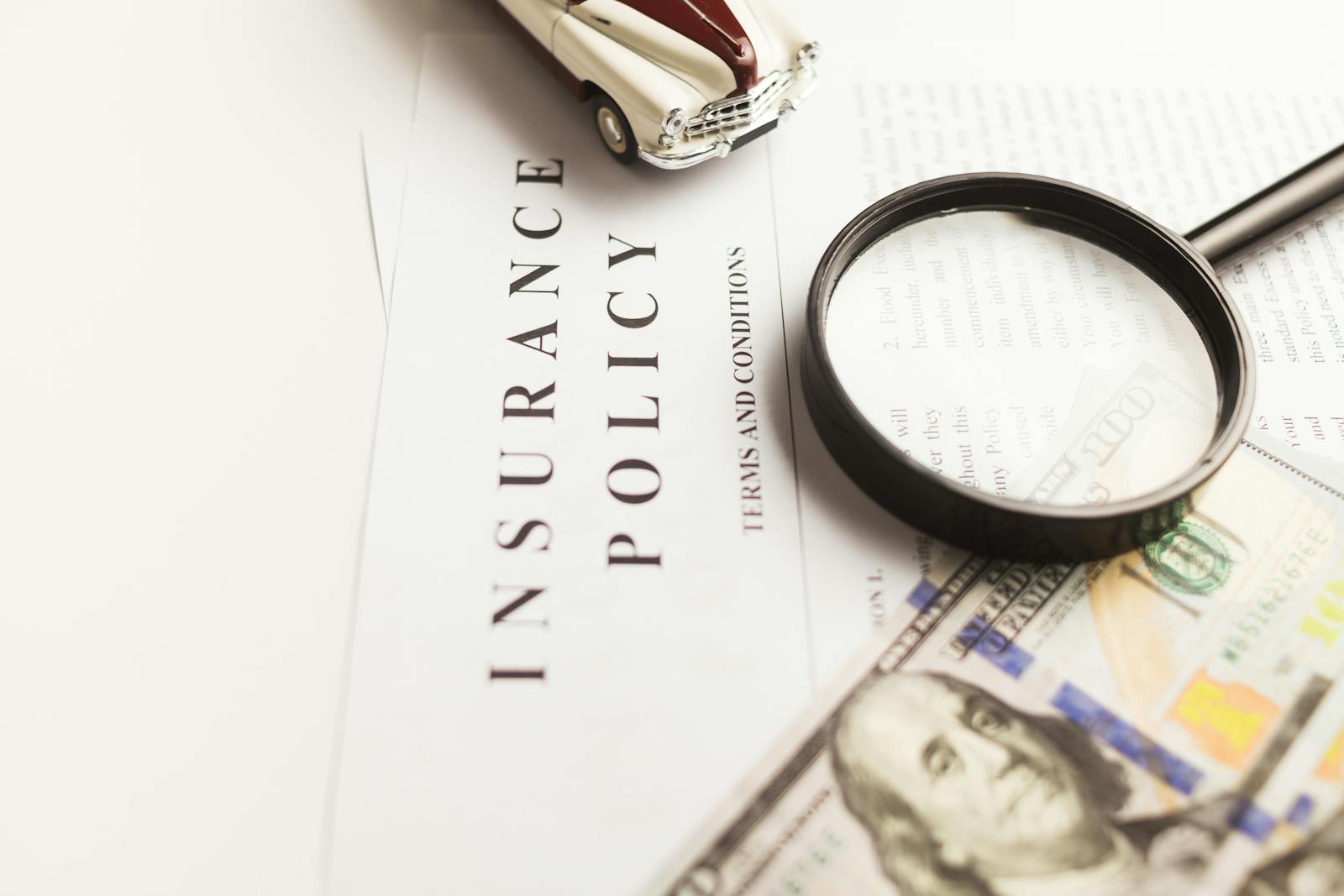
Insurance companies are increasingly raising rates on older vehicles, affecting millions of drivers across the United States. This trend is driven by rising repair costs, supply chain issues, and increased accident rates, which collectively make insuring older cars more expensive for insurers. As a result, consumers with vehicles older than ten years may soon see an increase in their insurance premiums, affecting their overall transportation costs.
Rising Repair Costs
One significant factor contributing to increased insurance rates on older vehicles is the rising cost of repairs. According to the Bureau of Labor Statistics, auto repair costs have surged by 10.5% over the past year alone, fueled by factors such as inflation and shortages of automotive parts. For example, a 2010 Honda Accord might require extensive repairs due to wear and tear, and the cost of parts for such vehicles has skyrocketed, making them more expensive to insure.
Older cars often require unique or discontinued parts, which can be harder to find and more costly to replace. Insurers are responding to these challenges by adjusting their rates, anticipating higher claims payouts for repairs on older models. This trend particularly impacts vehicles that were popular in the past, such as the 2012 Toyota Camry or the 2011 Ford F-150, which are now facing costly mechanical issues that can lead to increased premiums.
Supply Chain Issues
The automotive industry is still grappling with ongoing supply chain issues stemming from the COVID-19 pandemic. The scarcity of microchips has slowed down the production of new vehicles, causing more consumers to hold onto their older models for longer periods. This has led to a higher demand for parts and services for older vehicles, further driving up repair costs.
In 2022 alone, over 1.5 million vehicles were recalled due to safety concerns, with many of these being older models. As recalls become more common, insurance companies are forced to account for the potential liabilities associated with these vehicles. The financial burden of increased repairs, combined with supply chain disruptions, creates a perfect storm that results in higher insurance premiums for older cars.
Increased Accident Rates
Data from the National Highway Traffic Safety Administration (NHTSA) indicates that accident rates have risen by approximately 8% over the last year. Older vehicles, often lacking the advanced safety features found in newer models, are at a greater risk of being involved in accidents. Features such as automatic braking, lane-keeping assistance, and adaptive cruise control have become standard in new vehicles, providing enhanced safety that older models typically lack.
Insurance companies analyze accident data to set their rates, and as older cars become more involved in collisions, this increases the likelihood of costly claims. For instance, the 2007 Chevrolet Malibu may not have the safety technology to prevent accidents that a 2022 model possesses, leading to higher risks for insurers when covering these older vehicles.
Changing Consumer Behavior
Consumer behavior is also changing, with more drivers opting for older vehicles due to the high prices of new cars. The average transaction price for a new car reached $48,000 in 2023, prompting many to seek out older models as a more affordable alternative. However, this shift has resulted in a larger pool of older vehicles on the road, which, as previously mentioned, are more prone to accidents and costly repairs.
Insurance companies are adjusting their models to account for these changes, reflecting the increased financial risks associated with covering older vehicles. As more consumers turn to used cars, insurers are predicting a continued rise in premiums for models manufactured over ten years ago.
Impact on Consumers
The implications of rising insurance rates on older vehicles are significant for consumers. For many, insurance is a substantial monthly expense, and increases can strain household budgets. A 2021 survey found that nearly 25% of Americans feel financially insecure due to rising vehicle-related costs. Families that depend on older cars may find themselves facing tough choices, such as whether to keep their vehicles or search for more economical insurance options.
It is essential for drivers with older vehicles to be proactive in reviewing their insurance policies and shopping around for the best rates. Some insurers may offer discounts for drivers who maintain good driving records or who bundle their auto insurance with other policies. Additionally, consumers should consider regular vehicle maintenance to mitigate potential repair costs, which can ultimately affect insurance premiums.
Urgent Call to Action
As insurance rates for older vehicles continue to rise, consumers must stay informed and take action. Review your current policy, compare rates from different providers, and consider the condition of your vehicle. Staying proactive can help you navigate