

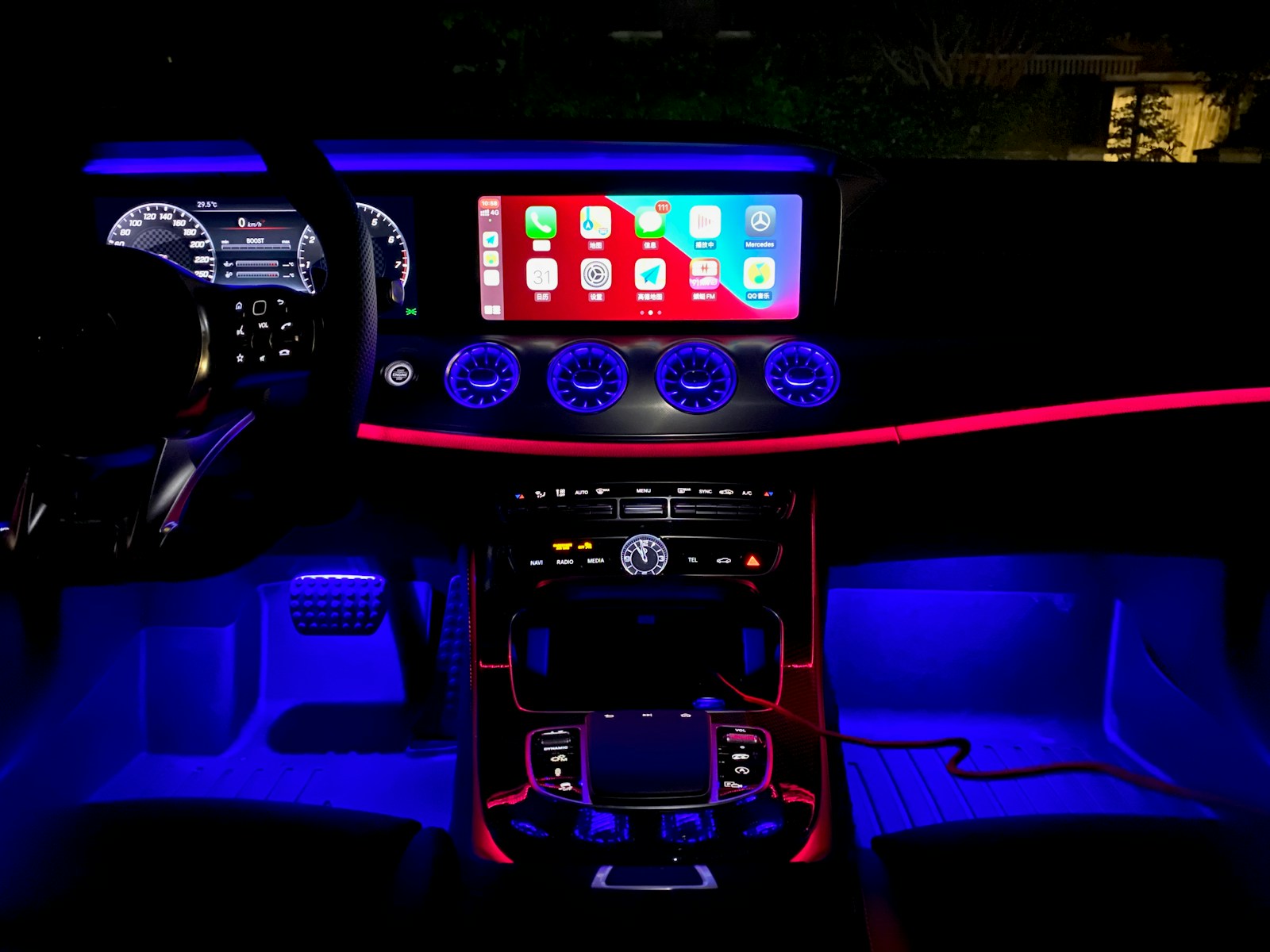
Several states across the U.S. have recently enacted bans on underbody neon lights on vehicles, citing safety concerns and the potential for distraction on the road. This decision affects countless car enthusiasts and everyday drivers who use these lights for aesthetic purposes. With the growing popularity of aftermarket modifications, the bans raise significant questions about vehicle customization and public safety.
Safety Concerns Prompt Legislative Action
The primary reason behind the bans is safety. Lawmakers argue that brightly colored underbody lights can distract other drivers, leading to accidents. According to the National Highway Traffic Safety Administration (NHTSA), distracted driving was responsible for over 390,000 injuries in 2019 alone. States like New Jersey, California, and New York have responded to these concerns, implementing regulations that restrict or prohibit the use of underbody neon lights on vehicles.
State-Specific Legislation
In California, Assembly Bill 1925, which took effect on January 1, 2023, prohibits the use of certain colored lights on vehicles, including neon lights that are visible from the front. Violators can face fines up to $250. New Jersey’s legislation is similar; they have banned any colored lights on vehicles that may resemble emergency vehicle lights, effectively targeting neon underbody installations. New York has also introduced measures to limit the use of these lights, especially in urban areas where pedestrian traffic is high.
The Appeal of Neon Lights
Despite the bans, underbody neon lights remain a popular modification among car enthusiasts. Car shows and street racing events often showcase vehicles equipped with these flashy lights, which can enhance a car’s aesthetic appeal. According to a 2021 survey by the Specialty Equipment Market Association (SEMA), approximately 25% of car enthusiasts have made aesthetic modifications to their vehicles, with lighting being one of the top categories. The allure of neon lights includes not only aesthetics but also personalization and expression of individuality.
Impact on Car Enthusiasts and Businesses
The bans have sparked backlash among car enthusiasts who argue that these regulations infringe on their right to modify their vehicles as they see fit. Many enthusiasts feel that the safety concerns cited by lawmakers are exaggerated and that responsible use of neon lights does not pose a significant risk. Some local businesses that specialize in aftermarket modifications have also expressed concern, fearing that the ban will hurt their sales. For example, a shop in Los Angeles reported a 15% drop in sales after the law was enacted, attributing the decline to the uncertainty surrounding legal modifications.
Law Enforcement and Compliance Challenges
Enforcement of these bans presents its own challenges. Law enforcement agencies have noted that it can be difficult to distinguish between legal and illegal lighting modifications. Officers must rely on visual assessments to determine if a vehicle is compliant, which can lead to inconsistency in enforcement. In some cases, officers have reported stopping vehicles for inspection, only to find that the lights were not as distracting as they initially appeared.
Public Opinion on Vehicle Modifications
Public opinion on the issue is divided. Some individuals support the bans, believing they enhance road safety and reduce distractions. Others argue that the responsibility lies with drivers to remain focused and that bans on modifications are an overreach of government authority. A recent poll conducted by the Automobile Association of America (AAA) revealed that 55% of respondents were in favor of maintaining personal freedom in vehicle modifications, while 45% supported stricter regulations for safety reasons.
The Future of Underbody Neon Lights
As more states consider similar legislation, the future of underbody neon lights remains uncertain. Car enthusiasts and industry experts are calling for a balanced approach that addresses safety concerns without stifling creativity and personalization. Some advocates suggest that new technologies, such as programmable lighting that can adjust based on driving conditions, could provide a compromise between aesthetic appeal and safety.
Conclusion: Stay Informed and Get Involved
The recent bans on underbody neon lights have significant implications for both car enthusiasts and the broader conversation about vehicle modifications. As legislative measures continue to evolve, it is crucial for drivers to stay informed about the laws in their states and advocate for reasonable regulations that prioritize both safety and personal expression. Readers are encouraged to engage with local lawmakers, share their opinions, and stay updated on the status of vehicle modification laws in their regions.