

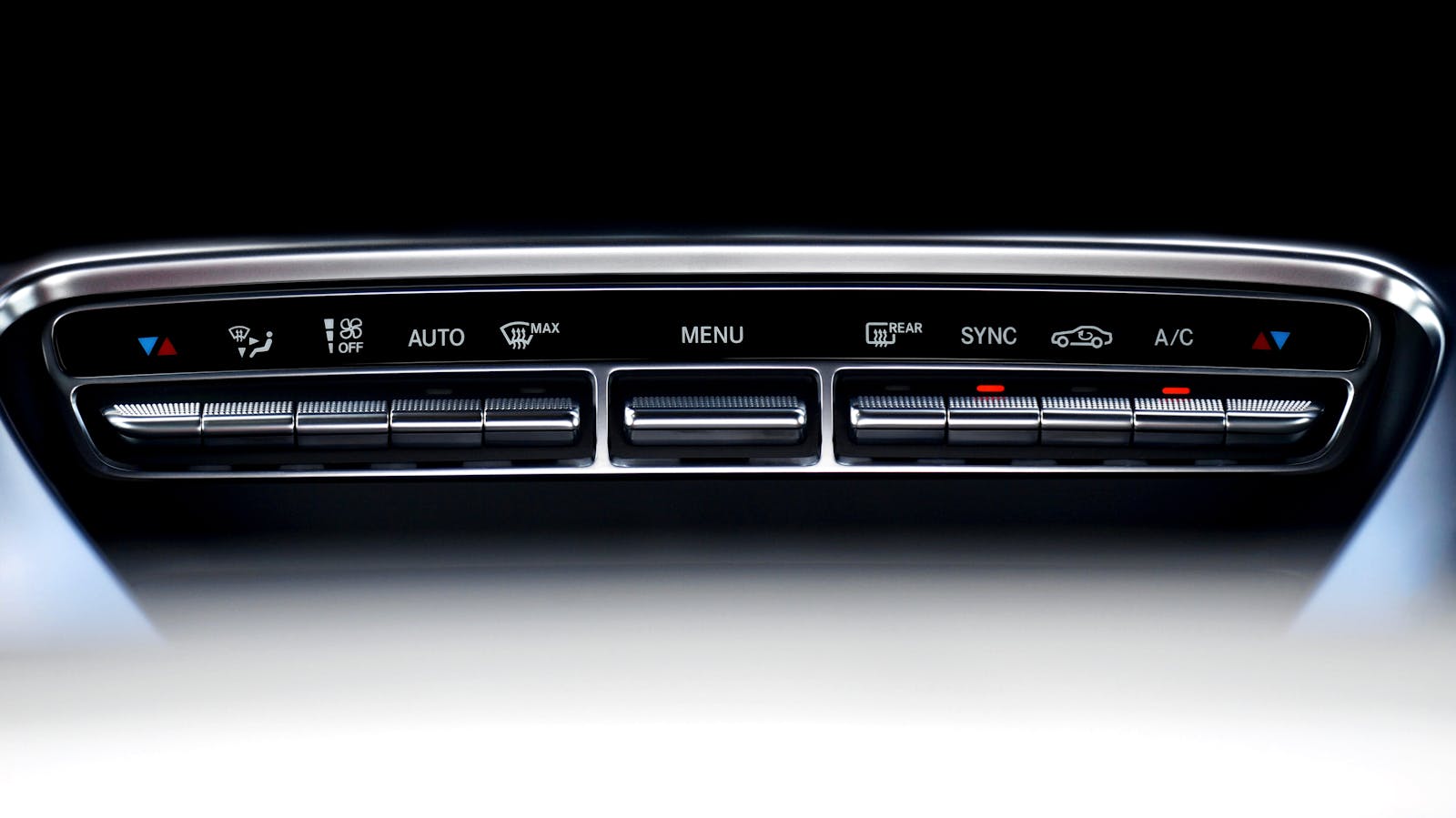
As summer temperatures rise, many homeowners are cranking up their air conditioning units, but this comfort could be costing them more at the gas pump than they realize. A recent analysis reveals that inefficient air conditioning systems can lead to increased fuel consumption, especially in vehicles that rely on gasoline-powered engines. With fuel prices averaging $3.50 per gallon nationwide, understanding the relationship between your AC and gas costs is essential for budget-conscious drivers.
How Air Conditioning Affects Fuel Efficiency
Air conditioning systems in vehicles place a significant load on the engine, leading to decreased fuel efficiency. When the AC is activated, the engine has to work harder to power both the vehicle and the cooling system, which can result in a decrease of 5% to 10% in fuel economy. For example, a 2021 Toyota Camry, which averages around 32 miles per gallon, could see its efficiency drop to as low as 29 miles per gallon when the AC is in use.
The Hidden Costs of Running Your AC
While many drivers may not realize it, the cost of running the air conditioning can accumulate quickly over time. For drivers covering an average of 1,000 miles per month, using the AC system could lead to an additional fuel expense of $15 to $30 monthly, depending on the vehicle’s efficiency and local gas prices. This may not seem significant at first glance, but over the course of the summer, these costs can add up, impacting household budgets.
Older Models vs. Newer Vehicles
The impact of air conditioning on fuel economy can vary significantly between older and newer vehicle models. Older vehicles, particularly those manufactured before 2010, often have less efficient AC systems and engines that are not optimized for fuel economy. For instance, a 2005 Honda Accord may experience a 15% drop in fuel efficiency when the AC is on, compared to more recent models that have improved technology to minimize this effect.
Tips to Minimize Fuel Consumption While Using AC
To mitigate the fuel costs associated with air conditioning, drivers can implement several strategies. First, consider using the vehicle’s ventilation system and rolling down windows at lower speeds rather than relying on the AC. Additionally, parking in shaded areas can help keep the car cooler, reducing the need for heavy AC use when starting the vehicle. Finally, regular maintenance, including checking refrigerant levels and ensuring the AC system is running efficiently, can also help to minimize the impact on fuel consumption.
Environmental Considerations
Beyond the direct financial implications, the increased fuel consumption associated with air conditioning can also have environmental consequences. The additional fuel burned leads to higher carbon emissions, contributing to climate change. According to the Environmental Protection Agency (EPA), transportation accounted for 29% of total greenhouse gas emissions in the United States in 2020. By being mindful of AC use, drivers can not only save money but also reduce their environmental footprint.
What to Look for in a Fuel-Efficient AC System
When purchasing a new vehicle, consumers should consider models that offer advanced energy-efficient air conditioning systems. Many modern cars come equipped with features such as variable displacement compressors and climate control technology that helps reduce the load on the engine while maintaining comfort. For example, the 2022 Hyundai Sonata has improved AC efficiency, which helps maintain fuel economy even during intense summer heat.
Conclusion: Make Informed Choices
As the summer heat continues to rise, the temptation to rely heavily on air conditioning is understandable. However, being aware of how this comfort affects fuel consumption can help drivers make informed choices that save money in the long run. With gas prices on the rise and the added financial burden of inefficient AC use, it’s crucial for consumers to consider alternative cooling methods and invest in vehicles that prioritize fuel efficiency.
Take action today: assess your vehicle’s AC usage, explore maintenance options, and consider your driving habits to minimize fuel costs this summer. Every small change can lead to significant savings and a positive impact on the environment.