

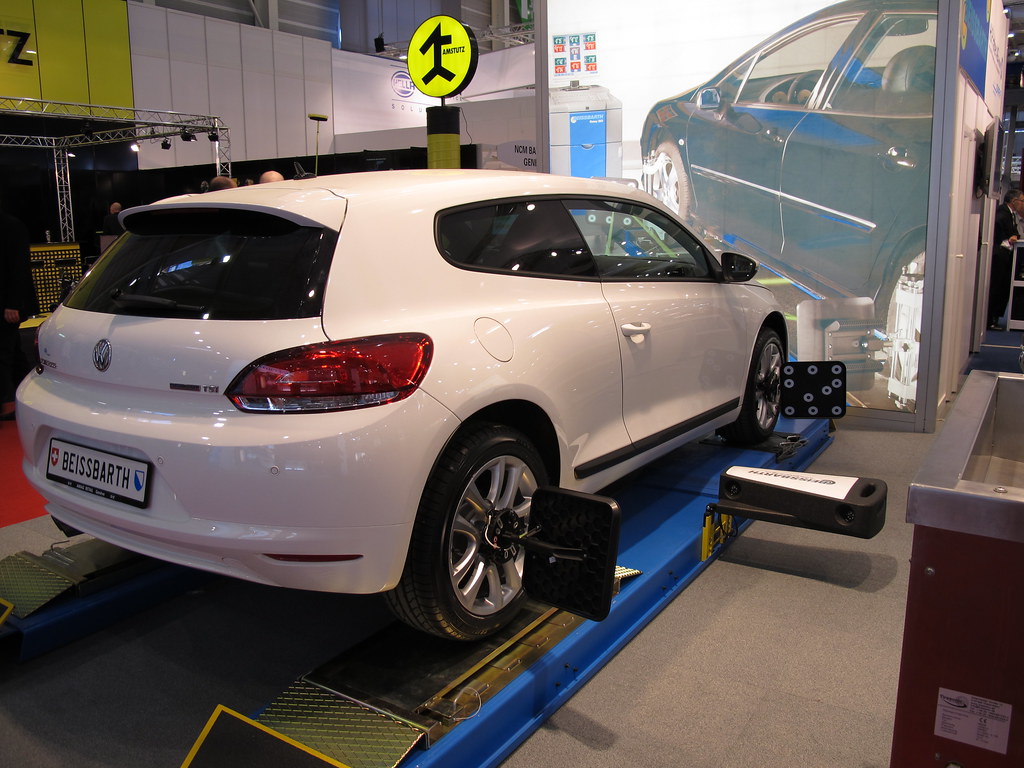
Neglecting regular wheel alignments can lead to serious tire damage, affecting millions of drivers across the United States. As vehicle owners prioritize various maintenance tasks, tire alignments often fall by the wayside, leading to premature tire wear and potentially unsafe driving conditions. Understanding the implications of skipping these alignments is crucial for both safety and financial reasons.
The Importance of Wheel Alignments
Wheel alignment refers to the adjustment of a vehicle’s suspension system, ensuring that all four wheels are set to the correct angles. This affects not only tire wear but also vehicle handling, fuel efficiency, and overall safety. According to the Tire Industry Association, improper wheel alignment can decrease tire lifespan by as much as 25%. For instance, if you are driving a 2021 Honda Civic, neglecting regular alignments could mean replacing your tires much sooner than the intended 50,000-mile lifespan.
Consequences of Skipping Alignments
When your wheels are misaligned, the tires do not make even contact with the road, causing uneven wear. This can manifest in various ways, such as cupping, scalloping, or bald spots. For example, a driver of a 2019 Toyota RAV4 may notice that their tires are wearing more on one side, leading to a dangerous blowout if left unchecked. The cost of replacing tires can range from $400 to over $1,000, depending on the model and type of tires, making regular alignments a cost-effective measure.
Signs Your Vehicle Needs an Alignment
Several indicators suggest that a vehicle may require a wheel alignment. These include uneven tire wear patterns, the vehicle pulling to one side while driving, or a steering wheel that is off-center when driving straight. According to a survey by the American Automobile Association (AAA), 48% of drivers report ignoring warning signs related to their vehicle’s alignment. Ignoring these signs can lead to more significant issues, including reduced fuel efficiency, which can decrease your gas mileage by up to 10%.
Financial Implications of Neglecting Alignments
Beyond the immediate costs of tire replacement, neglecting wheel alignments can lead to additional expenses. Drivers may face increased fuel costs due to decreased efficiency and additional wear on suspension components, which can be costly to replace. A study by the National Highway Traffic Safety Administration (NHTSA) indicates that improper alignment can lead to a 15% increase in fuel consumption, significantly affecting the average American’s monthly budget, especially with gas prices currently hovering around $3.50 per gallon.
How Often Should You Get an Alignment?
Most automotive experts recommend getting a wheel alignment every 6,000 miles or at least once a year, but this can vary based on driving habits and conditions. If you frequently drive on rough roads or have recently hit a pothole, scheduling an alignment sooner is advisable. Vehicle manufacturers often provide specific recommendations in the owner’s manual, and for many models, such as the 2020–2022 Ford F-150, the suggested interval is every 10,000 to 12,000 miles.
DIY vs. Professional Alignments
While some may consider a DIY approach for checking alignment, it is crucial to understand that professional alignment services use specialized equipment to ensure accuracy. An alignment may cost anywhere from $75 to $100, but the investment is minimal compared to the potential costs of tire replacement and repairs. Many tire shops and automotive service centers offer alignment checks as part of a tire purchase, making it easier for drivers to incorporate this essential maintenance into their routine.
Staying Safe on the Road
Neglecting wheel alignments not only impacts vehicles financially but also poses a serious safety risk to drivers and their passengers. According to the NHTSA, improperly aligned vehicles are more prone to accidents due to compromised handling and braking performance. Ensuring that your vehicle is properly aligned is a critical factor in maintaining control and safety on the road.
Conclusion: Act Now to Protect Your Investment
With tire prices and potential repair costs rising, the importance of regular wheel alignments cannot be overstated. Skipping this crucial maintenance can lead to premature tire wear, decreased fuel efficiency, and increased safety risks. Vehicle owners must prioritize alignment checks as part of their regular maintenance routine.
Don’t wait until it’s too late—schedule your wheel alignment today to protect your tires and ensure a safer driving experience. Your vehicle, your wallet, and your safety depend on it.