

Misconceptions about vehicle maintenance can lead to costly repairs and safety hazards for drivers. Mechanics across the country are increasingly frustrated with common myths that undermine the effectiveness of routine vehicle care. Understanding the truth behind these myths is essential for all vehicle owners, as it can directly impact the longevity and safety of their cars.
1. Oil Change Frequency: Every 3,000 Miles Is No Longer Necessary
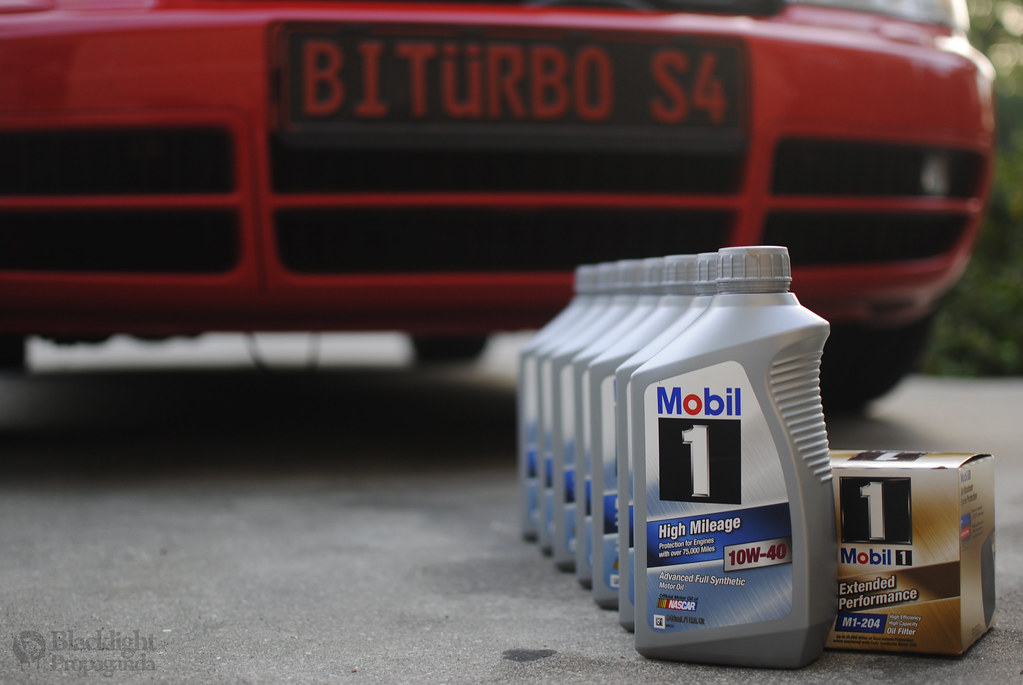
One of the most pervasive myths is that oil changes must occur every 3,000 miles. While this was a common guideline decades ago, modern engine technology has evolved significantly. Most manufacturers, including Toyota and Ford, now recommend oil changes every 5,000 to 7,500 miles for vehicles like the 2021 Toyota Camry and the 2022 Ford F-150, depending on the type of oil used. Following outdated guidelines can lead to unnecessary expenses and wasted resources.
2. Premium Gas Is Always Better
Many drivers believe that using premium gasoline will improve their vehicle’s performance and fuel efficiency. However, this is a myth that mechanics are eager to debunk. Most vehicles, particularly those built after 2000, are designed to run efficiently on regular unleaded fuel. For example, the 2020 Honda Civic performs optimally on regular gas, and using premium fuel does not provide any significant benefits. In fact, using premium fuel in cars that don’t require it can lead to increased expenses without any tangible rewards.
3. You Can Skip Tire Rotation
Some car owners believe that tire rotation is unnecessary if their tires appear to be wearing evenly. This assumption can be detrimental to both tire lifespan and vehicle safety. According to the Tire Industry Association, rotating tires every 5,000 to 8,000 miles helps ensure even wear and extends the life of the tires by up to 20%. Skipping this simple maintenance task can lead to premature tire replacement—a costly oversight for drivers.
4. “If It Ain’t Broke, Don’t Fix It” Is a Dangerous Mindset
Many drivers adopt the mindset of ignoring potential issues until they cause significant problems, adhering to the adage, “If it ain’t broke, don’t fix it.” This myth can lead to catastrophic failures and expensive repairs. For instance, a small coolant leak can escalate into a blown head gasket, costing thousands of dollars in repairs. Mechanics recommend regular inspections and preventative maintenance to catch minor issues before they exacerbate, potentially saving drivers substantial sums in the long run.
5. Air Filters Only Need Changing Once a Year
Many believe that air filters only need to be replaced annually, but this is another misconception that can harm vehicle performance. The frequency of air filter replacement actually depends on driving conditions and the make and model of the vehicle. For example, a 2021 Chevrolet Silverado driven in city traffic or dusty environments may require air filter changes every 15,000 to 30,000 miles, significantly sooner than the once-a-year rule suggests. Neglecting air filter maintenance can lead to decreased fuel efficiency and increased emissions, impacting both the environment and your wallet.
Take Action to Ensure Vehicle Longevity
Dispelling these five maintenance myths is crucial for vehicle owners who want to save money and ensure their safety on the road. By adhering to manufacturer guidelines and seeking advice from certified mechanics, drivers can make informed decisions about their vehicle maintenance. Don’t fall victim to outdated beliefs—consult your vehicle’s owner’s manual or a trusted mechanic to ensure you’re following the best practices for your specific car model.
As we head into the busy travel season, now is the time for vehicle owners to review their maintenance schedules. Ignoring these truths can lead to unnecessary expenses and safety risks. Take action today to secure your vehicle’s performance and longevity.