
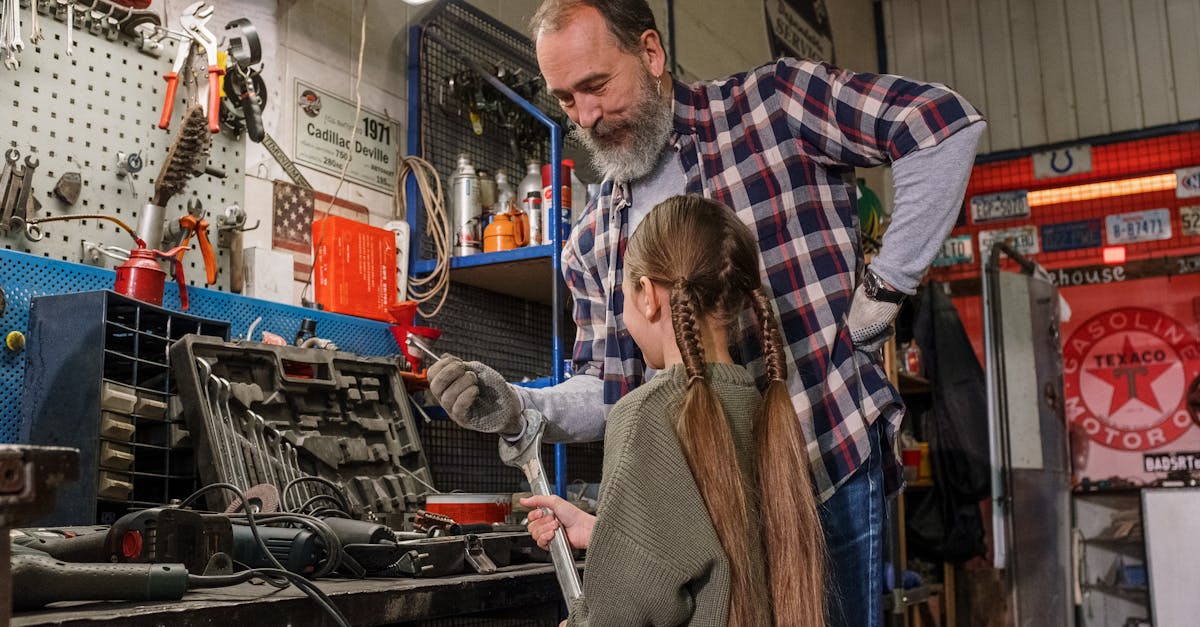


DIY repairs, while often seen as a cost-saving measure, can inadvertently void warranties for a significant number of consumers. This issue affects millions of vehicle owners, appliance users, and electronic device consumers, raising serious concerns about the implications of self-repair on warranties and consumer rights. Understanding the complexities of warranty policies is crucial for anyone considering DIY fixes.
Understanding Manufacturer Warranties
Most products come with a warranty, typically ranging from one to five years, depending on the manufacturer and the type of product. For example, the 2020–2022 Ford F-150 comes with a three-year/36,000-mile basic warranty and a five-year/60,000-mile powertrain warranty. These warranties are designed to provide coverage against defects in material or workmanship, but they often include specific terms that must be adhered to for the warranty to remain valid.
One common stipulation found in many warranty agreements is the requirement that repairs and maintenance be performed by authorized service providers. Manufacturers include this clause to ensure that repairs are conducted using appropriate tools and parts, which they argue protects both the product and the consumer.
The Risks of DIY Repairs
Engaging in DIY repairs can introduce risks that may lead to warranty voiding. If a consumer attempts to fix an issue themselves and inadvertently causes further damage, manufacturers may refuse to honor the warranty claim. For instance, trying to repair a malfunctioning appliance like the Samsung Galaxy S21 could lead to complications if a user replaces a screen without using authorized parts, thus invalidating the warranty.
Furthermore, even if a DIY repair is successful, manufacturers may still argue that the act of self-repair has altered the product’s original condition. In 2022, a study revealed that nearly 30% of consumers were unaware that DIY repairs could void their warranties, underscoring the need for increased awareness regarding warranty conditions.
Legal Perspectives on Warranty Voiding
Under the Magnuson-Moss Warranty Act, manufacturers cannot automatically void warranties due to unauthorized repairs unless they can prove that the repairs caused the damage. This federal law provides some protections for consumers, but the burden of proof often falls on the consumer when disputes arise. For example, if a customer of a Dell laptop attempts to upgrade the RAM themselves and encounters a hardware failure, Dell may argue that the upgrade voided the warranty despite the absence of evidence linking the upgrade to the failure.
This legal gray area creates confusion for many consumers, leading them to believe they have more freedom with DIY repairs than they actually do. As a result, consumers are urged to read warranty terms carefully and consult with manufacturers before proceeding with any self-repair work.
Manufacturer Policies on Repairs
Different manufacturers have varying policies regarding DIY repairs. Some, like Apple, have recently begun to embrace self-repair programs, offering authorized parts and guidelines for consumers to safely make repairs. Apple’s Self Service Repair program allows customers to purchase genuine parts and tools, thereby maintaining warranty coverage.
On the other hand, many companies remain staunchly opposed to DIY repairs, viewing them as a risk to brand integrity and product reliability. For example, Honda has specific language in its warranty booklet stating that any unauthorized repairs or modifications will void the warranty. This stance highlights the importance of adhering to manufacturer guidelines to avoid potential complications.
The Consumer’s Dilemma
The choice between saving money through DIY repairs and ensuring warranty protection places consumers in a difficult position. While DIY repairs can significantly reduce costs, particularly for older products, the risk of voiding a warranty may outweigh the benefits for newer, more expensive items. For instance, a $300 repair on a four-year-old washing machine may be less appealing if it risks voiding the warranty on a $1,200 appliance.
Moreover, as technology continues to evolve, the complexity of repairs increases, making DIY solutions riskier. The latest smartphones, like the iPhone 14, often require specialized knowledge and tools that the average consumer may not possess, further complicating the DIY repair landscape.
Final Thoughts and Call to Action
As consumers navigate the challenges of DIY repairs, it is critical to understand the implications for warranty coverage. With millions of people affected by potential warranty voiding, staying informed is essential. Before attempting any repairs, consumers should consult the warranty terms and consider contacting the manufacturer for guidance.
In an era where self-repair is becoming more popular, awareness about warranty conditions is more crucial than ever. Ensure you know your rights and the implications of DIY repairs on your products. If in doubt, seek help from professionals to avoid jeopardizing