

Despite technological advancements in the automotive industry, certain car features have sparked debate over their usefulness. From quirky gadgets to superfluous functions, some features have left consumers questioning their value. This article examines the most pointless car features, how they affect drivers, and why it is essential for consumers to be aware of them before making a purchase.
Unnecessary Cup Holders
One of the most common complaints among drivers is the proliferation of cup holders, particularly in vehicles where space is already limited. Many cars, such as the 2021 Honda Accord, come equipped with up to ten cup holders, which can be excessive for most families. While having a place to store drinks is helpful, the overabundance can lead to clutter and distraction, ultimately detracting from the driving experience.
Ambient Lighting Features
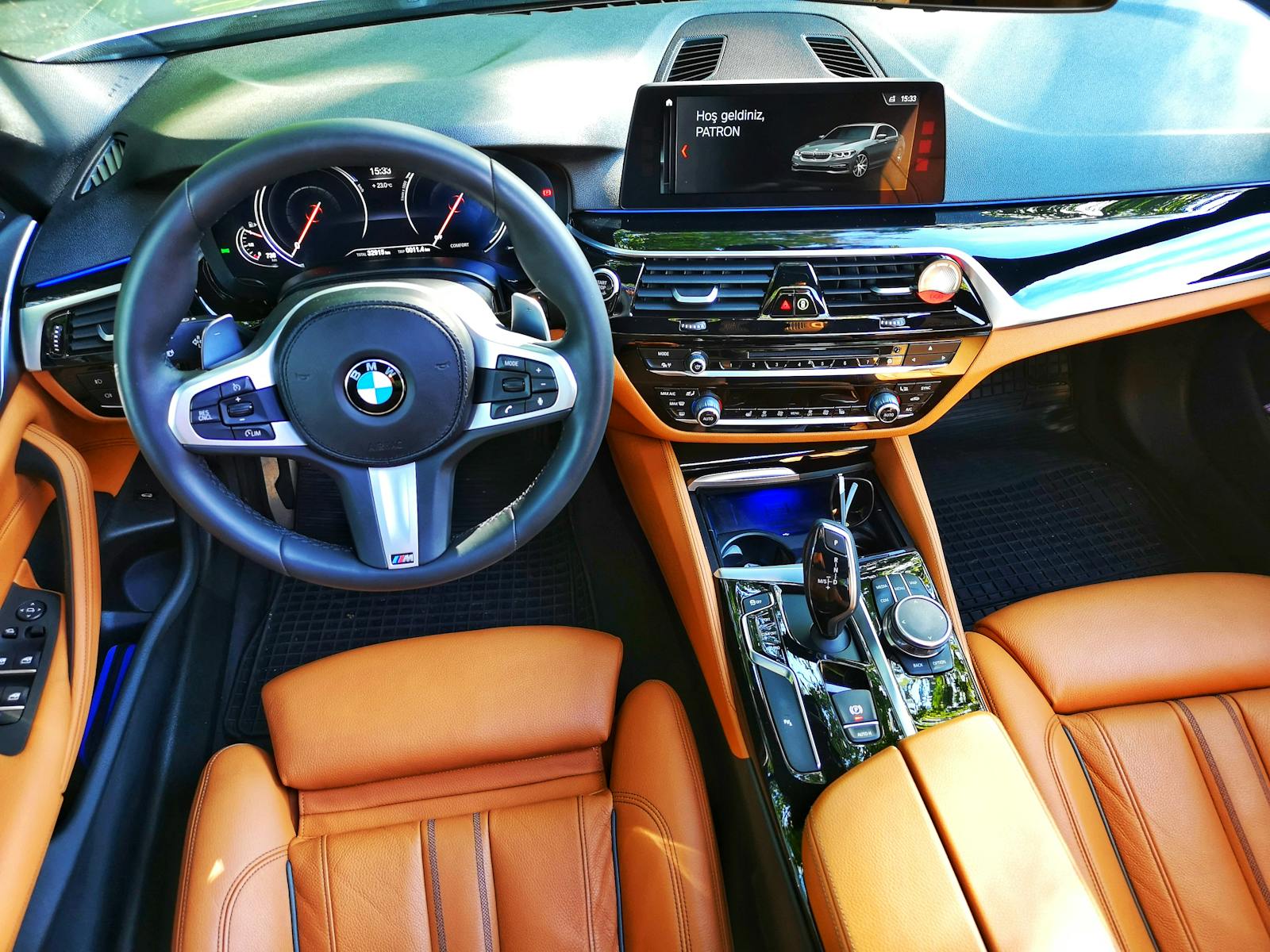
Ambient lighting in cars aims to enhance the driving experience by providing a soothing light within the cabin. However, many drivers find this feature unnecessary and distracting. Models like the 2022 BMW 7-Series offer customizable lighting options that can change colors based on the driver’s mood, but many consumers report that they rarely use or even forget about this feature entirely. The cost of adding such technology often does not justify its lack of practical application.
Built-in Vacuum Cleaners
Some manufacturers have attempted to address cleanliness with built-in vacuum cleaners, as seen in the 2018 Honda Odyssey. While the intention is commendable, the execution often falls short. These vacuums typically lack sufficient power and capacity, making them ineffective for substantial messes. Drivers frequently find that a portable vacuum is far more efficient, rendering the built-in option largely useless.
Automatic Parking Systems
Automatic parking systems, introduced in many high-end models like the 2020 Tesla Model 3, are designed to assist drivers in parking their vehicles. However, numerous studies indicate that many drivers prefer to park manually, citing a lack of trust in the system. The technology can also lead to confusion, as drivers may not fully understand how to engage the feature, resulting in more stress and frustration. Critics argue that this technology, while innovative, does not significantly improve the parking experience.
Heated Steering Wheels
Heated steering wheels have become a common luxury feature in many vehicles, including the 2021 Ford F-150. While they can provide comfort during cold weather, many drivers find them unnecessary. The feature adds complexity and can increase the overall cost of the vehicle, with no significant benefit for the average driver. In regions with milder climates, a heated steering wheel may simply be an extravagant addition rather than a practical one.
Touchscreen Controls
With the rise of technology in cars, many manufacturers are replacing traditional buttons and knobs with touchscreens. While this trend can provide a modern aesthetic, it often hinders functionality. For instance, the 2022 Chrysler Pacifica has a touchscreen interface that can be cumbersome to navigate, especially while driving. Many drivers argue that physical controls are more intuitive and safer, making touchscreens a questionable choice in terms of usability.
Fake Engine Sounds
To enhance the driving experience, some manufacturers have started incorporating fake engine sounds into their vehicles. This feature is present in models like the 2021 Audi e-tron, where artificial sounds are generated to simulate a sportier drive. However, many consumers find these sounds disingenuous and distracting, leading to dissatisfaction. Critics argue that a vehicle should deliver real performance rather than relying on artificial enhancements.
Self-Closing Doors
Self-closing doors are marketed as a convenient feature in luxury cars such as the 2020 Mercedes-Benz S-Class. However, many drivers find this feature unnecessary and sometimes problematic. Instances of the doors malfunctioning or closing unexpectedly can pose safety risks, particularly for children or pets. While the technology may seem innovative, it raises questions about practicality in everyday use.
Conclusion: Choose Wisely When Buying a Car
As the automotive industry continues to innovate, consumers must remain vigilant about the features they truly need. Many of the advancements introduced in modern vehicles, like those discussed here, may ultimately serve more as marketing gimmicks than as practical enhancements. The automotive market is projected to reach $3 trillion by 2025, making it crucial for consumers to spend wisely on features that genuinely enhance their driving experience.
Before purchasing your next vehicle, consider which features are truly necessary and beneficial. Research and test drive models to see how they align with your driving preferences. Awareness of pointless features can save consumers