

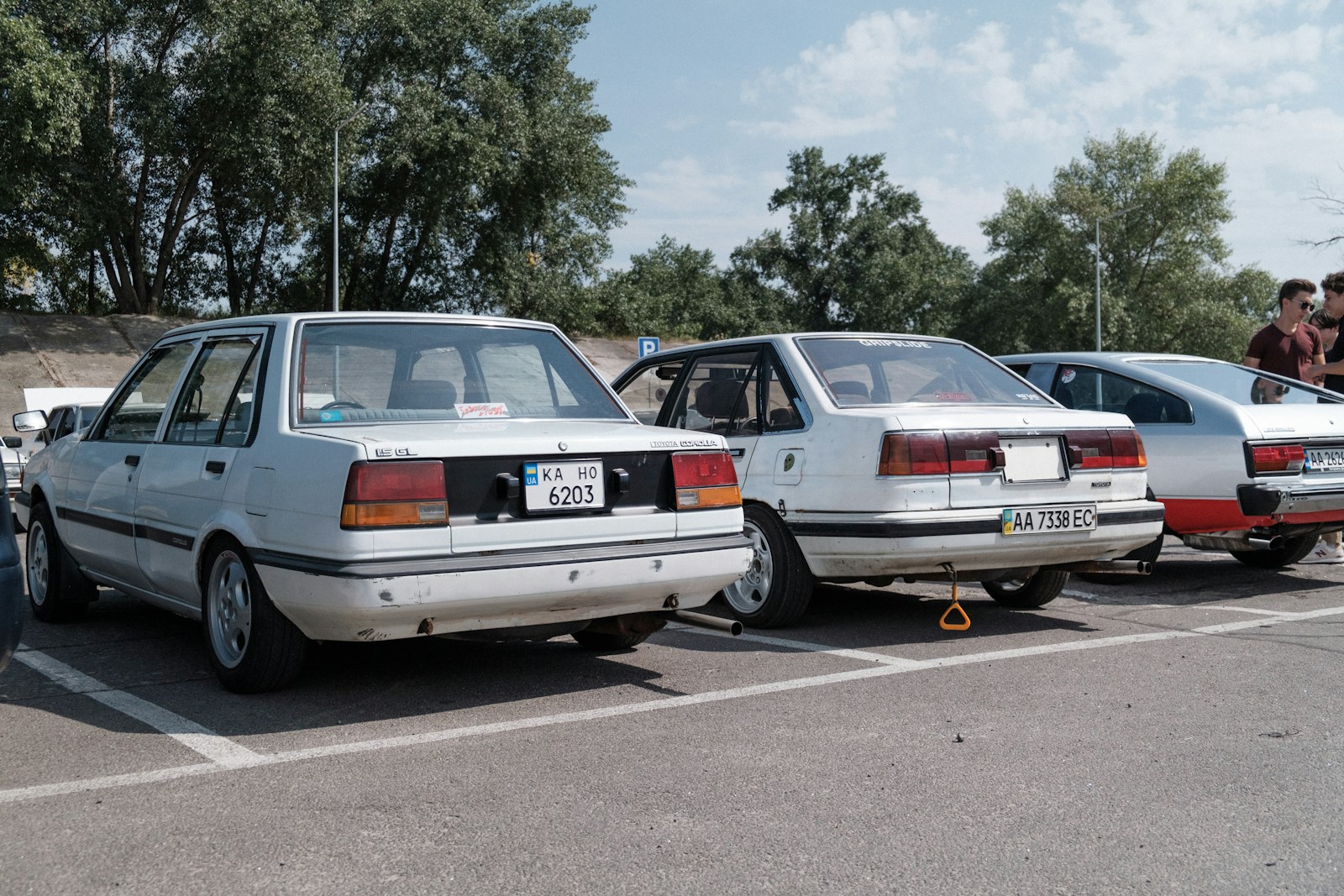
Classic square-body cars, particularly models from the late 1970s to the early 1990s, are experiencing a resurgence in popularity, capturing the hearts of car enthusiasts and collectors alike. This trend affects both the automotive market and hobbyist communities, highlighting a growing appreciation for vintage craftsmanship and design amid a climate of rapid technological change. With values of certain models, like the 1980 Chevrolet C/K pickup, soaring by nearly 30% over the past year, it is clear that these vehicles are not just relics of the past, but are becoming prized possessions.
The Allure of Simplicity
One of the primary reasons square-body cars are gaining traction is their simplicity in design and engineering. Unlike modern vehicles that are often laden with complex technology and electronics, these older models feature straightforward mechanics that appeal to DIY enthusiasts. For example, many square-body Chevrolets and GMCs have easily accessible engines and parts, making repairs and modifications more manageable for hobbyists. This ease of maintenance contributes to their growing popularity, as owners find satisfaction in restoring and personalizing their vehicles.
Nostalgia and Cultural Resurgence
The current cultural climate has also fostered a sense of nostalgia, prompting a resurgence in interest for vehicles reminiscent of simpler times. For many, square-body cars evoke memories of youth, road trips, and the open road. The rise of social media platforms, particularly Instagram and TikTok, has further amplified this nostalgia, allowing enthusiasts to share their projects and connect with like-minded individuals. Viral hashtags such as #SquareBodyNation have gained traction, creating a sense of community that inspires more people to seek out and restore these classic vehicles.
Investment Potential
As the classic car market continues to expand, square-body vehicles are being seen as viable investment options. According to the Hagerty Price Guide, the average price of classic trucks has increased by over 20% in the last three years, with square-body models leading the charge. Investors are recognizing the potential for appreciation, particularly for well-maintained or restored examples of models like the 1987 Chevrolet K1500. As collectors seek vehicles that represent a unique blend of nostalgia and investment potential, the demand for square-body cars is likely to keep climbing.
Community and Events
The square-body car community is vibrant and active, with numerous events and gatherings dedicated to these classic vehicles. Car shows, meetups, and online forums serve as platforms for enthusiasts to exchange tips, showcase their restorations, and celebrate their shared passion. Events like the annual Square Body Summit in Indiana attract hundreds of participants, featuring everything from show-and-shine competitions to swap meets for parts and accessories. Such gatherings not only foster camaraderie but also strengthen the market for these vehicles, as attendees often leave with new ideas and inspiration for their own projects.
Environmental Considerations
Interestingly, the growing interest in square-body cars coincides with a rise in awareness regarding environmental sustainability. Many enthusiasts advocate for restoring and maintaining older vehicles as a way to reduce waste and the carbon footprint associated with manufacturing new cars. While modern vehicles may be more fuel-efficient, the carbon costs of production can be significant. By choosing to restore a square-body car, enthusiasts contribute to a more sustainable automotive culture while retaining the charm and character of classic designs.
Challenges Ahead
Despite the enthusiasm surrounding square-body cars, challenges remain for both collectors and the automotive community. As these vehicles become more sought after, the supply of well-maintained examples diminishes, leading to increased prices and competition among buyers. Additionally, sourcing original parts can be difficult, particularly for rarer models. Enthusiasts must navigate these challenges while remaining committed to preserving the integrity and authenticity of their vehicles, making it essential to stay informed about the market and restoration techniques.
Conclusion: Join the Movement
The growing cult following of square-body cars reflects a broader trend in the automotive world, where simplicity, nostalgia, and community are becoming increasingly valued. For those interested in classic cars, now is the time to explore the potential of square-body vehicles—whether as a hobby or an investment. With values on the rise and a passionate community rallying around these classics, enthusiasts are urged to consider joining this movement before these vehicles become even more scarce. Whether you are looking to buy, restore, or simply appreciate these models, the square-body era is alive and thriving.