

Consumer dissatisfaction with certain pickup truck models has reached an all-time high, impacting both manufacturers and consumers. While the pickup truck segment remains one of the most popular in the automotive industry, some models have fallen short of expectations, leading to complaints about performance, reliability, and value. This article examines the most disappointing pickup trucks of all time, highlighting their flaws and the ramifications for potential buyers.
Ford F-150 (2010–2014)
The Ford F-150 has long been a best-seller, but the 2010–2014 models received significant criticism for their fuel efficiency and engine reliability. Many owners reported issues with the 5.0-liter V8 engine, which struggled with oil consumption and more frequent repairs than expected. With an average fuel economy of just 15 miles per gallon in the city, these models also failed to meet the growing consumer demand for fuel-efficient vehicles. The disappointment in this iconic model has led to a tarnished reputation for Ford in the competitive truck market.
Chevrolet Colorado (2015–2019)
The Chevrolet Colorado aimed to capture the mid-size truck segment but fell short in multiple areas. Despite being praised for its design and comfort, the 2015–2019 models faced significant issues related to transmission performance and engine power. Owners frequently reported rough shifting and decreased acceleration, which made everyday driving frustrating. Additionally, the Colorado’s towing capacity was less than competitive compared to rivals, further diminishing its appeal. As a result, sales lagged behind expectations, with only 20,000 units sold in 2018.
Dodge Ram 1500 (2009–2011)
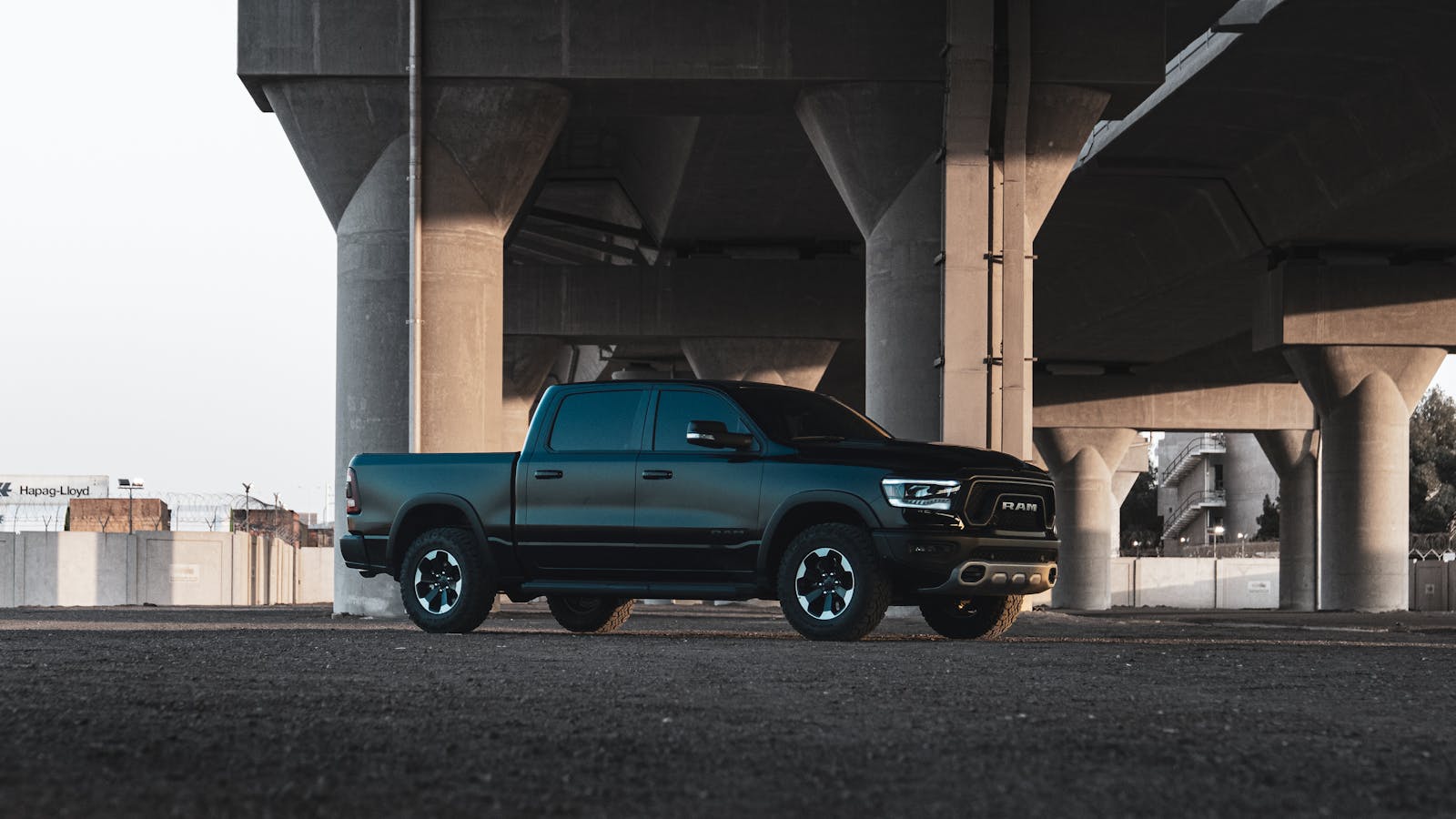
The Dodge Ram 1500 is known for its rugged exterior and powerful performance; however, the 2009–2011 models were plagued by reliability issues. Many drivers experienced problems with the electrical system, including malfunctioning power windows and dashboard lights that failed to illuminate. These issues not only led to costly repairs but also contributed to a decrease in consumer trust. This period saw sales drop to approximately 150,000 units in 2011, reflecting a growing frustration among potential buyers who expected better quality.
Nissan Titan (2004–2015)
Initially heralded as a robust competitor in the full-size truck market, the Nissan Titan failed to gain traction due to its lack of refinement and poor fuel economy. Models from 2004 to 2015 offered only one engine choice, a 5.6-liter V8 that received mixed reviews for its performance and efficiency. With an average fuel economy of just 13 miles per gallon in the city, the Titan lagged behind rivals like the Ford F-150 and Chevrolet Silverado. Consequently, Nissan struggled to sell more than 10,000 units annually in recent years, reflecting a decline in consumer interest.
Toyota Tundra (2014–2021)
The Toyota Tundra has had a loyal following, but the 2014–2021 models faced scrutiny for their outdated design and lack of innovative features. Critics noted that the interior felt less premium compared to competitors, with lower-grade materials and limited technology options. Furthermore, the Tundra’s 5.7-liter V8 engine, while powerful, was criticized for its poor fuel efficiency, averaging only 13 miles per gallon in city driving. This combination of factors led to a decrease in sales, which dropped to around 40,000 units in 2020.
GMC Canyon (2015–2020)
The GMC Canyon was expected to revitalize the mid-size truck market but ended up disappointing many consumers. While it offered a comfortable ride, the 2015–2020 models were often criticized for their lack of engine options and subpar towing capacity. Many owners reported issues with the vehicle’s infotainment system, which frequently froze or crashed. With only 30,000 units sold in 2020, it became evident that the Canyon was struggling to meet the needs of modern truck buyers.
Conclusion: A Cautionary Tale for Consumers
These disappointing pickup trucks serve as a reminder that not all models are created equal, regardless of the manufacturer’s reputation. Issues such as poor fuel efficiency, reliability problems, and outdated features can significantly affect consumer satisfaction and sales performance. For potential buyers, understanding the pitfalls of these models is crucial in making an informed decision. As the market continues to evolve, it is essential to consider reviews, performance data, and reliability ratings before investing in a new pickup truck.
Given the ongoing changes in consumer preferences and technology, buyers must remain vigilant. Before purchasing a