

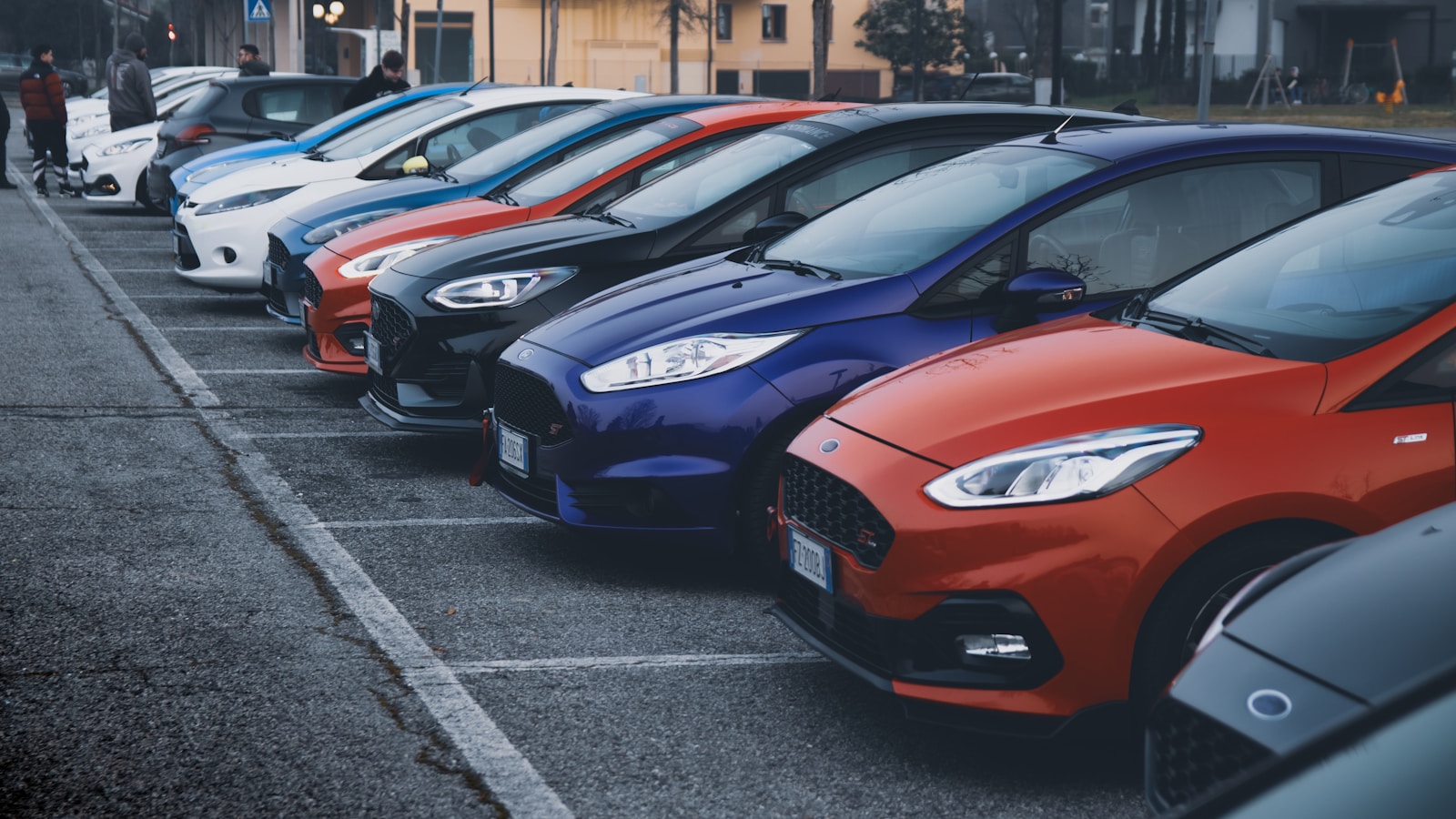
In recent years, several automakers have made decisions to discontinue popular models, leaving fans and consumers questioning the rationale behind these moves. As vehicle preferences evolve and the market shifts, the discontinuation of certain cars has often led to a noticeable gap in offerings that could have been beneficial to both manufacturers and drivers. This article highlights ten cars that automakers should have never discontinued, examining their impact on the automotive landscape and the potential missed opportunities for growth and innovation.
1. Ford Focus (2011-2018)
The Ford Focus was a staple in the compact car segment, known for its affordability, fuel efficiency, and engaging driving dynamics. The 2017 model, for instance, boasted an impressive 30 miles per gallon combined fuel economy. Its discontinuation in 2018 left a void in the market, particularly as consumers increasingly turned to smaller, more efficient vehicles. Ford’s decision to pivot toward SUVs and trucks may have overlooked the growing demand for compact cars.
2. Honda Fit (2007-2020)
Honda’s Fit was celebrated for its versatility, compact size, and surprisingly spacious interior. The 2019 model, for example, offered 52.7 cubic feet of cargo space when the rear seats were folded down. The discontinuation in 2020 surprised many, especially as the subcompact segment has seen a resurgence in popularity. The Fit’s excellent reliability ratings and strong resale value indicated a loyal customer base that Honda has since abandoned.
3. Chevrolet Volt (2010-2019)
The Chevrolet Volt was a pioneering plug-in hybrid that offered an impressive electric-only range of 53 miles. It appealed to environmentally conscious consumers while also addressing range anxiety. Despite its accolades, including a spot on the 2011 Green Car of the Year list, GM discontinued the Volt in 2019, prioritizing fully electric vehicles instead. This decision neglected the significant consumer interest in hybrid technology, particularly among those hesitant to fully embrace electric vehicles.
4. Subaru WRX STI (2015-2021)
The Subaru WRX STI has been a beloved performance vehicle, known for its all-wheel-drive capabilities and rally heritage. The 2019 model year saw the STI continue to attract driving enthusiasts, yet Subaru announced its discontinuation following the 2021 model year. With the growing popularity of performance-oriented sedans, Subaru’s exit from this segment raises questions about their strategy in catering to dedicated fans of high-performance cars.
5. Volkswagen Beetle (1998-2019)
The Volkswagen Beetle is an iconic model with a rich history spanning decades. The 2019 model represented a modern interpretation of the classic design, but Volkswagen decided to pull the plug on production, citing declining sales. However, the Beetle’s unique charm and cultural significance suggest that its discontinuation was premature, especially as consumers increasingly seek vehicles with personality and character.
6. Dodge Dart (2012-2016)
The Dodge Dart was a compact sedan that aimed to compete in a crowded market with its stylish design and engaging performance. Despite positive reviews and a promising start, its production was halted in 2016, mainly due to declining sales. The Dart’s discontinuation left many consumers seeking a stylish, affordable compact sedan without a notable option, particularly as competitors continued to evolve.
7. Nissan Juke (2010-2017)
The Nissan Juke was a quirky subcompact SUV that gained a cult following for its distinctive design and spirited driving experience. With an impressive 215 horsepower in the Nismo variant, the Juke offered performance-oriented features that appealed to younger buyers. However, Nissan discontinued the model in 2017, missing out on a growing segment of consumers who appreciate unique styling and agile handling in the increasingly popular SUV market.
8. Pontiac Solstice (2006-2009)
The Pontiac Solstice was a standout roadster that captured attention with its sleek lines and engaging driving dynamics. The 2009 model featured a 2.4-liter engine that provided an enjoyable driving experience, but GM discontinued the Solstice after just a few years. This decision overlooked the niche market of affordable sports cars, which continues to attract enthusiasts seeking an exhilarating ride.
9. Mazda RX-8 (2003-2012)
The Mazda RX-8 was renowned for its unique rotary engine and balanced handling, making it a favorite among driving enthusiasts. Its distinct design and performance capabilities made it a standout in the sports car segment. However, production ceased in 2012