

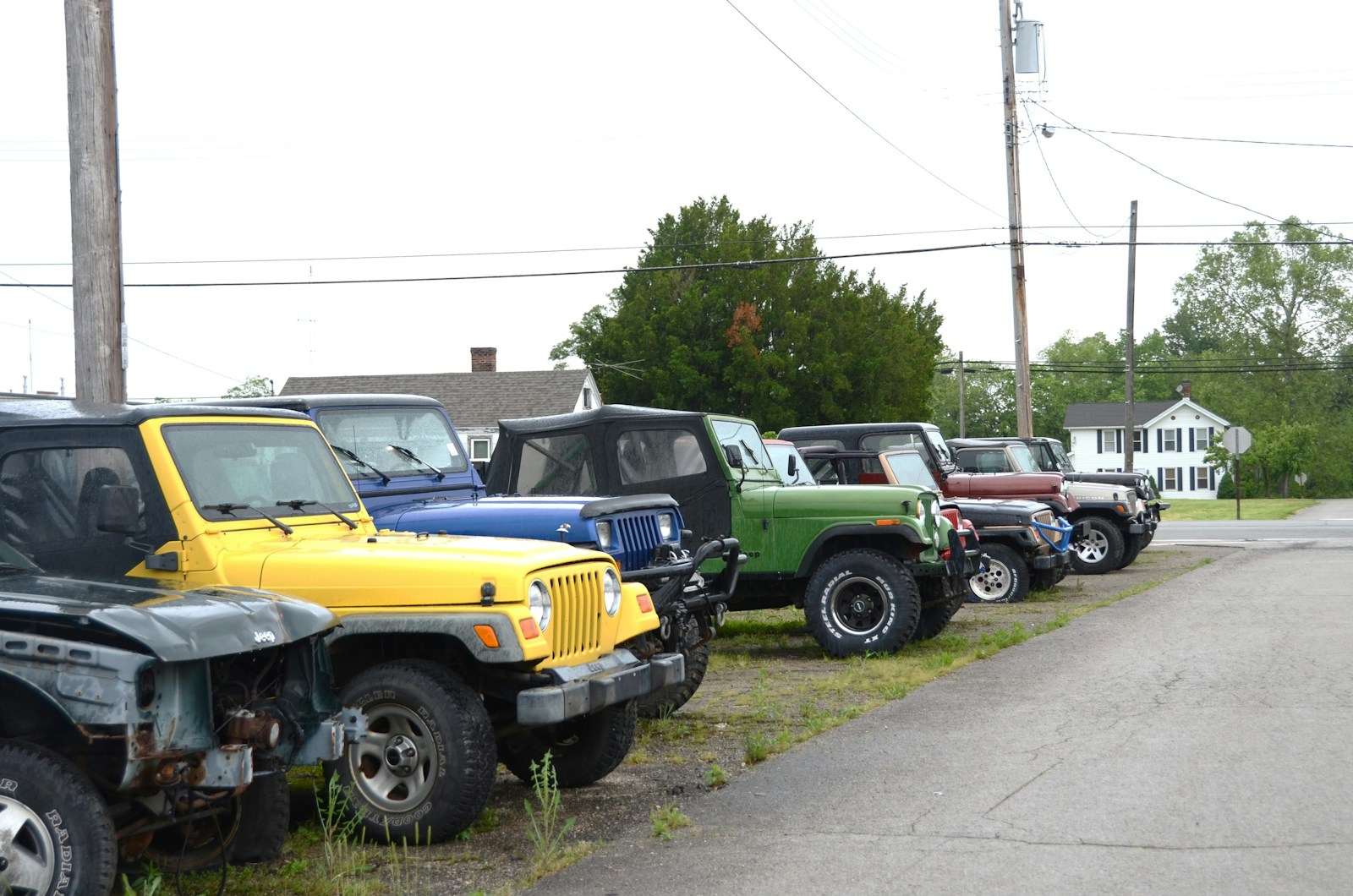
A recent analysis has spotlighted the most problematic SUVs ever sold in the United States, affecting millions of consumers and raising concerns about safety, reliability, and overall value. With the SUV market dominating vehicle sales in America—accounting for nearly 50% of all new vehicle sales in 2022—understanding which models to avoid is crucial for consumers making informed purchasing decisions.
Defining the Worst: A Combination of Factors
When evaluating the worst SUVs, several factors are taken into account, including safety ratings, reliability scores, consumer complaints, and recalls. According to the National Highway Traffic Safety Administration (NHTSA), vehicles that receive low crash test ratings and have a high number of recalls are often flagged as undesirable. Additionally, consumer reports and surveys from organizations like J.D. Power and Consumer Reports provide insight into how vehicles perform over time, including issues with parts and service.
2011 Jeep Grand Cherokee: A Recall Nightmare
The 2011 Jeep Grand Cherokee stands out as one of the most troubled SUVs in American history. This model faced multiple recalls—over 20 in total—affecting more than 400,000 units. Common issues included faulty fuel pumps, electrical problems, and even concerns about the vehicle’s ability to stop, which ultimately led to significant safety concerns. Consumer reports indicated that owners faced an average of 10 repairs over the vehicle’s lifespan, contributing to its negative reputation.
2008-2012 Chevrolet Traverse: Reliability Issues
The Chevrolet Traverse from 2008 to 2012 is another model frequently criticized for its reliability. According to J.D. Power, this SUV received low ratings for long-term dependability, with many owners reporting issues related to the transmission, electrical system, and engine performance. The Traverse’s poor reputation was compounded by a series of recalls, with over 300,000 vehicles affected by a faulty power steering system that posed safety risks.
2013 Ford Escape: A High Recall Count
The 2013 Ford Escape is notorious for its high recall count and significant safety concerns. With over 100,000 units recalled for engine fires due to faulty fuel lines, this model quickly garnered negative attention. Many owners reported experiencing issues with acceleration and transmission failure, leading to a lack of confidence in its reliability. The Escape’s safety ratings also dipped, making it less appealing for families looking for a secure vehicle.
2014 Nissan Rogue: A Consumer Complaint Magnet
The 2014 Nissan Rogue has been labeled a consumer complaint magnet, with numerous owners expressing dissatisfaction with the vehicle’s performance. Problems ranged from issues with the continuously variable transmission (CVT) to an uncomfortable ride quality. In fact, the Rogue saw a significant number of complaints filed with the NHTSA, prompting concerns about the overall driving experience. With recalls affecting safety features like airbags, the Rogue’s reputation has suffered considerably.
2015 Dodge Journey: Dismal Safety Ratings
The 2015 Dodge Journey is often criticized for its dismal safety ratings and performance issues. The NHTSA awarded this model a mere three out of five stars in crash tests, raising red flags for buyers concerned about safety. Owners frequently reported problems with the vehicle’s brakes, electrical system, and fuel efficiency, leading to a high number of consumer complaints. With over 100,000 units recalled due to safety defects, the Journey has been labeled one of the least reliable SUVs on the market.
Buying Considerations: What to Look Out For
When considering an SUV purchase, potential buyers should prioritize safety ratings, reliability scores, and recall history. Checking resources such as the NHTSA and consumer reports can provide valuable insights into a vehicle’s performance and safety record. Additionally, it’s important to consider warranty offerings and the potential for long-term repair costs, as these factors can significantly affect a vehicle’s overall value.
Conclusion: Make Informed Decisions
As the SUV market continues to grow, understanding which models to avoid is vital for consumers. The Jeep Grand Cherokee, Chevrolet Traverse, Ford Escape, Nissan Rogue, and Dodge Journey serve as cautionary tales, demonstrating the importance of thorough research before making a purchase. With millions of Americans relying on SUVs for daily transportation, ensuring that you invest in a reliable and safe vehicle is paramount. Be proactive—check safety ratings and recall histories before making your next SUV purchase.