

In an era where car prices have skyrocketed, many consumers are left frustrated by the gap between expected affordability and actual market prices. This article examines ten vehicles that were marketed as budget-friendly but ultimately fell short of that promise, affecting potential buyers who are seeking economical options in the current automotive landscape.
1. 2021 Ford Bronco
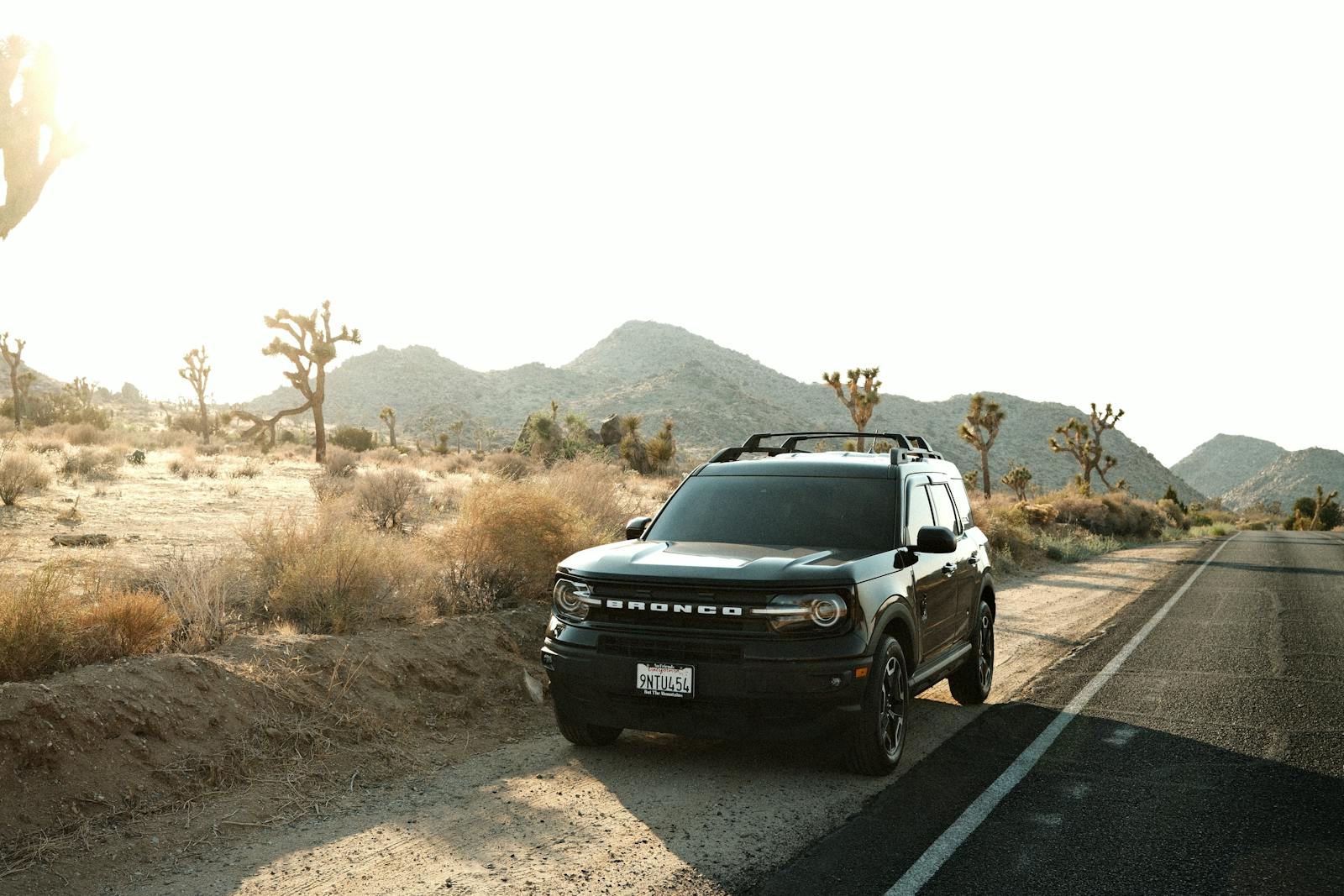
The 2021 Ford Bronco was launched with a starting price of around $29,995, aiming to attract budget-conscious buyers. However, due to high demand and limited availability, many consumers found themselves paying upwards of $50,000 for well-equipped models. This drastic price increase has left many fans of the off-road vehicle feeling disappointed and priced out.
2. 2020 Chevrolet Corvette Stingray
Chevrolet touted the 2020 Corvette Stingray as a sports car with a starting price of $59,995. However, the high demand for this mid-engine marvel nearly doubled the actual purchase price for many buyers, especially with added features and dealer markups. This has raised concerns among enthusiasts about the true accessibility of such a celebrated model.
3. 2021 Subaru Outback
With a base price of around $26,795, the 2021 Subaru Outback was positioned as an affordable family SUV. Yet, many buyers reported final prices near $40,000 when including popular upgrades and options. The Outback’s popularity has led to increased dealer markups, causing frustration among those hoping for a reasonably priced family vehicle.
4. 2020 Hyundai Veloster N
The 2020 Hyundai Veloster N was introduced with a starting MSRP of $27,595, appealing to budget-minded performance enthusiasts. However, due to its rave reviews and limited availability, many buyers faced prices that soared past $35,000. This has sparked debate about the true nature of affordability in the performance car segment.
5. 2021 Kia Seltos
The Kia Seltos was marketed as an affordable subcompact SUV starting at approximately $23,000. However, as its popularity grew, many consumers reported prices exceeding $30,000, particularly for higher trim levels. This discrepancy has prompted consumers to question whether they are getting the value they expected.
6. 2022 Toyota GR86
Launched with a base price of $28,000, the 2022 Toyota GR86 sought to attract sports car enthusiasts looking for an affordable ride. Unfortunately, market conditions have pushed prices up to $35,000 or more, with some dealers marking up their inventory significantly. This has caused disappointment among fans who hoped for an economically viable sports coupe.
7. 2021 Volkswagen ID.4
The 2021 Volkswagen ID.4 electric SUV was expected to start at $39,995, promising an affordable entry into the electric vehicle market. Yet, with the growing demand for EVs and limited stock, many buyers found themselves paying closer to $50,000. This situation raises concerns about the accessibility of electric vehicles in the current market.
8. 2022 Nissan Z
Marketed as an affordable sports car with a starting price of $39,990, the 2022 Nissan Z quickly became a hot commodity. Many enthusiasts reported paying above $50,000 due to dealer markups and high demand. The unexpected price surge has deterred potential buyers who were drawn in by the initial pricing.
9. 2021 Honda Civic
The 2021 Honda Civic was expected to maintain its reputation as an economical compact car with a base price of around $21,250. However, many models have sold for nearly $30,000, especially with popular features included. This price jump is indicative of the broader trends affecting all segments of the auto market.
10. 2022 Ford Maverick
The 2022 Ford Maverick was introduced as a compact truck with a starting price of $19,995, appealing to budget-conscious consumers. However, due to its impressive fuel economy and versatility, many buyers faced prices closer to $30,000 after adding options and experiencing dealer markups. This situation has sparked discussions about what constitutes a truly affordable vehicle.
Conclusion: The Impact of Rising Prices
The disconnect between marketing and reality in the automotive industry is affecting consumers who are increasingly squeezed by rising costs. With inflation and supply chain issues contributing to inflated prices, many potential buyers are left