

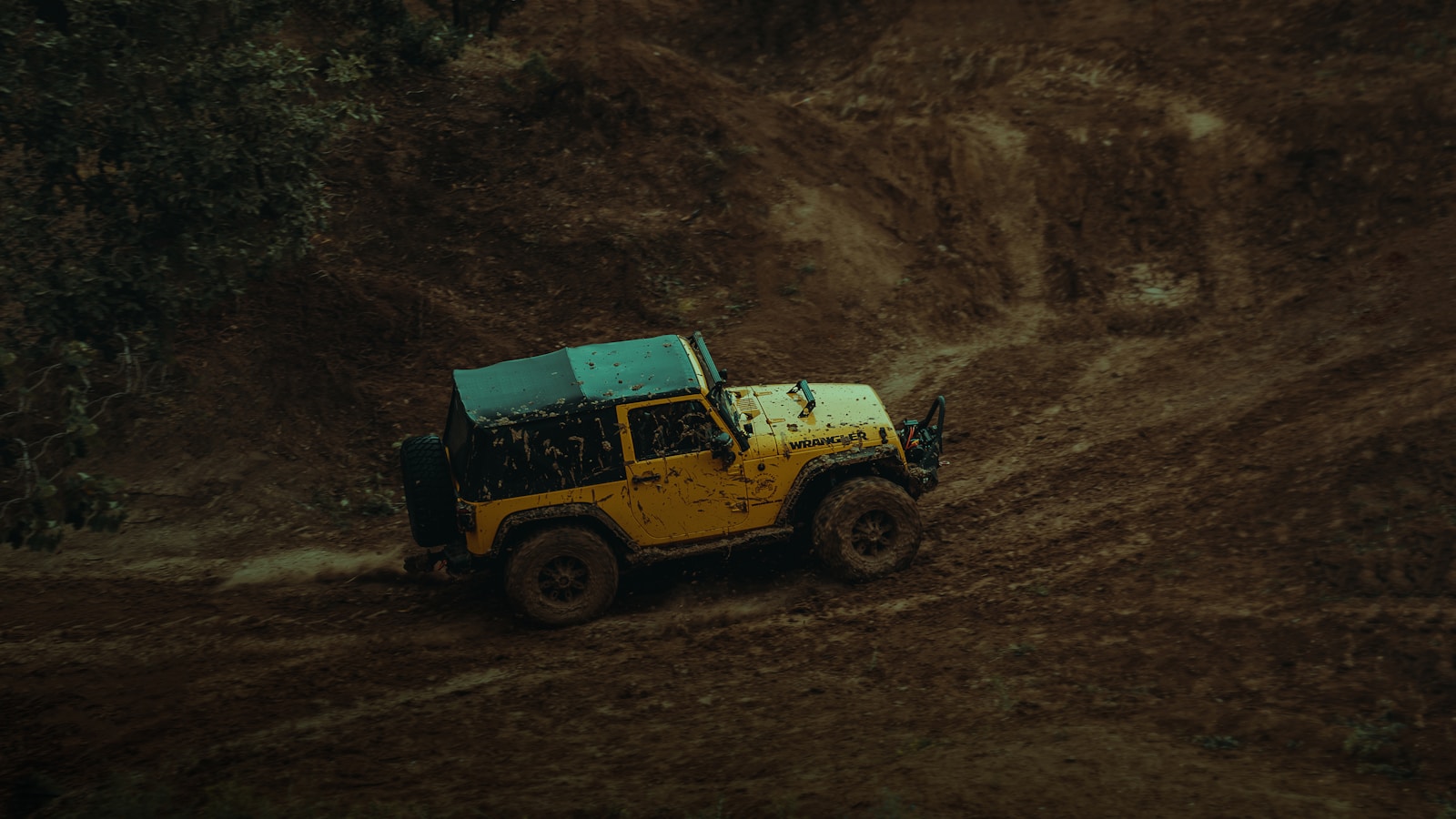
Off-roading is experiencing a dramatic resurgence, with sales of off-road vehicles increasing by over 30% in the past year, according to industry reports. This trend affects outdoor enthusiasts, families seeking adventure, and manufacturers who are capitalizing on this growing market. The uptick in popularity can be attributed to several factors, including a renewed interest in outdoor activities, the availability of advanced vehicles, and changing consumer preferences.
Growing Interest in Outdoor Activities
The COVID-19 pandemic reshaped many people’s lifestyles, leading to a greater appreciation for outdoor activities. Lockdowns and social distancing measures pushed individuals to seek solace in nature, making off-roading an appealing choice for adventure seekers. National parks and off-road trails saw significant increases in visitors, with the National Park Service reporting a 20% rise in attendance during 2021 compared to pre-pandemic levels.
This renewed interest in outdoor recreation has spurred a surge in demand for off-road vehicles. Families are looking for ways to explore the great outdoors safely, and off-roading provides an opportunity to bond while enjoying nature. Retailers have reported that vehicles designed for off-road capabilities, such as the 2022 Jeep Wrangler and the 2021 Toyota 4Runner, are flying off dealership lots.
Technological Advancements in Off-Road Vehicles
Modern off-road vehicles are equipped with cutting-edge technology that enhances performance and safety, making them more appealing to consumers. Features such as advanced traction control systems, adaptive suspension, and terrain management systems allow drivers to navigate challenging landscapes with confidence. For instance, the 2023 Ford Bronco offers a G.O.A.T. (Goes Over Any Terrain) mode that allows drivers to customize their vehicle’s performance based on the terrain.
These technological advancements have not only improved the driving experience but have also made off-roading more accessible to a broader audience. Previously, off-roading was often seen as a niche activity reserved for hardcore enthusiasts. Now, with user-friendly features, more individuals are willing to try their hand at off-road adventures.
Changing Consumer Preferences
As environmental consciousness grows, many consumers are shifting their focus to vehicles that offer versatility and functionality. Off-road vehicles are increasingly viewed as practical choices for both urban and rural environments. The ability to navigate through rough terrains, combined with everyday usability, appeals to a wide demographic.
Moreover, many manufacturers are responding to this shift by producing hybrid and electric off-road options. The 2024 Rivian R1T, an all-electric pickup truck designed for off-road performance, showcases how automakers are innovating to meet consumer demands. The combination of eco-friendliness and off-roading capability is attracting a new generation of buyers who want adventure without compromising their values.
Community and Social Media Influence
Social media platforms have played a significant role in the resurgence of off-roading popularity. Enthusiasts are sharing their experiences and adventures, leading to greater visibility for the sport. Platforms like Instagram and TikTok are flooded with videos and posts showcasing off-road adventures, inspiring others to join the movement.
This online community has fostered a sense of belonging among off-road enthusiasts, making the activity more enticing. Events like off-road meetups, trail clean-ups, and competitive racing are being promoted through social media, creating a vibrant community atmosphere that encourages participation.
Challenges Facing the Off-Roading Community
Despite the growing popularity, the off-roading community faces challenges, including environmental concerns and land access issues. Increased traffic on off-road trails can lead to erosion and habitat destruction, prompting calls for responsible recreation. Organizations are working to promote sustainable practices and ensure that trails remain accessible for future generations.
Furthermore, debates over land use are ongoing, with some areas facing restrictions due to environmental protections. Advocacy for open spaces is crucial to maintaining the balance between adventure and conservation, ensuring that off-roading can continue to flourish.
The Future of Off-Roading
The future of off-roading looks bright, with strong sales projections indicating that interest will continue to grow. As automakers innovate and consumers embrace the outdoors, the off-roading community is likely to expand further. The market for off-road vehicles is projected to reach $12 billion by 2025, driven by both new entrants and seasoned enthusiasts.
In summary, the combination of increased outdoor interest, technological advancements, changing consumer preferences, and a vibrant community is driving the resurgence of off-roading. As more individuals seek adventure and connection with nature, the appeal of off-roading is likely to remain strong.